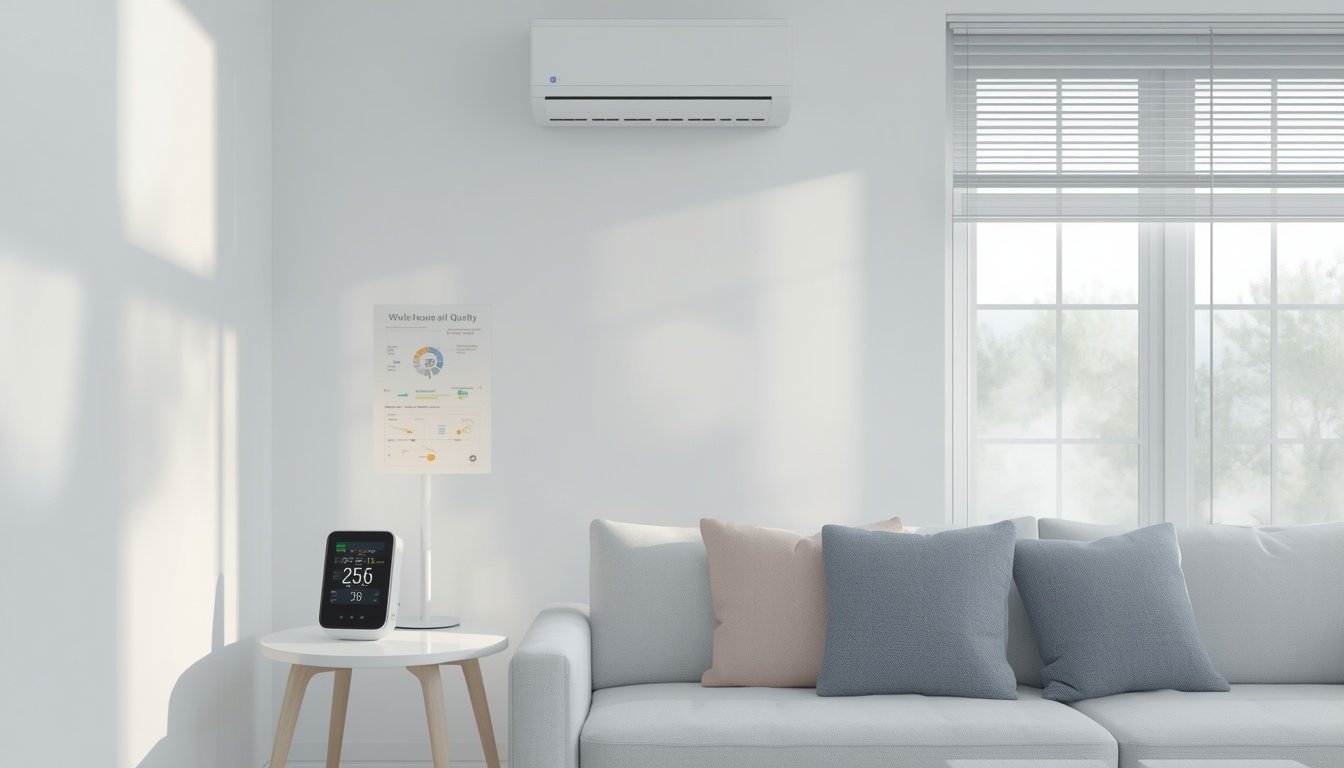
To protect your home’s air when wildfire smoke invades, seal your building and use a whole-home air filtration system immediately. This approach reduces smoke particles inside by filtering and limiting their entry. Most households can achieve significant indoor air quality improvements with the right equipment and routine maintenance.
How Wildfire Smoke Gets Inside
Wildfire smoke can infiltrate even tightly-sealed homes. Tiny smoke particles enter through small cracks around doors, windows, attics, crawlspaces, and vents. Central HVAC systems may draw in outdoor air, spreading smoke throughout the house if filtration is inadequate.
Open windows or doors—even briefly—can introduce a wave of contaminated air. Bathroom and kitchen exhaust fans that vent outdoors also depressurize the home, pulling in smoke from any gaps.
Older or poorly insulated houses are especially prone to intrusion. Weatherstripping, caulking, and door sweeps help reduce these leaks, but most homes are never completely airtight. High-efficiency HVAC filters or sealed filtration units become essential during smoke events, as they can capture the fine particulates that otherwise bypass basic filters.
Being aware of these intrusion points gives you a clear advantage in keeping indoor air as safe as possible when outdoor conditions worsen.
Key Steps for Whole-Home Air Quality Defense
- Upgrade HVAC filters to at least MERV 13 or higher.
- Seal leaks around doors, windows, and ducts.
- Keep windows and exterior doors shut during smoke events.
- Run your central fan or air handler continuously on “ON” or “CIRCULATE.”
- Have a whole-house air purifier or filtration system ready for sustained operation.
Using these steps together provides the strongest protection. High-grade filters capture fine smoke particulates, while sealing stops more from getting inside. Operating your system’s fan nonstop keeps air moving through the filter, lowering indoor particle concentration. It’s vital to make sure your home has a dedicated whole-house air purifier or filtration system capable of handling heavy smoke loads, especially if you live in a wildfire-prone area. Combine maintenance, preparation, and smart practices for the best indoor air outcomes.
Maintaining Healthy Air During Smoke Events
Change your HVAC filters more often during wildfire season—sometimes as frequently as every few days of heavy smoke exposure. Monitor your home’s air quality with a digital air sensor if possible. Avoid activities like burning candles, frying food, or vacuuming, which can add more particulates to the air already strained by outdoor smoke.
Limit indoor pollutant sources and keep up with routine cleaning to reduce dust and contaminants. If you notice lingering smells or haze, don’t ignore them—this likely signals filtration failure or air leakage. Replace or upgrade filters immediately, and check your system for gaps or broken seals.
After smoke levels subside, ventilate the house by briefly opening multiple windows to flush out trapped pollutants. Thorough maintenance and active monitoring let you quickly respond to new smoke threats, supporting ongoing whole-house air quality safety for your household.