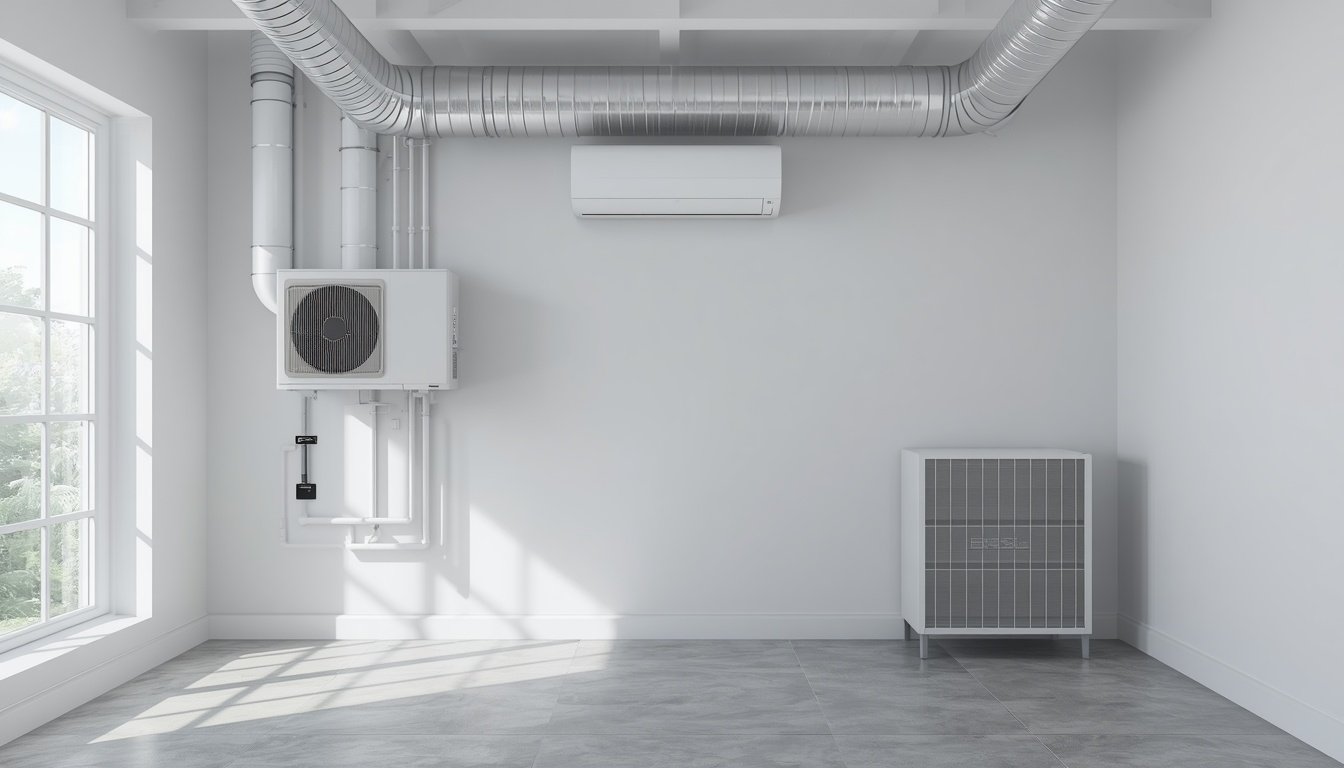
Indoor air quality is influenced by more than just humidity—factors like filtration, ventilation, and pollutant control are just as important. Managing these additional factors can drastically improve your comfort, health, and the overall performance of your climate control systems. When evaluated together, elements such as particulate filtration, CO2 balance, and volatile organic compounds (VOCs) removal become critical to achieving a truly healthy indoor environment. For those looking to optimize every aspect of their home’s atmosphere, integrated solutions like whole-house air quality systems provide comprehensive coverage far beyond basic humidification.
Understanding Indoor Pollutants
Humidity plays a role, but it’s only one piece of the indoor air quality puzzle. Pollutants like particulates, chemical vapors, and microbes pose significant risks. Everyday activities—cooking, cleaning, or even just breathing—contribute to pollutant buildup indoors.
Dust and allergens often come from outside but can accumulate in carpets, upholstery, and air ducts. Building materials and household products release VOCs, which may cause headaches, respiratory issues, or long-term health problems. Even items labeled as low-emission release some level of chemicals over time.
Microbial growth, including mold and bacteria, thrives in poorly ventilated spaces. Pet dander and pollen also circulate, sticking to surfaces and lingering in the air. Over time, these can degrade air quality and trigger allergies or asthma symptoms.
While humidity can foster some microbial growth, many pollutants are unrelated to moisture. Addressing pollutants requires targeted solutions. Advanced filtration, effective ventilation, and careful material choices all contribute to a healthier home. Understanding the sources and behavior of indoor pollutants is the foundation for creating a safer, more comfortable living environment.
The Role of Filtration in Air Quality
Filtration is a cornerstone of any effective air quality strategy. High-efficiency filters trap dust, pollen, mold spores, and microscopic particles that escape basic HVAC filters. Some whole-home filters are capable of capturing smoke and even bacteria, depending on their Minimum Efficiency Reporting Value (MERV) rating.
The right filtration system makes a substantial difference in comfort, especially for people with allergies, asthma, or other sensitivities. Poor filtration allows particles to recirculate, settling on surfaces and triggering symptoms. Upgrading your system provides tangible benefits—cleaner surfaces, fewer odors, and reduced wear on HVAC equipment.
However, not all filters are created equal. Some may restrict airflow if not matched correctly with the HVAC system. Others fail to capture ultra-fine particles or allow bypass around the filter frame. Professional installation and regular maintenance are crucial to getting optimal results from filtration upgrades.
Ultimately, advanced filtration doesn’t replace ventilation or other forms of air quality management but should complement them. By incorporating effective filtration, you capture the solid and airborne irritants that humidity control alone cannot address, leading to a more comprehensive indoor air strategy.
Why Ventilation Is Essential
Ventilation brings fresh air in and pushes stale air out—a key process for controlling CO2 and diluting pollutants. Modern homes, designed for energy efficiency, are often tightly sealed. While this design conserves energy, it can trap pollutants inside.
Mechanical ventilation systems like energy recovery ventilators (ERVs) or heat recovery ventilators (HRVs) help solve this issue. They replace indoor air with outdoor air, often while regulating temperature and humidity to maintain comfort. Regular air exchange prevents the buildup of CO2, VOCs, and other contaminants, supporting better cognitive function and overall well-being.
Natural ventilation, such as opening windows, can help but is inconsistent and weather-dependent. In urban areas or during allergy seasons, outdoor air quality may be poor, making filtered mechanical ventilation a safer option. Effective ventilation systems balance fresh air intake and pollutant removal while minimizing energy loss.
A well-configured ventilation strategy addresses sources of indoor pollution and supports optimal humidity control. It works in tandem with filtration, helping you achieve a healthy, balanced indoor environment year-round, regardless of outdoor conditions or seasonal changes.
Key Components of Comprehensive Air Quality
- High-efficiency particulate air (HEPA) or advanced MERV-rated filters
- Dedicated mechanical ventilation systems
- Active pollutant and contaminant monitoring technology
These components form the backbone of a truly comprehensive approach to indoor air quality. High-efficiency filters remove particulate matter—including allergens and pathogens—down to sub-micron sizes. Mechanical ventilation functions ensure fresh air enters your home consistently, providing relief from pollutants that build up in tightly sealed homes. Monitoring technology, such as sensors for VOCs, CO2, and particulates, offers real-time feedback on air quality and system performance.
When combined, these elements enable proactive management, rather than reactive fixes. Homeowners can identify problem areas, adjust systems as needed, and prevent air quality from degrading. Such integration provides peace of mind as conditions change—whether due to outdoor wildfires, pollen spikes, or increased indoor activity. Employing all these components together creates an indoor environment that supports health, comfort, and productivity.
The Impact of Air Quality on Comfort and Health
Clean indoor air goes far beyond preventing allergies—it shapes day-to-day comfort and long-term well-being. Poor air quality can cause headaches, fatigue, dry eyes, and respiratory problems. Over time, exposure to pollutants like VOCs and particulates increases risks of chronic illness.
Properly managed air quality fosters better sleep, clearer thinking, and increased energy. People report fewer asthma attacks and allergy flare-ups when pollutants are reduced. Even those not prone to allergies often notice improved focus and reduced irritability in well-ventilated, well-filtered spaces.
Humidity management remains important—both overly dry and overly humid air can hinder comfort and trigger health issues. However, the removal of chemical, biological, and physical contaminants is the cornerstone of a safe, nurturing environment. As more homeowners recognize the connection between air quality and general wellness, investing in advanced systems becomes increasingly common.
From productivity gains to long-term health protection, air quality improvements deliver concrete, measurable results. Choosing systems that address all major pollutant types ensures your family breathes easier day and night—and that your home is a genuine haven from outdoor hazards.
Best Practices for Maintaining Air Quality
- Schedule regular filter and system maintenance
- Monitor indoor air quality with sensors
- Limit introduction of new pollutants
Ongoing maintenance is non-negotiable. Filters should be inspected and replaced according to the manufacturer’s recommendations, and ventilation equipment checked for proper airflow. Monitoring devices provide actionable insights by alerting you to rising pollutant levels, enabling quick corrective action. Limiting new pollutant sources is also crucial—opt for low-VOC paints, sealants, and furniture; avoid smoking indoors; and minimize the use of harsh chemical cleaners.
Implementing these best practices maximizes the performance and lifespan of your air quality systems. Homeowners who make small, consistent efforts enjoy cleaner air and greater peace of mind. Even simple habits, like ventilating after activities that generate moisture or fumes, make a noticeable difference. By combining regular upkeep, smart monitoring, and thoughtful purchasing decisions, you ensure that your home’s air remains fresh, healthy, and comfortable season after season.