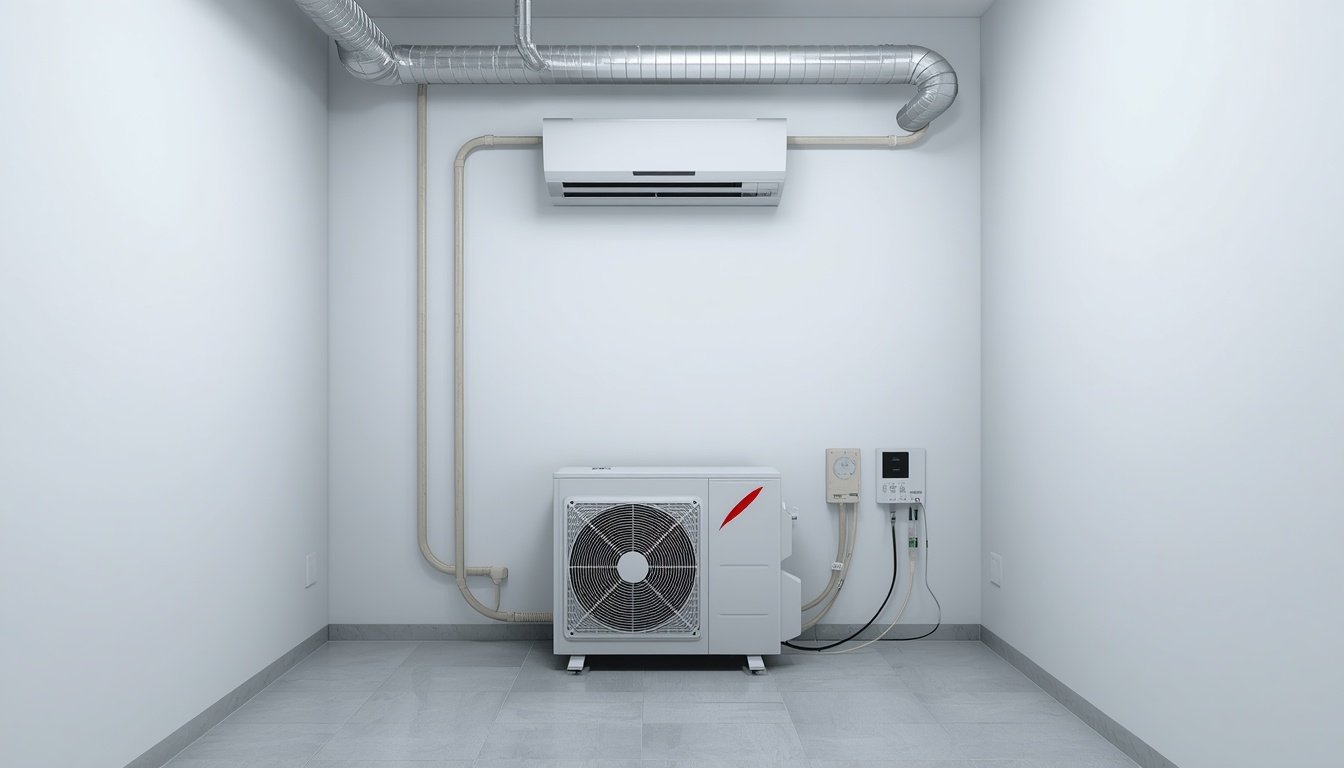
MERV ratings measure the effectiveness of air filters in trapping airborne particles. For whole-home climate control systems, a filter’s MERV rating indicates how well it captures dust, allergens, and other contaminants from the circulating air. Higher MERV numbers generally reflect greater filtration performance, but not all systems are compatible with the highest ratings due to airflow requirements.
How It Works
MERV stands for Minimum Efficiency Reporting Value. This rating system, ranging from 1 (lowest) to 16 (highest for residential filters), reflects a filter’s ability to capture particles of various sizes. Laboratories test filters with defined particle size ranges, assigning a score based on how much dust, pollen, mold, or pet dander the filter removes from the air passing through.
As air moves through your climate control system, the installed filter acts as a barrier. Filters with higher MERV ratings can trap finer particles. However, increased filtering capability can also restrict airflow, making them unsuitable for some existing HVAC setups. It’s important to match the MERV rating to your system’s specifications for effective and safe operation.
What It Can Do
Using the right MERV-rated filter in a whole-home system can improve indoor air quality in specific, measurable ways. Properly matched filters capture contaminants more efficiently than lower-rated options, which has several practical benefits. Understanding the capabilities of MERV-rated filters helps set appropriate expectations.
- Trap and remove common airborne particles such as dust, pollen, and pet dander
- Reduce the spread of larger bacteria, mold spores, and some fine particles (at moderate-high MERV ratings)
- Support allergy and asthma management by lowering indoor particle concentrations
- Enhance system longevity by preventing dust buildup on climate system components
These results depend on filter maintenance and system compatibility. For most homes, MERV ratings in the 8–13 range work effectively to intercept many troublesome particles without placing stress on the HVAC blower. High-MERV filters are especially valuable in households concerned with allergen reduction or those in areas with poor outdoor air quality.
Limitations and What It Cannot Do
While higher MERV ratings can indicate better filtration, there are several important limitations to consider. Not all HVAC systems are designed for high-MERV filters, as excessive airflow restriction can cause mechanical strain, inefficiency, or system failure. Filters with MERV ratings above 13 can negatively impact many standard residential systems unless specifically engineered for such use.
MERV ratings do not measure removal of odors or volatile chemicals, nor do they guarantee elimination of particles below 0.3 micrometers, like viruses or some types of smoke. Regular filter changes are necessary to maintain effectiveness, as loaded or clogged filters quickly lose their performance benefits. Some contaminants, such as gases and certain VOCs, require additional filtration technologies not addressed by MERV-rated filters.
Relying solely on the MERV rating without considering your climate system’s airflow requirements or the specific needs of your space may lead to disappointment with real-world results. Consult your HVAC documentation or a professional before upgrading to a higher-MERV filter, particularly if considering options above MERV 13.
When It Works Best
MERV-rated filters are most beneficial in homes seeking general improvement of airborne particle removal. They work best when matched to compatible climate systems and are regularly maintained. Households with allergies, pets, or high dust levels will usually notice the most improvement by choosing a filter in the mid to high MERV range, provided the HVAC system can handle it.
Using a MERV-rated filter as part of a whole-house filtration system is particularly effective after renovations, during allergy seasons, or in areas where outdoor air quality is often poor. Always confirm the maximum MERV rating recommended for your equipment to avoid unintended performance issues. For more information about choosing appropriate equipment, visit our whole-house filtration system page.
Common Misconceptions
A higher MERV rating does not mean universal suitability or maximum air quality by default. Not all systems can support the highest MERV filters safely. MERV ratings do not address odors, gases, or chemical pollutants. Filter maintenance is just as important as initial selection—clogged filters underperform regardless of their MERV number.
Final Answer Summary
MERV ratings provide a standardized way to compare how effectively whole-home filters trap particulate matter. Higher ratings mean greater particle removal, but system compatibility and maintenance are essential for reliable results. Always align the MERV rating with both your air quality goals and your HVAC system’s capabilities to ensure optimal performance.