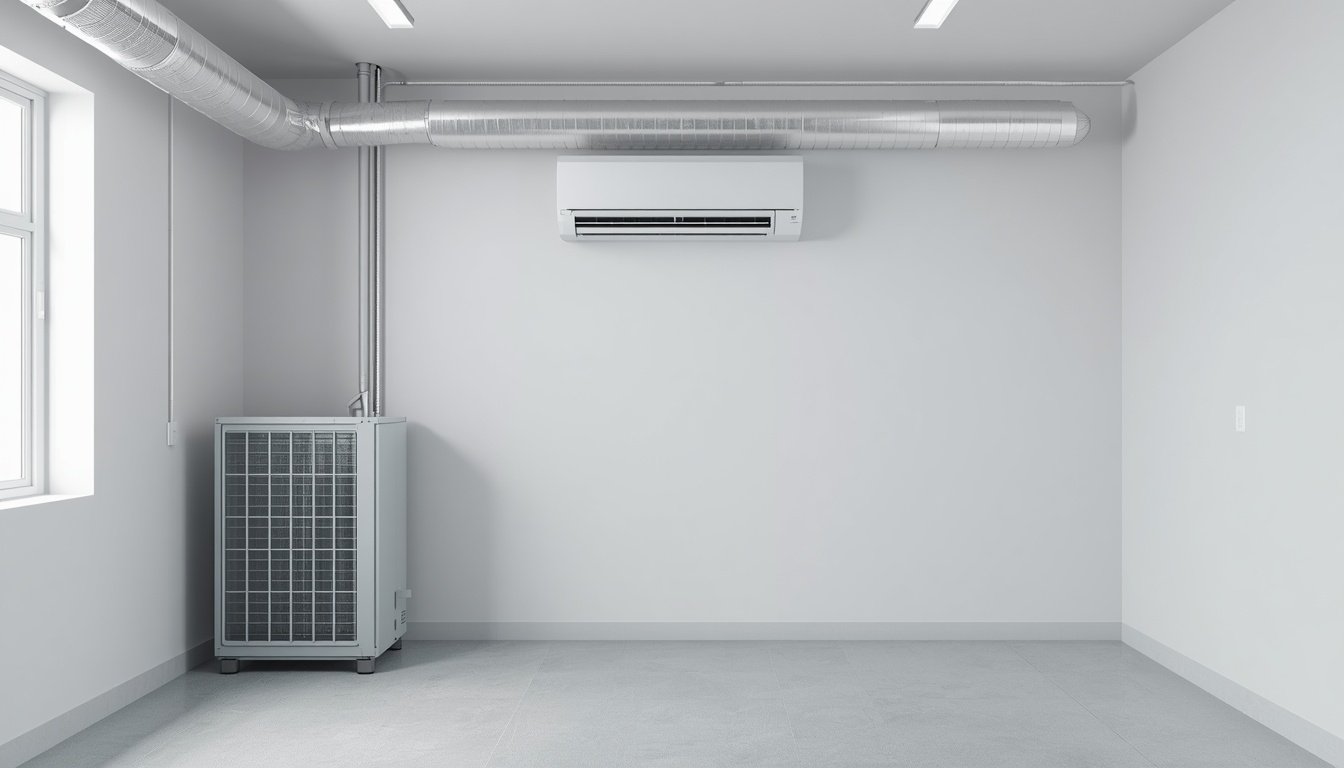
Seasonal HVAC maintenance is essential for ensuring reliable indoor comfort and lower energy costs throughout the year. By following a routine checklist, you can extend the lifespan of your climate control systems, prevent costly breakdowns, and maintain air quality in your home. Regular care also makes troubleshooting much easier—if you’re unsure where to start, check out this HVAC maintenance and troubleshooting resource for step-by-step guidance.
Inspect and Replace Filters
Your HVAC system’s air filters are the front line of defense against dust, pet dander, pollen, and other allergens. They should be checked at least every three months—more often in homes with high traffic or pets. Replacing clogged or dirty filters is crucial not just for air quality but for system efficiency.
Neglecting this step means your HVAC unit has to work harder to circulate air, which increases wear, energy use, and bills. In heating and cooling seasons, monthly checks are a smart habit. Hold filters up to the light: if you can’t see through them, it’s time for replacement. Make sure you use the correct filter size and type for your specific unit.
Some homes require pleated, HEPA, or reusable filters. Always consult your owner’s manual before making replacements. Clean reusable filters thoroughly and let them dry before reinserting. Routine filter changes make your system last longer and help maintain healthy air for your household. Establish this as the first priority in any seasonal maintenance plan.
Check Thermostat Settings and Controls
The thermostat plays a vital role in how well your HVAC system maintains comfort and conserves energy. Each season, verify that all settings are correct and responsive. Switch between heating and cooling modes to confirm the system activates properly. Set temperatures several degrees above or below current room temperature to force the system on and off—this checks accuracy.
If you have a programmable thermostat, review schedules and update for seasonal habit changes. Replace batteries in non-wired models at least once a year. Inspect for visible dust or damage around the unit. Sometimes, calibration drifts over years, making units read temperatures incorrectly. If your home feels less comfortable or the system cycles unusually, calibration could be the issue.
Smart thermostats may require periodic software updates, so check for notifications or firmware updates if applicable. Ensuring your thermostat is working correctly stops the unit from running too long or frequently short-cycling, both of which strain the system. Accurate controls help decrease costs and keep your indoor climate steady all season long.
Examine Outdoor Units and Components
- Remove debris from around condensers and heat pumps
- Inspect coils for dirt and damage
- Check refrigerant lines for proper insulation
If you have a central air conditioner or heat pump, outdoor units are exposed to the elements year-round. Leaves, grass clippings, and other debris can collect around the unit, restricting airflow and reducing system efficiency. Always keep a clear two-foot radius around outdoor components for ventilation. Dirty coils can force the compressor to work harder, risking expensive failures—gently brush away dirt or use a hose to rinse (with power off first).
Damage or missing insulation on refrigerant lines leads to energy loss and frozen coils. Inspect insulation sleeves frequently and replace them as needed. Check for bent fins on the coil with a fin comb or small brush to restore proper airflow. These quick actions can prevent typical issues like overheating, low cooling output, and costly repairs. Outdoor unit maintenance ensures your HVAC system delivers best performance, even in harsh weather conditions.
Inspect Ductwork and Airflow
Efficient airflow is fundamental to effective climate control. Over time, ductwork can develop leaks, gaps, or even become blocked with dust. Walking the length of your exposed ducts each season helps catch small problems before they lead to higher energy bills or uneven room temperatures.
Look for disconnected or sagging duct sections, and listen for whistling or other unusual noises when the system is running. Use your hand to feel for air escaping at joints or seams—if you notice leaks, apply HVAC foil tape to seal them. Dirty or blocked vents decrease air movement, so remove vent covers to check for blockages and clean with a vacuum brush.
Addressing leaks and blockages takes minimal effort with big returns. You’ll have more consistent temperatures throughout your house and reduce allergy triggers from accumulated dust. Professional duct cleaning may be warranted if you see excessive build-up, but a simple vacuuming goes a long way for most homes. Performing these checks each season keeps your system running at peak efficiency and comfort.
Test System Operation and Safety Features
- Test system startup and shutdown responses
- Check safety switches and emergency shutoffs
- Listen for unusual noises or vibrations
Seasonal system checks go beyond visual inspections. It’s essential to run the furnace, air conditioner, or heat pump through a complete on-off cycle. Watch for slow starts, hesitations, or repeated cycling. Engage emergency switches to be sure they turn the unit off instantly—functioning safety controls are critical in emergencies.
Unusual noises—rattling, booming, or grinding—can signal internal problems, from worn bearings to loose components. Early detection is key to avoiding system failures. Don’t forget to check carbon monoxide detectors and smoke alarms near HVAC equipment, as these systems safeguard your family against dangerous malfunctions. Record any irregularities and contact a licensed HVAC professional for anything beyond simple DIY fixes. Regular testing ensures your system operates safely and reliably, giving you confidence during extreme weather or peak heating and cooling days.
Schedule Professional Maintenance and Plan Ahead
While basic tasks are manageable on your own, scheduling professional HVAC service once or twice a year provides deeper inspection and tune-ups. Certified technicians can test for refrigerant leaks, inspect electrical components, and lubricate moving parts that homeowners often miss. Spring and fall are the best times to schedule these appointments—before the main cooling or heating season starts.
Plan ahead by keeping records of your maintenance activities, filter changes, and service visits. This creates a maintenance history, making future diagnosis and warranty claims much easier. Ask your HVAC professional for any system-specific advice or updates to your checklist. Upgrading your system with new technology or enhanced filtration may also be recommended as your needs change.
Sticking to your seasonal maintenance checklist lowers the risk of sudden breakdowns, maximizes efficiency, and improves indoor air quality. Thoughtful planning and regular care keep your HVAC system strong year after year, saving money and keeping your home comfortable in every season.