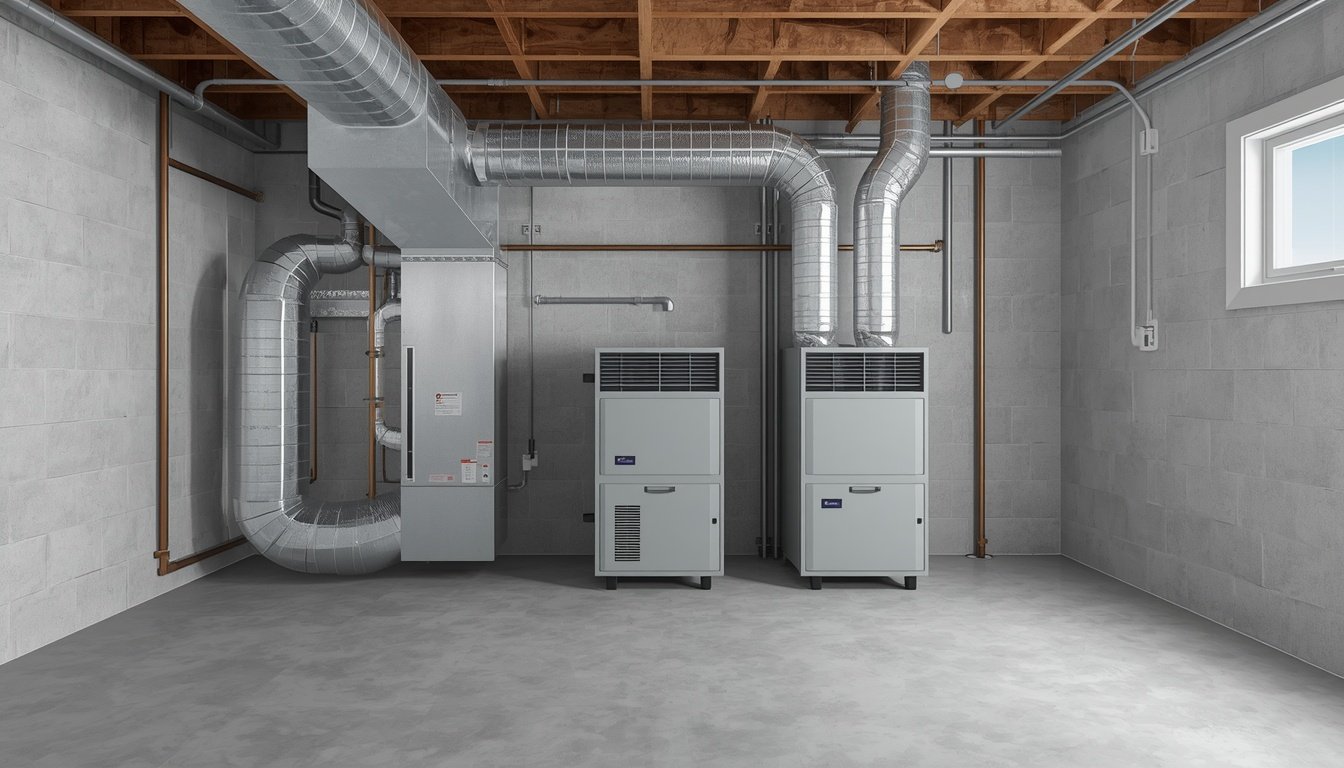
Maintaining a whole-house dehumidifier is simple: regularly change or clean the air filter, empty and clean the water reservoir or drain, and inspect for dust or debris on the unit’s coils. These steps stop mold growth, prevent bad odors, and ensure your system works efficiently. To avoid breakdowns and expensive repairs, focus your attention on the filters, drains, and coil surfaces first.
Routine Cleaning and Filter Maintenance
Start by checking the air filter at least once every month. A clogged or dirty filter can restrict airflow, causing the dehumidifier to work harder and consume more energy. Replace disposable filters or wash reusable ones as needed. Always let washed filters dry completely before reinserting them.
Dust and dirt can also build up on the exterior and around the air intake. Use a soft, dry cloth or the brush attachment of a vacuum cleaner to wipe down surfaces. Pay close attention to areas where airflow enters and exits the device.
If your model includes a pre-filter, clean it according to your manufacturer’s instructions. Regular filter care not only keeps the air clean but also maximizes system life. Addressing filters and surfaces every few weeks keeps your unit running as designed, minimizing strain on internal parts and helping prevent moisture-related problems throughout your home.
Water Management and Drainage Care
Most whole-house dehumidifiers use either a collection reservoir or a continuous drain hose. If you have a reservoir, check it every few days when your system is running, especially during humid seasons. Empty the tank before it gets full and wipe it down with mild soap to prevent bacteria or mold from growing.
For units equipped with a drain hose, inspect the hose for kinks, clogs, or leaks. Remove blockages and flush the hose with clean water if needed. This ensures water exits properly instead of spilling onto floors or into the unit itself. Also, confirm that the drainage setup slopes away from the dehumidifier to allow gravity to move water efficiently.
Don’t forget to examine the drain pan (if present) under the coils. Clean away mineral deposits or mold at least once per season. Proactive attention to drainage keeps your dehumidifier operating safely and reliably, especially in high-use periods.
Coil Inspection, System Checks, and When to Call a Pro
- Visually inspect the evaporator and condenser coils for dust, debris, or frost monthly.
- Listen for unusual noises or rattling during operation.
- Check digital displays or settings for error codes or warnings.
- Test the humidity sensor by comparing its reading to a separate room hygrometer.
If you notice significant dust or frost on the coils, turn off the system and let it defrost before gently cleaning the area. Persistent noises or error codes may indicate a part that’s worn or has failed. While surface cleaning is easy for most homeowners, deeper system issues like refrigerant leaks, electrical problems, or faulty sensors should always be handled by a licensed HVAC technician. Proactive checks keep your system running smoothly and help reveal small problems before they become costlier breakdowns. If you’re searching for upgrades or replacements, reviewing a trusted resource like the best whole-house dehumidifier can guide smart decisions for future comfort.