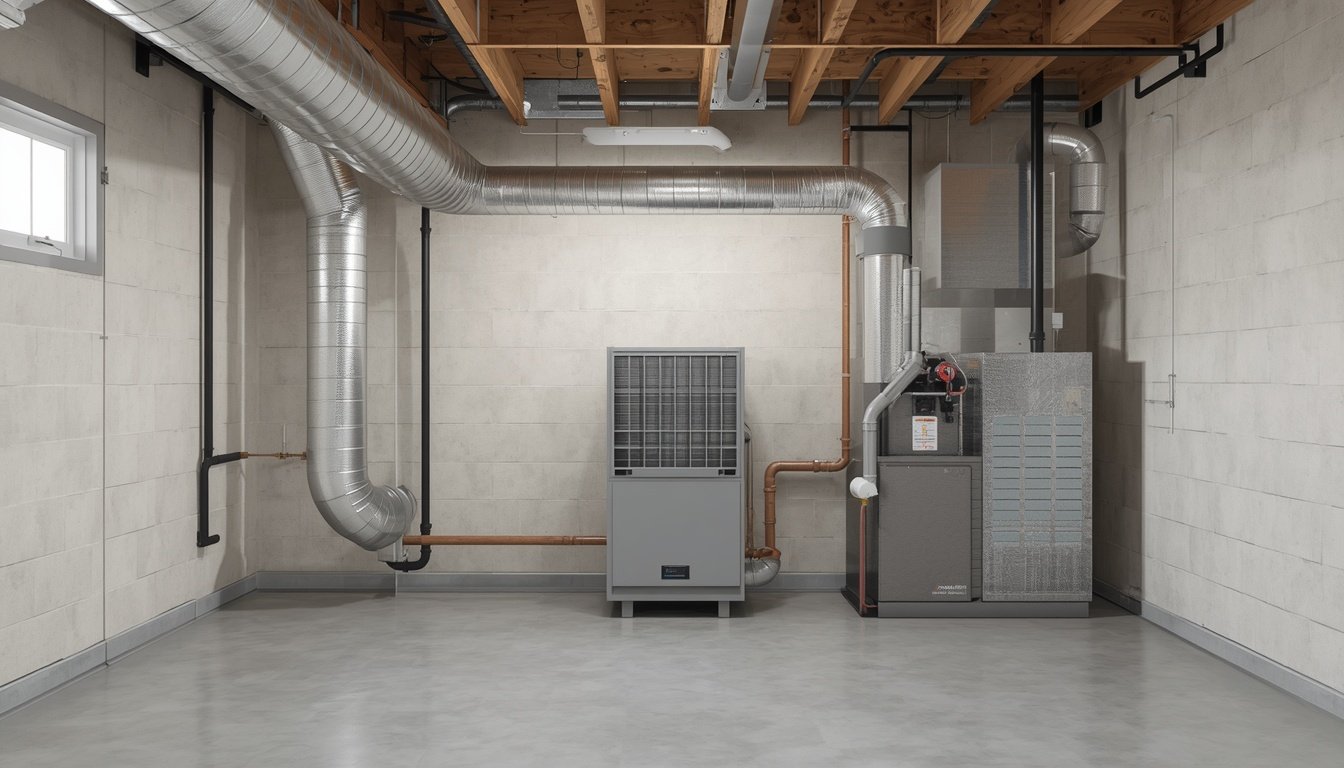
An HRV, or heat recovery ventilator, is a system that removes stale indoor air and replaces it with fresh outside air while recovering heat from the outgoing air. In simple terms, it provides efficient ventilation without wasting the warmth inside your home. This makes HRVs especially valuable in well-sealed, energy-efficient homes where natural air leaks are minimized and indoor air quality can quickly suffer.
How HRVs Improve Indoor Air Quality
HRVs play a crucial role in maintaining healthy air inside your home by continuously exchanging stale indoor air with fresh air from outside. This exchange helps reduce the buildup of moisture, odors, and indoor pollutants like VOCs, allergens, and dust. The system pulls stale air from areas such as bathrooms, kitchens, and laundry rooms—the spaces most likely to generate humidity and contaminants.
At the same time, HRVs supply fresh, filtered air to main living spaces. This not only improves overall air freshness, but also helps control humidity levels. Lowering excess moisture is important because it reduces the chance of mold growth and other problems caused by dampness. With a properly sized and well-maintained HRV, you can expect consistent air renewal without the energy loss you’d have with traditional ventilation methods like open windows.
In tightly built homes, the lack of natural ventilation can lead to lingering smells and ongoing discomfort. An HRV directly solves this by mechanically ensuring a regular flow of clean, tempered air indoors.
Heat Recovery Function: Saving Energy While Ventilating
Unlike simple exhaust fans, HRVs recover much of the heat from outgoing air before it leaves your home. As the two airstreams pass through the unit’s heat exchanger, warm air from inside transfers most of its heat to the cooler outdoor air coming in. This pre-heats the incoming ventilation air without mixing the two streams, so energy efficiency is maintained.
This recovered heat can account for up to 70–90% of the warmth that would otherwise be lost during ventilation in colder climates. The result is fresh air circulation without the usual spike in heating costs. During winter, you get the benefit of improved air quality as well as lower energy bills.
For homeowners concerned about comfort and operational savings, an HRV is a practical solution. Many modern models feature controls to adjust ventilation rates for different conditions, helping you balance comfort and energy use even when temperatures drop. If you live in a region with very cold winters, you may wish to check the best HRV for cold climates to ensure efficient performance.
HRV System Benefits and Key Considerations
- Creates a consistent supply of filtered, fresh air for healthier indoor living
- Reduces moisture and odor buildup, lowering mold risk
- Minimizes heating losses by transferring heat from outgoing to incoming air
- Offers easy integration with existing duct systems in most homes
- Improves comfort and may increase property value in energy-efficient buildings
HRVs are ideal for modern homes that are tightly sealed to boost efficiency but suffer from a lack of air exchange. They not only help ventilate your home but also maintain a steady, comfortable indoor climate all year round. When planning an HRV installation, assess the home’s size and existing ductwork to ensure maximum benefit and energy performance. Regular maintenance, such as filter changes and vent cleaning, is also key to keeping the HRV operating effectively. By considering these benefits and factors, you can ensure your investment leads to improved air quality, comfort, and long-lasting value.