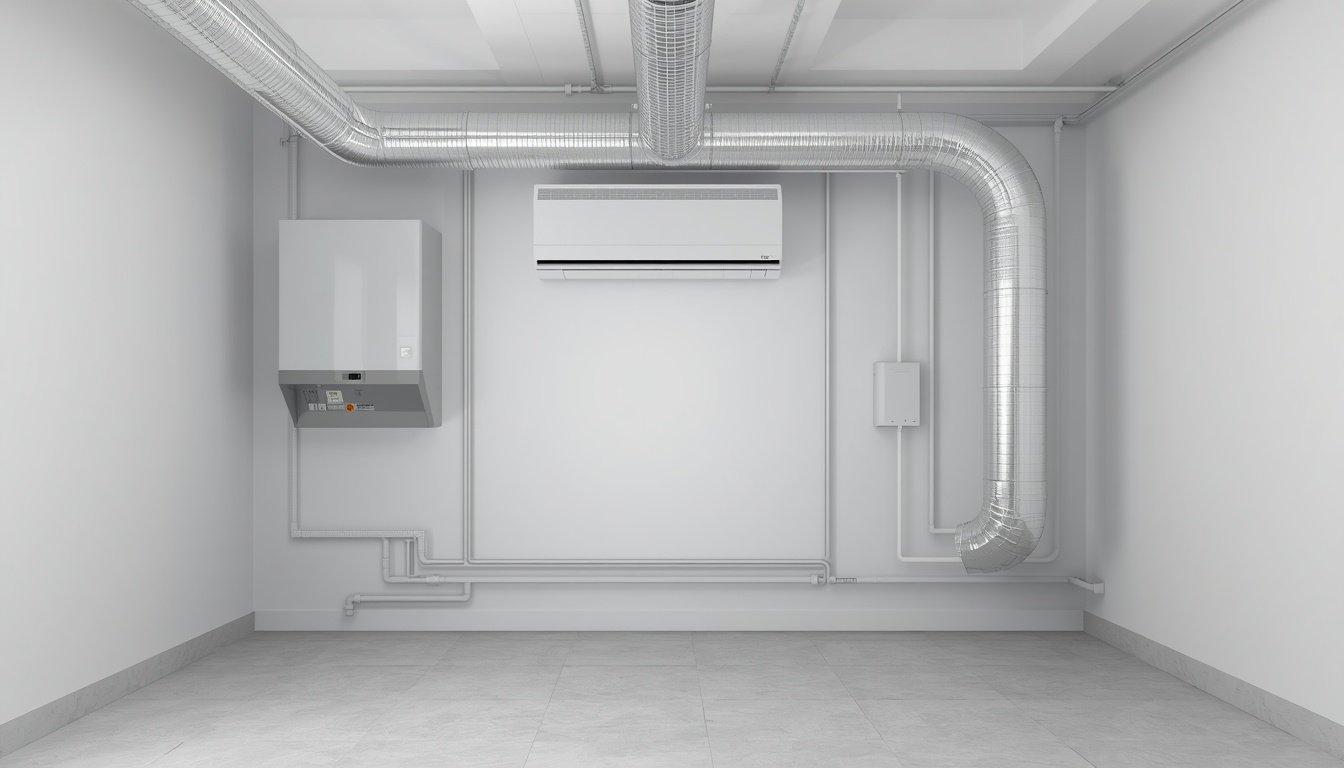
Not every home requires mechanical ventilation, but many benefit from it, especially newer or tightly sealed buildings. If a home is naturally drafty, outside air may already enter through cracks and gaps, reducing the need for extra ventilation. However, for most newer or renovated homes—or any dwelling with a tight exterior envelope—mechanical systems often become necessary to maintain healthy indoor air and control moisture. Understanding why can help you decide if a system is right for your situation. If you’re considering comprehensive options, our guide to whole-house ventilation systems offers an in-depth starting point for whole-home solutions.
Why Ventilation Matters for Modern Homes
Many homes built in recent decades are designed to be energy-efficient, which means they’re much tighter and better insulated than older structures. While this helps keep heating and cooling costs down, it also means less natural air exchange between the indoors and outdoors. That’s where problems can develop. Without adequate ventilation, moisture becomes trapped, and air quality can decline.
Indoor pollutants—from cooking, cleaning products, and off-gassing from furniture or building materials—accumulate without somewhere to go. Over time, this can lead to musty odors, condensation on windows, and even mold growth. Poor indoor air quality increases the risk of respiratory issues and can exacerbate allergies and asthma.
Mechanical ventilation addresses these issues by exchanging stale indoor air for fresh outdoor air, either continuously or at scheduled intervals. In homes where opening a window isn’t practical because of weather, noise, or pollution concerns, a mechanical system ensures that fresh air is still supplied consistently. This is especially useful in well-insulated, modern homes that retain heat or cool air efficiently but need help maintaining healthy air inside.
Signs Your Home May Need Mechanical Ventilation
It isn’t always obvious when a home is in need of more ventilation. Some symptoms and indicators can provide important clues. For example, persistent condensation on window panes, lingering cooking smells, or stale air can indicate a lack of air exchange. High humidity without clear sources (like a leak) also points to insufficient ventilation.
Residents may start experiencing health issues such as headaches, dizziness, or respiratory irritation that seem to improve after spending time outside the home. This is sometimes referred to as “sick building syndrome.” In particular, newer homes or those with recent upgrades to insulation and windows are most likely to suffer these effects. Tighter homes trap not only heat and cold but also dust, volatile organic compounds (VOCs), and carbon dioxide.
If you notice mold growth, excess dust accumulation, or air that smells stale regardless of cleaning efforts, these could all be signs to consider adding a mechanical ventilation system. Ensuring regular air exchange is crucial, especially in households with children, elderly residents, or anyone with allergies or asthma. In these cases, mechanical ventilation moves from being a luxury or convenience to an actual necessity for occupant health and comfort.
Types of Mechanical Ventilation Systems
- Exhaust-only systems
- Supply-only systems
- Balanced systems (including HRVs and ERVs)
Exhaust-only systems rely on fans, often located in bathrooms or kitchens, to remove air from the home and allow fresh air to enter through intentional vents or leaks. These are usually simple and affordable but can sometimes draw pollutants into the house from unconditioned spaces.
Supply-only systems use fans to bring in fresh air from outside, forcing stale air out naturally through cracks or dedicated vents. While this helps control where the air comes from, it does not remove indoor air as efficiently as exhaust systems might.
Balanced systems—like heat recovery ventilators (HRVs) and energy recovery ventilators (ERVs)—bring in and exhaust equal amounts of air, often passing both streams through a core that captures some heat or moisture. This helps homes stay energy efficient while still getting good air exchange. Each type has its strengths, and the choice depends on your goals, local climate, and how airtight your home is.
Benefits of Installing Mechanical Ventilation
- Improved indoor air quality
- Better moisture control
- Enhanced comfort and energy efficiency
Mechanical ventilation systems play a vital role in improving indoor air quality by constantly exchanging stale indoor air with fresh, filtered outside air. This minimizes the buildup of pollutants, allergens, and odors. Another critical benefit is moisture control. Properly ventilated homes experience fewer issues with condensation and mold, which protects both the building and its occupants.
Comfort often improves because the air inside feels fresher and less stuffy. Balanced systems, in particular, can help homes maintain energy efficiency by recovering heat (or coolness) from outgoing air, reducing the load on heating and cooling equipment. Over time, these systems can even help lower energy costs because they prevent the uncontrolled airflow that can sap conditioned air from the home. For people who value both comfort and indoor environmental quality, mechanical ventilation offers a practical and efficient solution.
Are There Homes That Don’t Need It?
Some homes may not need mechanical ventilation, particularly older buildings with naturally leaky envelopes or those in mild climates where windows can be comfortably opened much of the year. In these homes, air is often exchanged through older construction methods, such as unsealed attics, crawl spaces, or simple wall gaps. This natural ventilation is usually enough to remove excess moisture and bring in some measure of outdoor air.
However, even drafty homes can have pockets of stale air, especially if the floor plan is complex or rooms are sealed off. In hot, humid, or polluted urban areas, opening windows isn’t always a viable option because it could bring in pollen, smoke, or contaminants. Additionally, as insulation is upgraded and windows are replaced, air exchange decreases, and issues with indoor air quality can arise where they didn’t exist before. For homes on the borderline, a portable system or room-specific fan can be a middle ground before committing to whole-home mechanical ventilation. Ultimately, assessing your specific indoor air quality challenges, climate, and lifestyle will determine if a mechanical system is a wise investment.
Getting Started With Ventilation Upgrades
If you’re considering mechanical ventilation for your home, start by identifying areas where air quality feels poor or moisture builds up. An energy audit or home performance assessment can help you understand how airtight your home is and where improvements could be made. Professionals can test for indoor pollutants, measure humidity, and use tools like blower doors to pinpoint how much air leaks in or out naturally.
Once you know your home’s needs, you can consult with HVAC or indoor air quality experts about the best type of system—whether it’s exhaust-only, supply-only, or a balanced option like an HRV or ERV. They’ll also help ensure that any new system integrates smoothly with your current heating and cooling setup. Keep in mind that regular filter changes and periodic maintenance are necessary for every system type. By taking a proactive approach, you’ll create a healthier, more comfortable indoor environment and protect your home from the long-term effects of poor air quality.