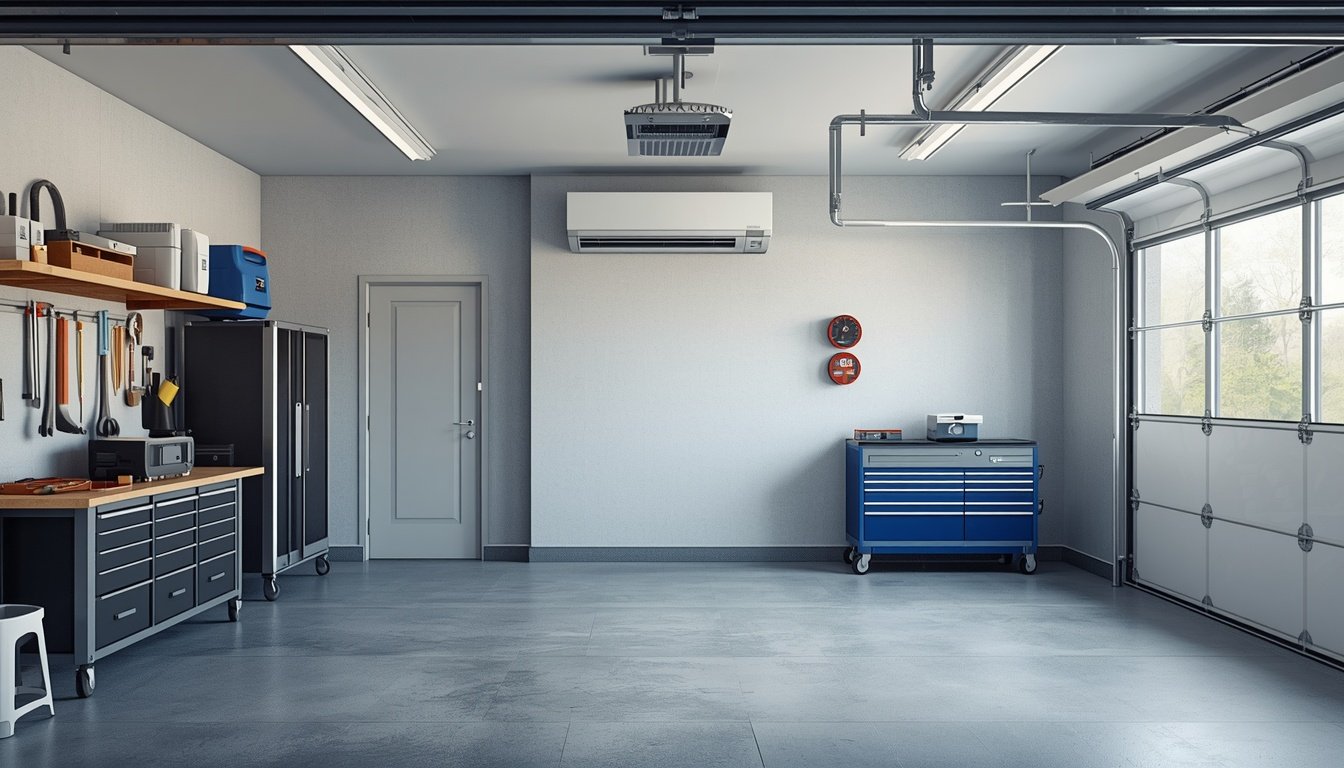
Heating a large garage typically costs between $100 and $350 per month during the winter, though costs can vary widely based on insulation, local climate, and energy prices. You can expect to spend more if your garage is poorly insulated, if you want to maintain higher temperatures, or if you use a high-powered unit for faster heating. Choosing the right equipment, like a large garage heater, and optimizing your setup can help keep expenses manageable.
Main Cost Drivers for Garage Heating
The cost to heat a large garage depends primarily on three factors: your chosen fuel source, the size of the space, and the level of insulation installed. Fuel types—electricity, natural gas, propane, or even diesel—can have dramatic differences in cost and performance. Electricity is typically more expensive per BTU but easier to install, whereas natural gas and propane can offer lower operational costs for large areas.
Garage size determines how much energy is required to maintain comfortable temperatures. Larger garages require higher-capacity heaters and longer run times, driving up energy consumption. The ceiling height also matters, as more air volume means more heating demand.
Insulation is a critical but often overlooked cost driver. Properly insulated garages can cut heating costs drastically by reducing the amount of heat that escapes. Garages with poor insulation or many air leaks will require more frequent heater cycling, leading to higher monthly bills. By addressing insulation, homeowners can often downsize their heater and run it less frequently.
Breakdown of Typical Monthly Heating Costs
Most homeowners will see monthly garage heating bills fall within a broad range depending on heater type and usage patterns. For electric heaters, monthly costs for a large garage can reach $200–$400, especially in colder climates. Natural gas and propane heaters tend to cost less to operate, generally in the $100–$250 range per month.
Other factors, such as local energy rates and thermostat settings, can push these numbers higher or lower. In mild climates, heating may only be needed for a few months each year, reducing overall annual costs. In regions with harsh winters, continuous heating can push bills to the high end of the spectrum. Heater efficiency ratings also play a significant role; higher-efficiency models often use fuel more effectively and help limit operational costs.
It’s also important to note that initial installation costs are not included in these monthly figures. Homeowners interested in gas-powered solutions should factor in venting, gas line installation, and professional setup costs in addition to ongoing monthly energy bills.
Key Ways to Reduce Heating Expenses
- Upgrade insulation in the garage ceiling, walls, and door
- Install a programmable thermostat to control operating hours
- Seal gaps, cracks, and drafty areas around doors or windows
Optimizing your garage for energy efficiency can significantly lower heating costs. Good insulation in the ceiling, walls, and garage door helps retain heat, meaning your heater won’t have to work as hard or as often. Using a programmable thermostat allows you to schedule temperature setpoints, so the heater runs only when needed, not 24/7. Ensuring all air leaks are sealed around windows, the door, and wall penetrations blocks drafts and prevents warm air from escaping. Each of these improvements not only reduces your recurring bills but often pays for itself over a few winters. Taking the time to implement these strategies provides comfort and cost savings year after year.
Heater Type and Sizing Implications
The choice of heater and its size has a big impact on both comfort and monthly costs. Gas-fired unit heaters deliver powerful heat output, making them ideal for large garages, but they must be properly sized. An undersized heater will struggle and overwork, leading to high bills without adequate warmth, while an oversized unit can waste fuel by short-cycling.
Electric heaters, while typically more expensive to run, offer simple installation but may take longer to heat up large spaces. Modern infrared and radiant heaters are sometimes used for spot-heating specific zones or workbenches and can keep costs down if you only need part-time warmth. Heat pumps are efficient in mild climates, though their output can suffer during extreme cold spells.
Consulting sizing calculators or a professional can ensure you select the right capacity for your garage size and typical usage. Heaters with adjustable output or integrated thermostats provide the flexibility to respond to changing weather or occupancy habits, helping you control energy consumption more precisely.
Common Extras That Can Affect Your Bill
- Running multiple heaters or supplemental portable units
- Keeping the garage heated 24/7 instead of part-time
- Using the space for heat-intensive activities, such as hobbies or workshops
Heating costs can increase substantially when additional factors come into play. Some homeowners run multiple heaters in very large or irregularly shaped garages, doubling energy usage. If you keep your garage at a constant temperature all winter rather than only heating it during use, monthly bills can rise sharply. Using the garage as a full-time workshop, gym, or hobby space often demands higher temperatures and longer heater run times, which reflect in your energy bills. In each case, evaluating your true usage pattern can help you adjust expectations and identify areas for potential savings. Targeted heating or zoning systems can provide warmth only in the areas that need it most, offering one of the best ways to minimize excessive costs.
When Professional Guidance Makes Sense
For homeowners unfamiliar with sizing, fuel choices, or system installation, professional advice is invaluable. An HVAC contractor can recommend the most cost-effective heater for your space, taking insulation, volume, and local code requirements into account. They can also help with safe venting for gas units and ensure powerful heaters meet electric panel capacity. Incorrect installation or sizing can waste energy and become expensive in the long run.
Some professionals may recommend the use of specific models like the large garage heater for balanced performance and affordability. They will consider the garage’s use, seasonal needs, and budget to craft the right solution. Relying on expert input can also help you leverage rebates, warranties, or utility incentives when available. The upfront investment in a consultation can save hundreds or even thousands of dollars over the lifespan of your garage heating system by ensuring efficient, practical choices from the very start.