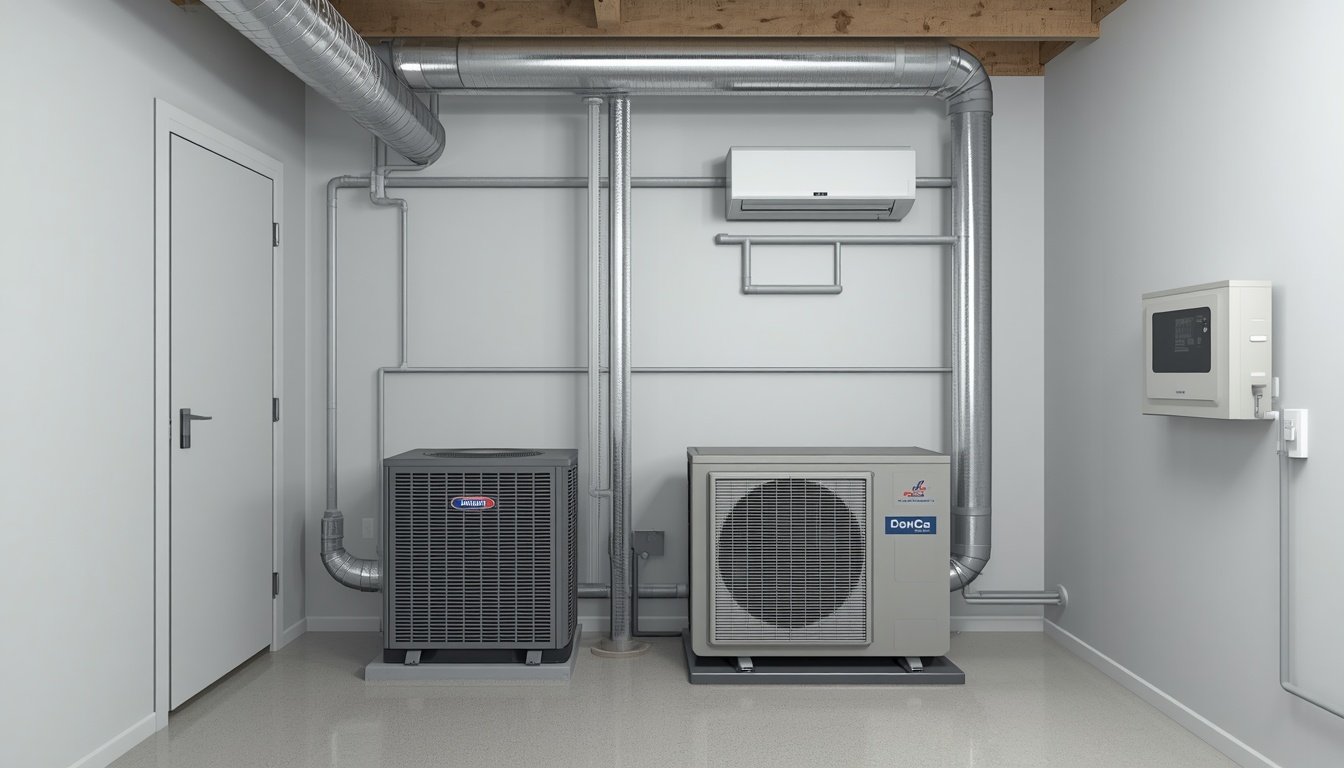
If your climate control system is showing signs of advanced age, you should assess whether targeted service can restore its function or if replacement is necessary. The decision largely depends on the system’s age, efficiency, and the frequency or cost of recent repairs. In many cases, regular upkeep and timely component replacements can add years to the system’s lifespan—but when major parts fail or costs stack up, a full upgrade may be the better investment. Understanding those thresholds can help you make an informed choice while ensuring a comfortable and energy-efficient indoor environment. For a detailed look at how to extend the life of an aging climate control system, this aging climate control system guide offers helpful troubleshooting and maintenance insights.
Key Indicators That Service Is Sufficient
Often, professional servicing can resolve core performance issues, especially when problems are isolated or components are relatively new. Common situations where service is all that’s needed include minor performance dips, odd noises, or airflow inconsistencies stemming from clogged filters or worn belts. If your system is under 10 years old and most parts function well, a technician will likely recommend targeted repairs or maintenance for immediate improvements.
Another factor supporting service over replacement is the absence of frequent breakdowns. If your system requires repairs only once a year or less, and those repairs are relatively minor, investing in routine tune-ups is cost-effective. Regular maintenance like coil cleaning, refrigerant topping, and electrical inspection can revive an inefficient unit and delay major expenditures.
It’s also important to consider energy bills. A slight increase in cost from year to year can signal the need for recalibration or cleaning—tasks that are manageable through service. However, persistently high bills after maintenance may point to underlying inefficiency only replacement can address. Ultimately, if servicing resolves immediate issues and the system’s age is favorable, continuing with periodic professional checks can maximize return on your initial investment.
When Replacement Becomes the Better Option
A full system replacement should be considered when costs of repairs begin to outweigh the benefits of keeping the old system running. A good rule of thumb is the “50% rule”: if repair costs in a single year total more than half the value of a new unit, investing in replacement is usually smarter. This tends to happen in systems over 12-15 years old, particularly when they suffer from major compressor, motor, or coil failures.
Frequent breakdowns, erratic temperatures, and rising energy costs after repeated repairs are strong replacement signals. Older systems often lack compatibility with modern efficiency standards, meaning even fully restored, they operate at a disadvantage. Newer climate control systems offer improved energy ratings, quieter operation, advanced filtration, and smart controls which can yield significant savings and enhanced comfort over time.
If your system uses discontinued refrigerants (such as R-22), replacement is nearly always the right call, since ongoing repairs become costlier and harder to source. Finally, consider the impact on overall home value and comfort. Replacing a failing system can eliminate stress, increase property value, and deliver reliable comfort for years to come—making it a worthwhile investment as your equipment ages.
Cost Comparison: Repair vs. Replacement
- Short-term repair costs may be lower, but can accumulate quickly with frequent service.
- Replacing older units often brings long-term savings via improved efficiency and reduced maintenance needs.
- Consider available rebates, financing options, and energy incentives to offset replacement costs.
Weighing the upfront cost of new equipment against ongoing repair bills is essential. While repairs might seem the cheaper solution in the immediate sense, an older unit often needs frequent fixes, turning annual expenditures into a mounting burden. Factoring in potential rebates or energy tax incentives can narrow the price gap between repair and replacement dramatically, making new installation more accessible. Lower energy bills with a modern, high-efficiency system can produce noticeable savings every month—quickly recouping initial investments. Replacement also means fewer service calls, less frustration, and a more reliable system overall.
Signs of Imminent System Failure
Certain symptoms clearly signal that a system is nearing the end of its functional lifespan. If your home experiences uneven temperatures, delayed start-ups, or the unit fails to maintain set points even after service, these are major warning signs. Loud banging or grinding noises from the mechanical components almost always signal critical wear that will escalate into total failure without an overhaul or full replacement. Water pooling near indoor units or the persistent scent of burning electronics are further red flags.
Sharp spikes in electricity usage are another warning. If your system struggles to cool or heat as it once did, even after cleaning or repairing, overworked components are likely drawing excess power. This loss in efficiency can quickly escalate both utility bills and repair costs. Leaking refrigerant, especially from older units, poses safety and regulatory concerns and is often both uneconomical and impractical to fix in aging machines. If multiple warning signs occur together, upgrading to a modern unit is the safer, wiser solution to prevent unexpected, costly breakdowns.
Maintenance Steps That Prolong System Life
- Schedule annual or biannual professional inspections and tune-ups.
- Change or clean air filters regularly—ideally every one to three months.
- Address small problems (like minor leaks or unusual noises) before they worsen.
Proactive care is your best defense against premature system failure. Professional tune-ups help technicians spot worn components early, fix minor refrigerant leaks, and ensure all parts perform as designed. Changing air filters often is a simple step homeowners can handle themselves, but it has a significant impact on performance and indoor air quality. Neglecting small warning signs—such as inconsistent airflow or subtle vibration noises—can lead to major breakdowns if left unchecked. By preventing issues rather than reacting to them, you extend the lifespan of your system, enjoy lower utility costs, and ensure more consistent climate control throughout the home.
Making the Final Decision: Questions to Ask
Before you decide whether to continue servicing your current system or move forward with replacement, ask yourself a few critical questions. How old is your unit, and do you know its repair history? Has your energy usage climbed steadily, or are comfort levels in your home declining despite recent tune-ups? Consider how often you’re calling for repairs, and whether your system supports modern, eco-friendly refrigerants and controls.
Consult with qualified HVAC specialists to weigh specific pros and cons tailored to your home and system. Obtain quotes for both service and replacement so you can calculate your true costs—not just today, but over the next 5–10 years. Think about your expected length of stay in the home, your indoor air quality needs, and future property value. Factoring in rebates and financing options may tip the scale toward upgrading, while simple, effective servicing may win out for newer, well-maintained systems. Careful evaluation means fewer surprises and a climate control setup you can count on for years ahead.