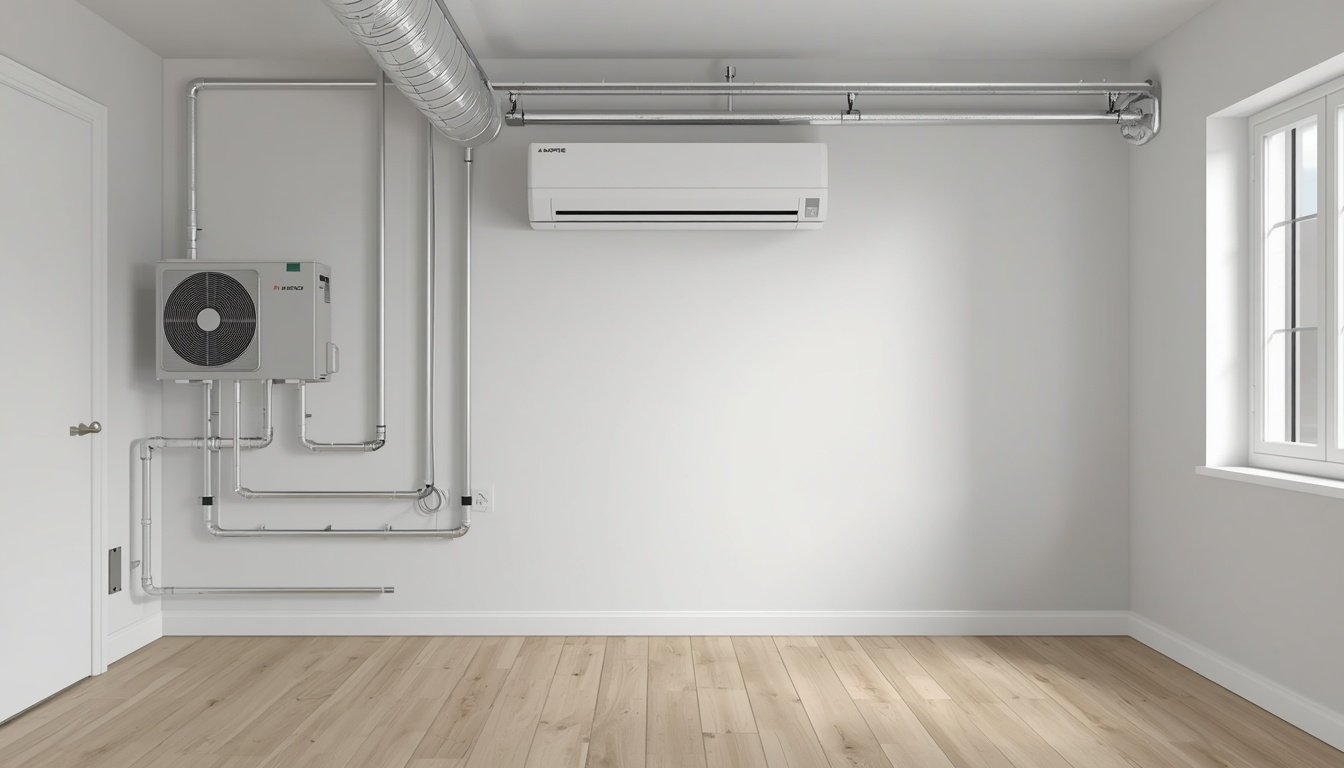
Mini splits can encounter a range of issues, the most frequent of which are unusual noises, poor cooling or heating performance, and error codes. These problems are typically easy to identify and sometimes simple to fix with basic knowledge. Understanding the most common issues and initial steps can help you decide whether to resolve the problem yourself or call in a professional. For an in-depth step-by-step resource on diagnosis, see this mini split troubleshooting guide.
Power and Startup Failures
If your mini split won’t turn on or respond to the remote, power supply issues are the most common culprit. Start by checking whether other devices near the unit have power. If they don’t, you may have a tripped circuit breaker or blown fuse. Cycle the breaker off and back on to see if the system resets. Also, confirm the power cord and any external disconnect switches are securely in place.
Sometimes, the issue lies with the batteries in the remote controller. Replace them and see if this restores functionality. Many systems have a manual power button on the indoor unit itself—using this can help you determine whether the remote or the main unit is the problem.
If your mini split powers up but flashes an error code or immediately shuts down, look up the error code in your model’s manual. Some models include diagnostic LEDs to help pinpoint the issue, such as low voltage, sensor faults, or communication errors between the indoor and outdoor units. If simple resets do not resolve the problem, a service call may be necessary, especially if electrical faults persist.
Temperature and Airflow Issues
Poor cooling or heating performance is a frequent complaint. If the system appears to run but room temperatures aren’t comfortable, first check the temperature setting on the remote. It’s surprisingly easy for the system to be set in fan mode or to an inappropriate target temperature.
Blocked or dirty filters are another common reason for weak airflow or uneven temperature distribution. Clogged filters restrict air movement, making the unit work harder and reducing efficiency. Regular cleaning or filter replacement can quickly remedy this issue. Inspect both the indoor and outdoor units; obstructions such as furniture, curtains, or debris near air inlets or outlets can block proper circulation.
Also, look at the fan settings. If it’s set to “low” or “eco” mode, air movement may be minimal. Some models may have swing louver adjustments—ensure the louvers are not stuck or misaligned. Persistent cooling or heating issues, especially if the unit cycles on and off quickly, may indicate refrigerant problems or a failing compressor. These are best handled by a certified technician to avoid damage or voiding your warranty.
Common Error Codes and What They Mean
- Flashing lights on the display panel
- Error messages on the remote or indoor unit
- Frequent power cycling before reaching set temperature
Mini splits communicate many problems through error codes. These codes appear as flashing lights, sequences of beeps, or even alphanumeric messages on modern displays. Reading your unit’s manual is key, as each manufacturer has a unique error key. For example, a blinking green light on some models could signal a communication fault between the indoor and outdoor module, while an E6 error might relate to refrigerant problems.
If your system cycles on and off or shows error codes frequently, this could mean sensor issues, clogged filters, abnormal system pressure, or electrical faults. Sometimes, a simple reset resolves temporary electronic glitches, but repeated error notifications usually mean a deeper problem. Common remedies include cleaning or resetting components, tightening electrical connections, or removing blockages—but never attempt complex internal repairs unless you’re experienced, as this can void your warranty. Keep a note of error codes when calling for service to help speed up diagnosis.
Unusual Noises and Odors from Units
Noisy operation or strange smells can be clues to underlying problems. Common noises include buzzing, rattling, squealing, or hissing. While some operational sounds are normal—like quiet fans or soft clicks—unusual noises often signal issues. Rattling may mean loose panels or mounting brackets, while buzzing could indicate electrical relay or contactor problems. Squealing suggests a worn-out motor or bearing, while hissing sometimes hints at refrigerant leaks.
If you notice musty, sour, or burning odors, act quickly. Musty scents often result from mold or microbial growth in damp filters or drain pans—clean or replace filters promptly. Sour odors can be related to stagnant water in the drain line or pan, while an electrical burning smell points to a wiring or insulation problem and should be checked by a professional right away.
Regular inspections can identify and address these concerns early. Cleaning, tightening screws, or clearing obstructions can sometimes resolve minor noises and odors. However, if the smell is electrical or the noise increases, switch off the mini split and schedule professional service to prevent further damage.
When to Repair Yourself vs. Call a Professional
- Resolving basic issues like power resets or filter cleaning
- Identifying when sensor or electrical faults require expertise
- Recognizing refrigerant-related problems for technician services
Simple maintenance tasks, such as changing filters, resetting breakers, and clearing minor obstructions, can be safely performed by most homeowners. These tasks require little specialized knowledge and are part of routine upkeep. If you encounter persistent performance problems after these steps, check your model’s manual for specific troubleshooting guidance.
However, electrical problems, persistent error codes, and refrigerant issues cross into technician territory. Sensor faults, wiring errors, or issues with internal components like compressors generally shouldn’t be addressed without professional training. Attempting repairs beyond your skill set can cause further damage or void warranties. If you see leaking fluids, smell burning odors, or receive error codes related to refrigerant, it’s critical to call a certified HVAC technician as soon as possible. Knowing your limits keeps both your mini split and household safe, while routine self-maintenance can extend your system’s life.
Proactive Maintenance and System Longevity
Preventing problems before they occur is the best approach to reliable mini split operation. Schedule filter checks and cleanings every month during heavy usage, and quarterly when the unit isn’t in constant operation. Indoor and outdoor units should be visually inspected for dirt, obstructions, and insect nests that could block airflow or damage internal parts.
Keep the area around the outdoor compressor clear of grass clippings, leaves, and debris. During colder months, ensure no ice or snow is blocking the unit. Drain lines should be checked regularly for clogs, and drip pans inspected for signs of mold. These maintenance routines not only help prevent operational failures but also support air quality and efficiency.
Annual professional tune-ups, including refrigerant checks and electrical inspections, are a wise investment for long-term performance. Keeping a log of maintenance and repairs can make future troubleshooting much easier for both you and your technician. For more on mini split cleaning, service life, and system replacement, see the Related Guides below.