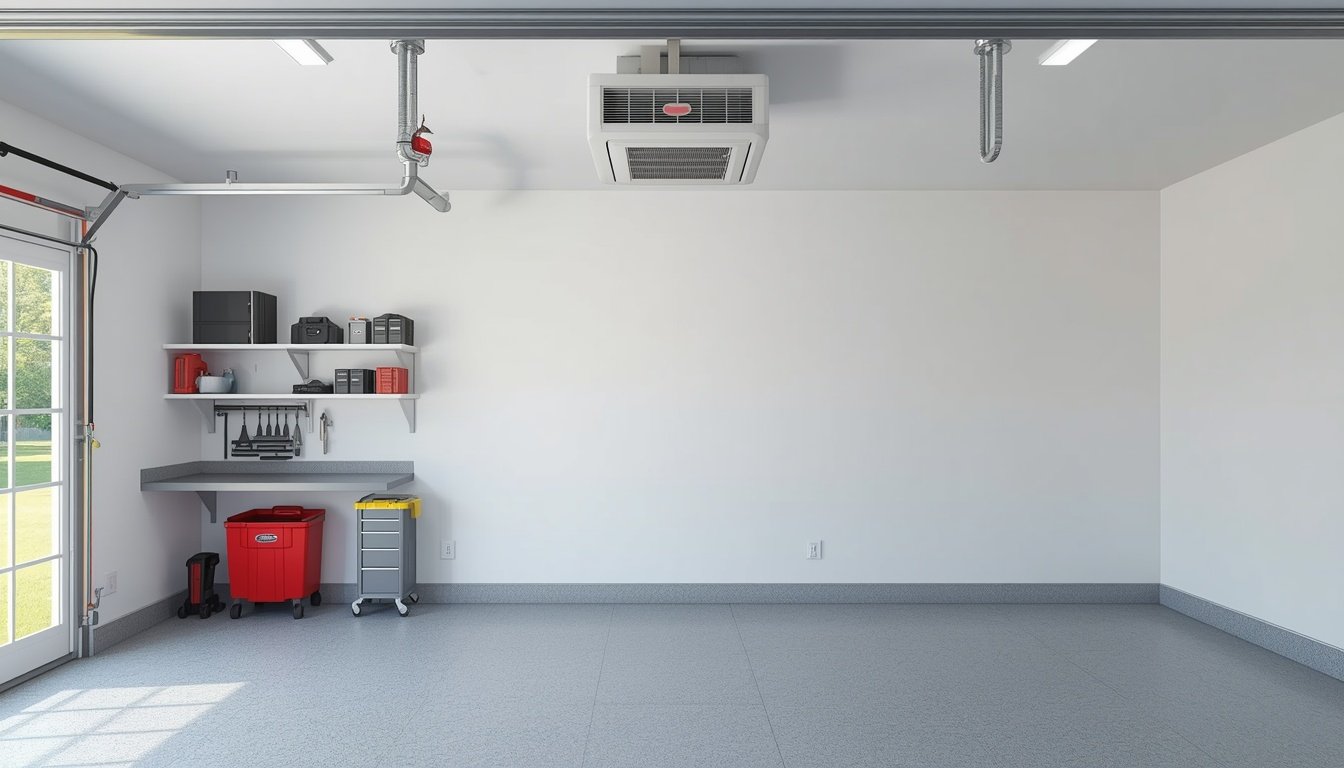
Mini split systems generally last between 12 and 20 years with proper maintenance. Most homeowners can expect at least 15 years of reliable operation before major repairs or replacements become likely. The system’s lifespan depends on factors like how often it’s used, whether maintenance is kept up, and the quality of the components.
Main Factors Affecting Mini Split System Longevity
The durability of a mini split is influenced by a combination of usage patterns, the installation environment, and ongoing care. Units exposed to harsh climates, excessive humidity, or constant heavy use tend to wear out faster. In contrast, mini splits installed in mild environments with moderate usage often last longer.
Regular maintenance is a major factor in longevity. Cleaning filters, checking refrigerant levels, and having annual professional inspections help prevent minor issues from escalating into serious problems. Neglecting simple maintenance like filter cleaning can cause the system to work harder, reducing efficiency and shortening its life.
Quality also matters. Higher-end mini split models built by reputable manufacturers usually outlast budget options, due to better materials and engineering. If you’re considering an upgrade, looking into premium mini split systems may deliver a longer working life and improved reliability. Homeowners who invest in professional installation also enjoy longer equipment lifespans compared to DIY installs that risk small—and costly—errors.
Signs Your Mini Split May Be Nearing the End of Its Lifespan
- Frequent operational problems or error codes appear
- Inefficient heating or cooling despite correct settings
- Unusual noises, such as grinding or buzzing from indoor or outdoor units
- Escalating repair costs or recurring service calls
- Noticeable decline in air quality or increased energy bills
These warning signs often mean the system’s key components, like compressors or circuit boards, are wearing out. A sudden jump in energy use, even after cleaning filters and maintaining proper settings, points to age-related inefficiency. At this stage, evaluating the cost of ongoing repairs versus a full system replacement is wise. Handling minor repairs may buy you some time, but persistent issues mean the unit’s lifespan is likely ending.
How to Maximize the Lifespan of Your Mini Split System
To keep your mini split running efficiently for as long as possible, regular maintenance is essential. Clean or replace air filters every one to three months, depending on system use and local air quality. Schedule professional tune-ups annually to check coils, refrigerant levels, and all electrical connections.
Monitor your mini split for early signs of trouble, such as odd noises or inconsistent temperatures. Addressing issues promptly helps prevent bigger breakdowns. Ensure the outdoor unit is free from leaves or obstructions, which can block airflow and increase strain on the system.
During installation, choose a location that protects the unit from direct sun, snow, or heavy debris. This reduces unnecessary stress and helps the components last longer. For maximum reliability, opt for a quality brand and professional installation. These upfront choices, combined with scheduled care, give your mini split every chance to reach or exceed the 15–20 year mark.