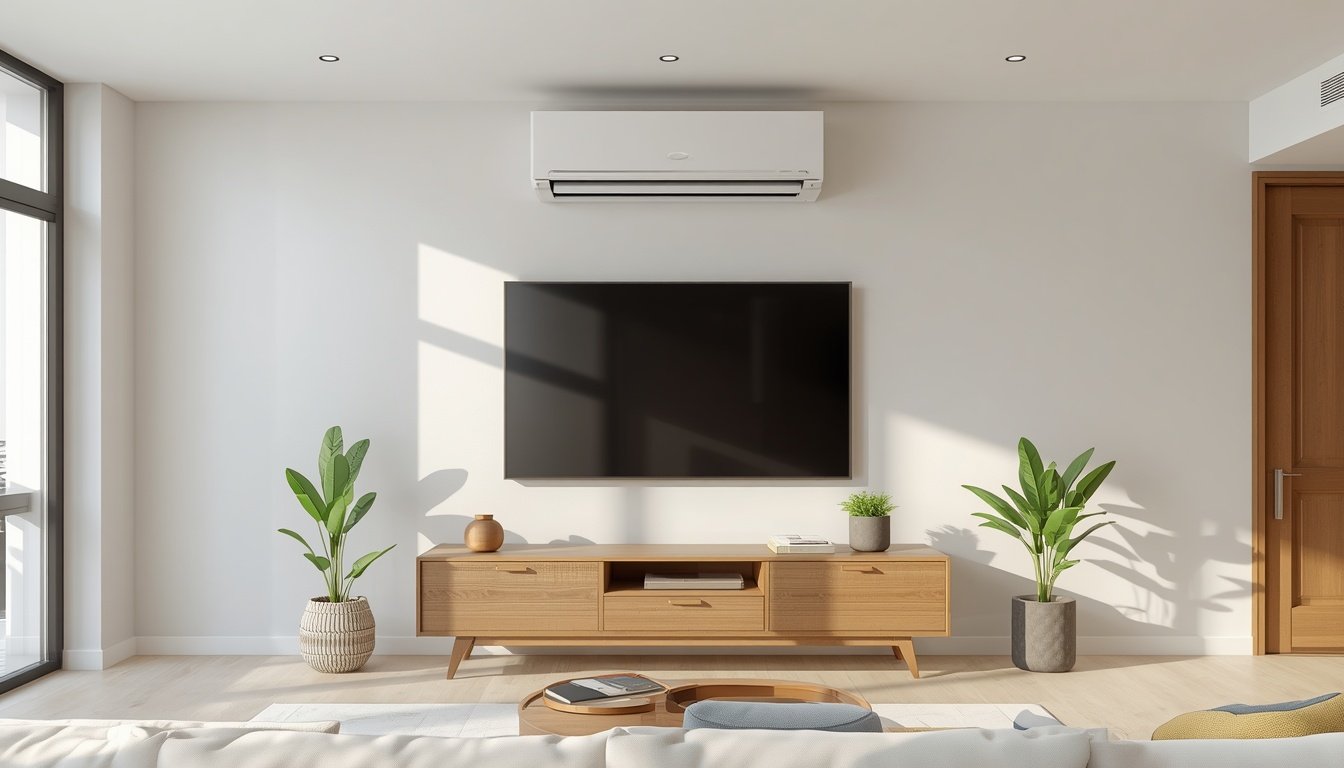
Mini split systems use two main components—an outdoor condenser and one or more indoor air handlers—to move heat in or out of a space. They work by absorbing heat from inside your home and releasing it outside when cooling, or reversing the process to provide heating. This allows mini splits to efficiently control the temperature in different areas without ductwork, making them a popular choice for homes where traditional ducted systems aren’t practical.
The Main Components and Refrigerant Cycle
Mini split systems operate using a basic refrigeration cycle. The outdoor condenser connects to indoor units with small refrigerant lines. When you set the system to cool, the indoor unit pulls warm air from the room, transfers the heat to the refrigerant, and moves this heat to the outdoor unit. The condenser then releases the heat outdoors, and the indoor unit blows cooled air back into the room.
The process reverses in heating mode. The mini split absorbs heat energy from outside, even in cold conditions, and delivers it inside. This two-way heat transfer is what enables mini splits to offer both cooling and heating.
Since each indoor unit is controlled separately, you can set different temperatures for different rooms. This zone control is a key advantage over traditional one-thermostat systems and can be particularly energy efficient. If you want more detailed information on these systems, the mini split systems guide is a great place to start.
Installation, Control, and Efficiency
Mini split installation requires mounting the indoor air handler on a wall and connecting it to the outdoor unit via a small hole—much less invasive than running bulky ducts. The outdoor condenser is usually placed on a flat surface or mounted to a wall. Professional installation ensures the refrigerant lines are properly charged and sealed for safe, efficient operation.
Control is straightforward. Each indoor unit comes with a remote or wall-mounted thermostat. Some systems support app-based control or smart home integration, providing flexible management of each indoor zone. This individual control not only maximizes comfort but also avoids wasting energy in unused rooms.
Because they deliver heating and cooling directly, mini split systems often have higher efficiency ratings than conventional forced-air systems. The lack of ducts eliminates energy loss from leaks. Inverter-driven compressors also allow the system to ramp speed up or down as needed, making temperature adjustments more gradual and efficient.
Benefits, Drawbacks, and Ideal Use Cases
- No ductwork required—ideal for retrofits or additions
- Independent temperature zones
- Quiet indoor operation
- Potentially lower energy bills
Mini split systems are versatile and well suited for homes lacking existing ducts, single rooms, or expanded areas like garages and additions. Their ability to control individual room temperatures boosts comfort and provides opportunities for energy savings. Homeowners appreciate the quiet operation and minimal disruption during installation. However, initial costs can be higher than window units, and installation should be handled by a professional to ensure reliability. Overall, mini splits offer flexible and energy-efficient comfort solutions in a variety of settings.