Managing indoor humidity across the whole home means controlling both excess moisture and overly dry air, not just running a small appliance in one room. A complete humidity strategy may involve a whole-house dehumidifier, whole-house humidifier, HVAC airflow, ventilation, drainage, insulation, and regular maintenance. The right approach depends on whether the home is damp, dry, uneven from room to room, or affected by seasonal humidity swings.
Humidity control matters because indoor moisture affects comfort, building materials, air quality, and how heating and cooling systems feel. Too much humidity can make rooms feel sticky, encourage musty smells, and make cooling feel less effective. Too little humidity can make indoor air feel harsh during heating season, especially in colder climates. If you are trying to understand the ideal range first, the article on what humidity level a house should be is a useful starting point.
What This Guide Covers
This guide explains how larger home humidity systems work, when they make sense, and how to choose between dehumidification, humidification, ventilation, and smaller room-level options. It is designed for homeowners who are dealing with recurring moisture problems, dry indoor air, basement dampness, condensation, musty rooms, or comfort problems that seem connected to humidity rather than temperature alone.
The key point is that humidity is not always solved by buying one product. A damp basement may need drainage, air sealing, and a dehumidifier. A dry winter home may need a whole-house humidifier, but it also needs careful humidity settings to avoid condensation. A tightly sealed home may need ventilation so moisture and stale air are managed properly. For buyers comparing system types, the guide to the best whole-house dehumidifier and the guide to the best whole-house humidifier cover the main product directions.
How Whole-Home Humidity Control Works
Home humidity control works by either removing excess moisture from indoor air or adding moisture when the air is too dry. Dehumidifiers pull moisture from the air and drain it away. Humidifiers add moisture to the air, usually through an HVAC-connected system or a local room unit. The goal is to keep indoor humidity in a comfortable range without creating dampness, condensation, or overly dry air.
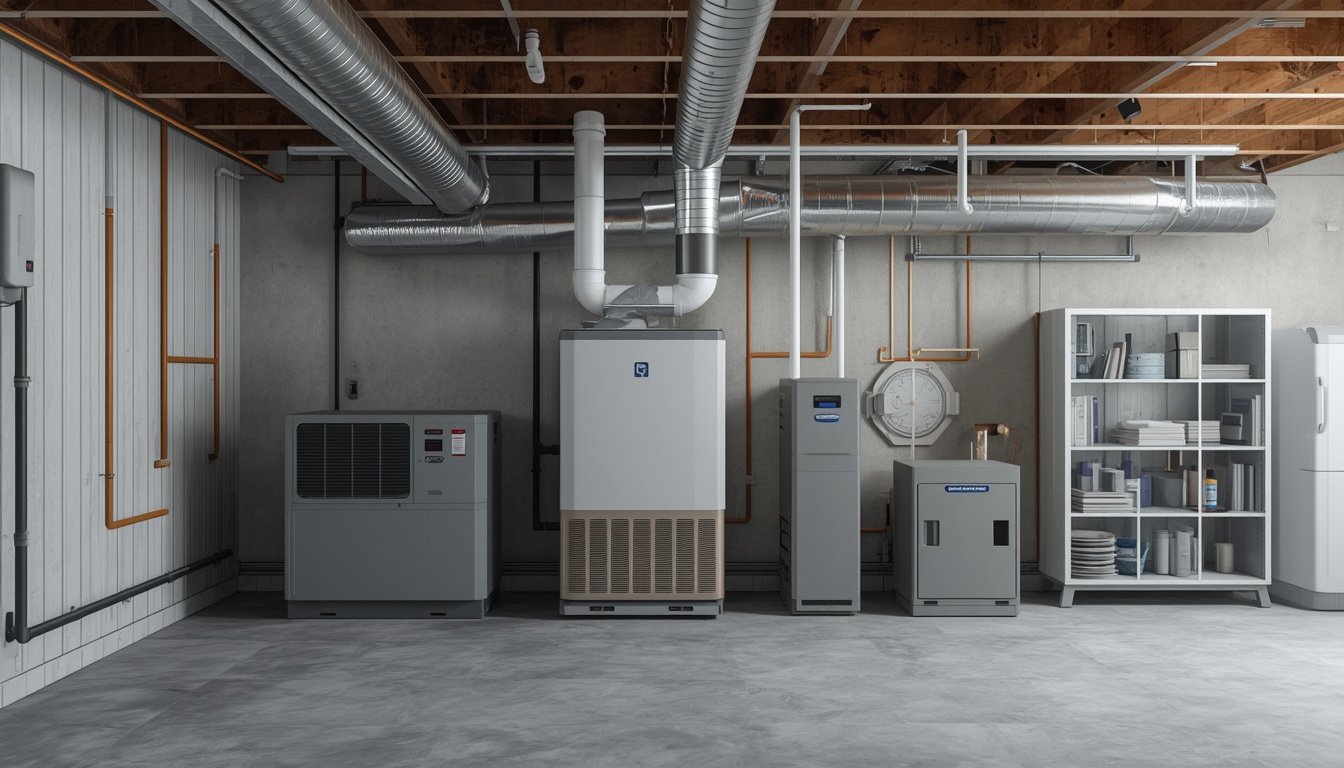
A whole-house dehumidifier is usually installed in a basement, utility space, mechanical room, or HVAC-connected area. It may work with ductwork or be installed in a way that allows it to manage a larger area than a portable unit. This type of system is most useful when humidity affects more than one room or returns every season. The article on whether whole-house dehumidifiers work explains where they are most useful and where expectations need to be realistic.
A whole-house humidifier usually connects to the home’s HVAC system or ductwork. Steam humidifiers, bypass humidifiers, and other installed systems work differently, so the right type depends on the home, climate, and equipment layout. Dry air is most common during heating season, when cold outdoor air is warmed indoors and relative humidity drops. A humidifier can improve comfort, but it must be controlled carefully so it does not create window condensation or hidden moisture issues.
Common Use Cases
One of the most common use cases is a damp basement or lower level. Basements can collect moisture from foundation walls, cool surfaces, poor airflow, or nearby crawl spaces. A portable dehumidifier may help one area, but a larger installed dehumidifier can make more sense if the dampness affects the whole basement or spreads through the home.
Another use case is a home that feels sticky even when the air conditioner is running. This can happen when the HVAC system cools the air but does not remove enough moisture, or when outdoor humidity enters through leaks, ventilation gaps, or frequent door openings. In these homes, dehumidification may improve comfort without lowering the thermostat as much.
Dry winter air is the opposite problem. Homes in colder climates may feel uncomfortable when heating runs for long periods. Wood floors, furniture, musical instruments, and general comfort can be affected by very dry indoor air. A whole-house humidifier can be useful when dry air affects several rooms every winter. The article on whether a whole-house humidifier is worth it can help you decide whether an installed system makes sense or whether a room humidifier is enough.
Key Factors to Consider
- Whether the problem is too much humidity, too little humidity, or uneven humidity between different areas of the home.
- Where the issue appears, such as a basement, crawl-space-adjacent area, bedroom, whole house, or only one seasonal problem room.
- Whether the home has suitable ductwork, drainage, water supply, electrical capacity, and service access for an installed system.
- Whether moisture is caused by indoor air conditions, outdoor humidity, poor drainage, plumbing leaks, foundation issues, or weak ventilation.
- How much maintenance the system will require, including filters, drains, humidifier canisters, cleaning, and seasonal inspection.
- Whether a portable appliance can solve the issue or whether the problem is widespread enough to justify a whole-house system.
- How humidity control interacts with heating, cooling, insulation, air sealing, and mechanical ventilation.
Choosing the Right Option
The right option depends on the direction of the problem. If the home is damp, musty, or consistently above a comfortable humidity range, a dehumidifier is the more relevant choice. If the home feels dry during winter, a humidifier is the more relevant choice. If the home has both seasonal dampness and seasonal dryness, it may need a more complete strategy rather than one product.
For widespread dampness, a whole-house dehumidifier may be more practical than portable units. Portable units can work well for one room, but they may need frequent emptying, have limited reach, and may not keep up with larger moisture problems. The comparison of whole-house dehumidifiers vs portable dehumidifiers is useful when deciding whether the issue is local or large-scale.
For dry air, the choice is often between a room humidifier and an installed system. A room humidifier can be enough for one bedroom or office. A whole-house humidifier may make more sense if dry air affects most of the home every winter. If you are comparing system styles, the article on steam humidifiers vs bypass humidifiers explains the difference between two common installed options.
Cost should include more than the product price. Whole-house systems may require installation, ducting, drainage, water lines, electrical work, and maintenance access. For planning the full project, the guide on the true cost of whole-house humidity control can help set more realistic expectations.
Limitations and Considerations
Humidity equipment can help, but it should not be used to cover up building problems. A dehumidifier may reduce moisture in the air, but it will not fix a leaking foundation, plumbing leak, poor grading, or water intrusion problem. A humidifier can improve dry indoor air, but it can create condensation if humidity is set too high for the outdoor temperature and window conditions.
Whole-house systems also need maintenance. Dehumidifiers need filters, drains, coils, and service access. Humidifiers may need canister replacement, cleaning, water supply checks, and seasonal settings. If a system is installed where it cannot be reached easily, maintenance is more likely to be skipped.
Ventilation also matters. A tightly sealed home may hold moisture, stale air, or odors if fresh air exchange is poor. In some homes, ventilation and humidity control need to be planned together. The best setup is usually the one that matches the home’s actual moisture source, climate, HVAC layout, and comfort goals rather than simply choosing the largest product available.