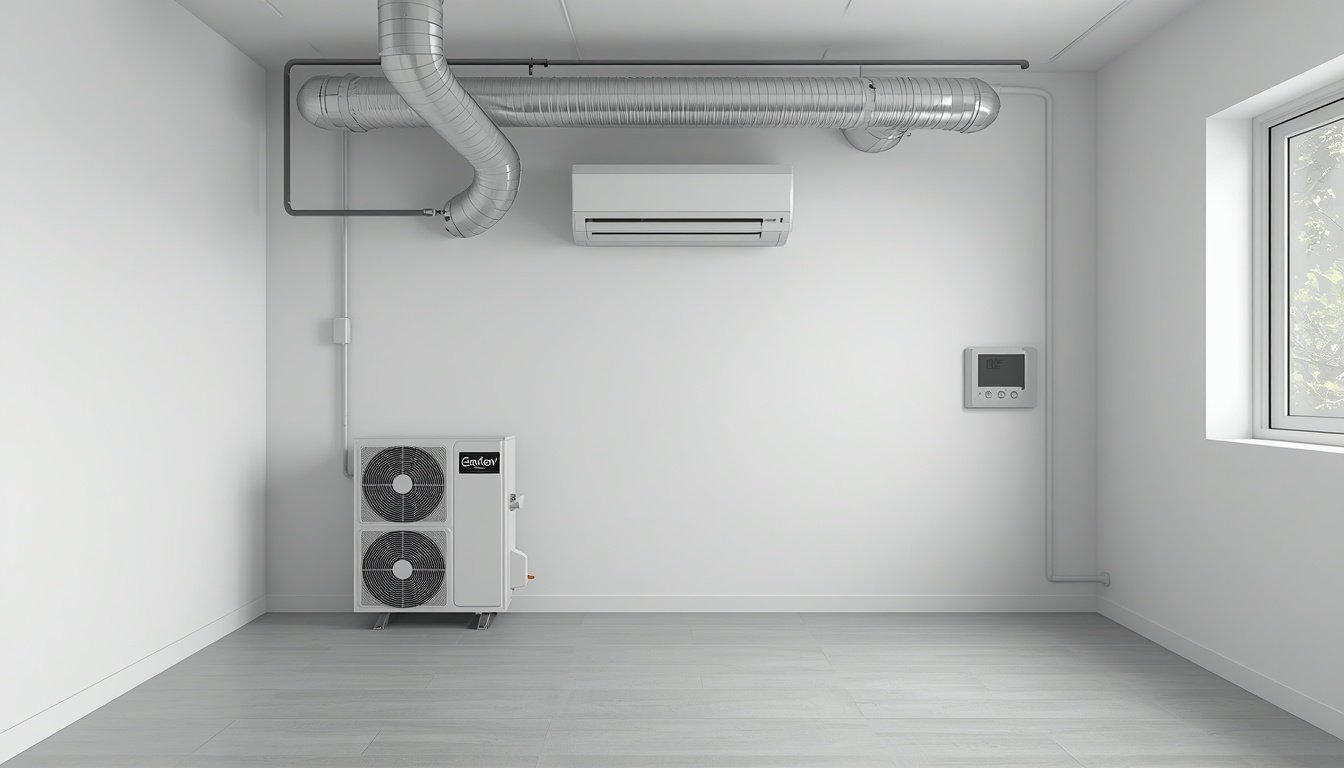
Permits and code compliance are required for most whole-home HVAC upgrades. Anyone replacing, upgrading, or significantly altering a residential heating or cooling system must obtain proper permits and ensure work meets local building codes. This process safeguards homeowners by ensuring installations are safe, efficient, and compliant with legal requirements.
How It Works
The permitting process involves submitting an application to the local building department before any major HVAC work begins. The project plans are reviewed to verify compliance with current mechanical and electrical codes. Once approved, work can start, often under the supervision of a licensed contractor. After installation, a municipal inspector conducts a final onsite visit to ensure all code and permit specifications are met.
What It Can Do
Securing proper permits and following code compliance brings several benefits to HVAC projects. These safeguards are built into the process to promote safety, reliability, and regulatory adherence throughout installation and operation.
- Ensure the HVAC system is installed according to current safety and efficiency standards.
- Protect homeowners from future liabilities and insurance issues related to improper installations.
- Facilitate smooth property transactions by providing proof of permitted, code-compliant work.
Adhering to permit and code rules also helps guarantee that the system functions as intended, operates efficiently, and meets local regulations. This minimizes the risk of failed inspections, costly corrections, or unsafe conditions later on. Additionally, when you decide to sell your home, documented code compliance often simplifies the process and supports property value.
Limitations and What It Cannot Do
While permits and code compliance cover many critical aspects of installation, there are limitations. The permit process cannot guarantee the absolute quality of every installation, as inspectors primarily check for basic code adherence rather than long-term performance or advanced system diagnostics.
- Permits do not ensure HVAC system sizing is optimal for every unique home.
- Inspectors may not evaluate manufacturer-specific installation techniques or specialized settings.
- Code compliance does not prevent all future breakdowns or maintenance needs.
It is important to recognize that obtaining a permit and passing inspection are necessary steps, but they do not substitute for skilled workmanship or regular HVAC maintenance. Homeowners still bear responsibility for hiring reputable professionals and scheduling ongoing care to keep systems running efficiently and safely.
When It Works Best
Permits and code compliance deliver the best results for substantial HVAC projects such as full system replacements, conversions between heating sources, or upgrades involving electrical and mechanical changes. They are especially crucial in jurisdictions with strict enforcement and in homes where previous undocumented work may exist. Review local requirements whenever planning an HVAC upgrade to avoid delays, fines, or the need for expensive rework later.
Common Misconceptions
Some property owners believe permits are optional for HVAC work, or that minor upgrades never require inspection. In reality, most municipalities require permits for any work beyond routine repairs. Another misconception is that passing inspection ensures flawless performance, when it only confirms legal compliance at the time of installation.
Final Answer Summary
Permits and code compliance are mandatory for significant whole-home HVAC upgrades to ensure safety, legality, and efficiency. While they minimize risks and support resale value, they cannot guarantee lifelong system performance or optimal installation for every situation. Understanding and following local permitting processes is essential for a successful and compliant HVAC project.
Related Guides
- What to Expect During Professional HVAC Installation
- Questions to Ask an HVAC Installer Before Hiring
- HVAC Cost Breakdown by System Type and Square Footage
For a step-by-step overview of planning and completing safe, compliant climate system upgrades, see the HVAC installation guide.