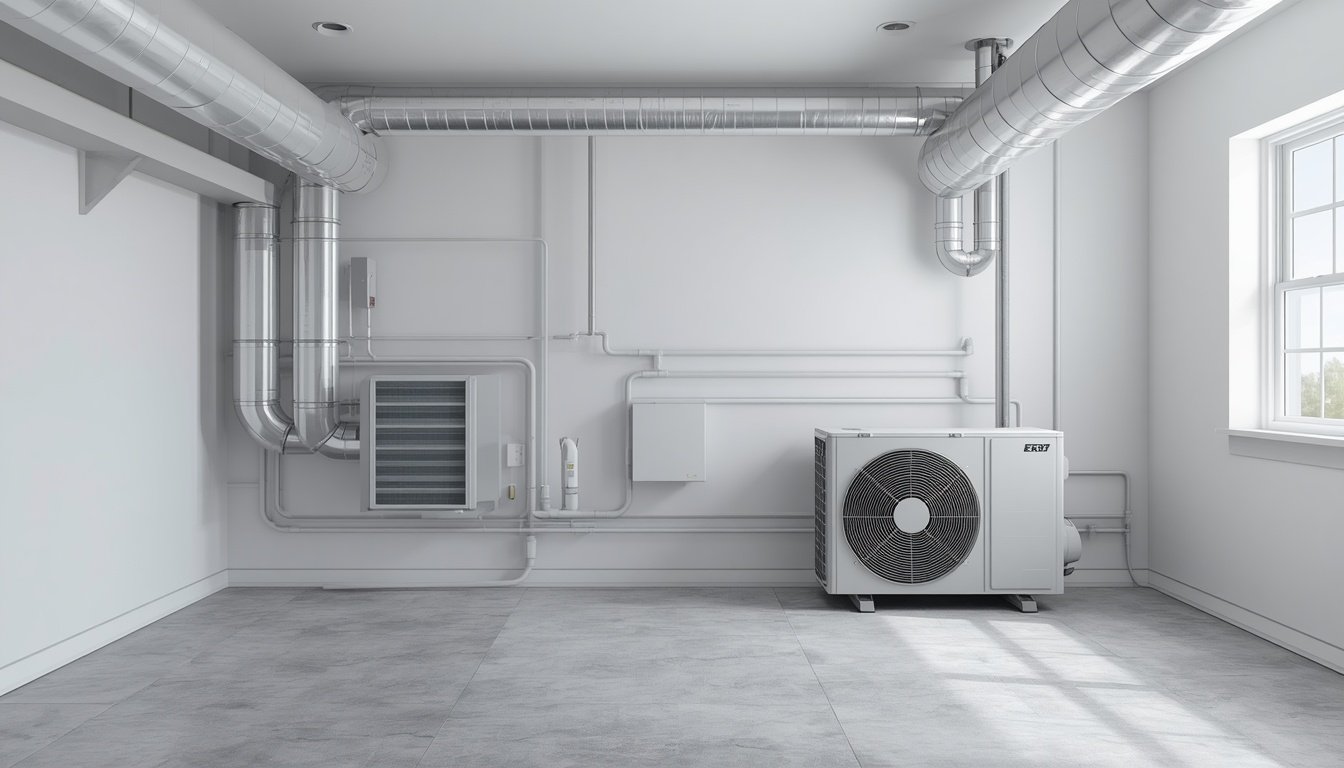
Understanding HVAC costs by system type and square footage is essential for planning any home climate control upgrade. The price of a new system varies greatly, depending on the equipment, installation needs, and the size of the space you want to heat or cool. Before you make a decision, recognize that factors like home square footage, energy efficiency, and installation complexity play a huge role in the final price you’ll pay.
Why It Matters
Choosing the right HVAC system type and getting a realistic cost estimate prevents unexpected expenses during installation or future upgrades. The wrong choice could saddle you with unnecessary features or a system that’s inefficient for your home’s size. Different HVAC configurations—such as central air, mini splits, or high-capacity heat pumps—come with their own upfront and ongoing costs, making honest comparisons critical for practical decision-making.
Not all home climate control solutions provide the same value for every scenario. For example, a high-efficiency heat pump may offer energy savings in the long run, but only if it’s properly sized for the home. Similarly, using a mini split system might be cost-effective for an addition but not for a large, multi-room property. Taking time now to understand potential costs by system type and square footage helps you prioritize comfort, efficiency, and budget from the outset.
Most Important Features to Prioritise
Several system features have a significant influence on both initial HVAC pricing and long-term satisfaction. Evaluating which to prioritize will help ensure your investment matches your climate needs now and well into the future.
- System Capacity and Sizing: The larger your home, the more powerful your HVAC system must be. Undersized or oversized units both lead to inefficiency and possible repair costs.
- Energy Efficiency Ratings (SEER, AFUE, HSPF): Higher efficiency systems cost more upfront but can lower utility bills for years. These are particularly important for larger homes where small inefficiencies add up quickly.
- Type of System (Central, Ductless, Heat Pump, Furnace/Air Conditioner): Each system type comes with unique installation requirements, maintenance expectations, and cost ranges that scale with your home’s square footage.
- Professional Installation Quality: Even a top-rated system will underperform if not correctly installed. Experienced installers ensure your equipment operates at peak efficiency.
- Compatibility with Existing Ductwork: If your home already has well-maintained ducts, a traditional HVAC system might be more affordable. In contrast, ductless options can avoid the hidden costs of duct replacement or repair.
After reviewing these features, it’s clear that the combination of proper sizing and professional installation has a direct impact on overall performance, efficiency, and cost-effectiveness. Investing in a unit that’s well-matched to your space, and ensuring it’s installed to professional standards, is more important than opting for advanced extras that add complexity or maintenance. This helps prevent the common issues of uneven temperatures, high energy costs, or frequent breakdowns that can result when a system isn’t exactly right for the home.
Features That Matter Less for Most People
Certain advanced features can seem appealing but are not always necessary for effective home climate control. These extras often add to initial costs and may not deliver proportional value for every household, especially when considering system type and home size.
For example, smart thermostats, air quality sensors, and multi-stage compressors are increasingly common in premium systems. While helpful for some, these features often have a limited impact if basic sizing and installation aren’t handled first. Home automation compatibility is another area where costs can rise quickly, but payback depends on how heavily you rely on automation for daily comfort.
It’s also important to note that noise reduction features are prioritized in certain environments, like bedrooms or home offices, but for many whole-home installations, standard models provide adequate sound control. Prioritizing fundamental features first allows you to direct your budget where it matters most—toward the system’s size, efficiency, and reliability—rather than optional upgrades unlikely to affect everyday usage.
How to Match Features to Your Situation
Finding the right HVAC system for your home means carefully weighing your specific needs, the square footage involved, and the kind of housing you have. Start with a clear picture of your space: How large is it? How many floors or zones? Are there older ducts or no ducts at all? Each of these questions has a direct impact on both system selection and cost structure.
For single-zone or smaller homes, ductless mini splits or high-efficiency heat pumps can be practical and cost-effective. In larger properties or multi-level homes, central HVAC systems with zoning capabilities may make more sense, but budget for potential ductwork upgrades or repairs. Balancing up-front expenses with potential energy savings is key—sometimes spending more on a high-efficiency model pays off over time, especially for homes with high year-round climate control demands.
If you’re unsure where your project fits on the cost spectrum, reviewing an HVAC cost breakdown by system type and square footage offers a practical reference point. This can help clarify baseline expectations for your situation and keep your planning process realistic and aligned with your comfort goals. Planning this way supports confident decisions, minimizing the risk of overspending or missing out on meaningful long-term value in your home climate system.
Final Thoughts
Getting a clear understanding of HVAC system costs by type and square footage is a practical first step when planning a climate control upgrade. The most important factors remain correct sizing, efficiency ratings, system compatibility, and reputable installation. Features beyond the basics can be valuable, but often don’t impact comfort or performance as much as core system performance does.
Consider your home’s unique characteristics and climate needs, then compare estimates for several system types that fit those requirements. Take time to evaluate which features are vital for your comfort and budget, and which are better treated as optional. A thoughtful approach—grounded in actual space needs and the realities of system pricing—helps you achieve a comfortable, efficient, and cost-effective home environment for years to come.