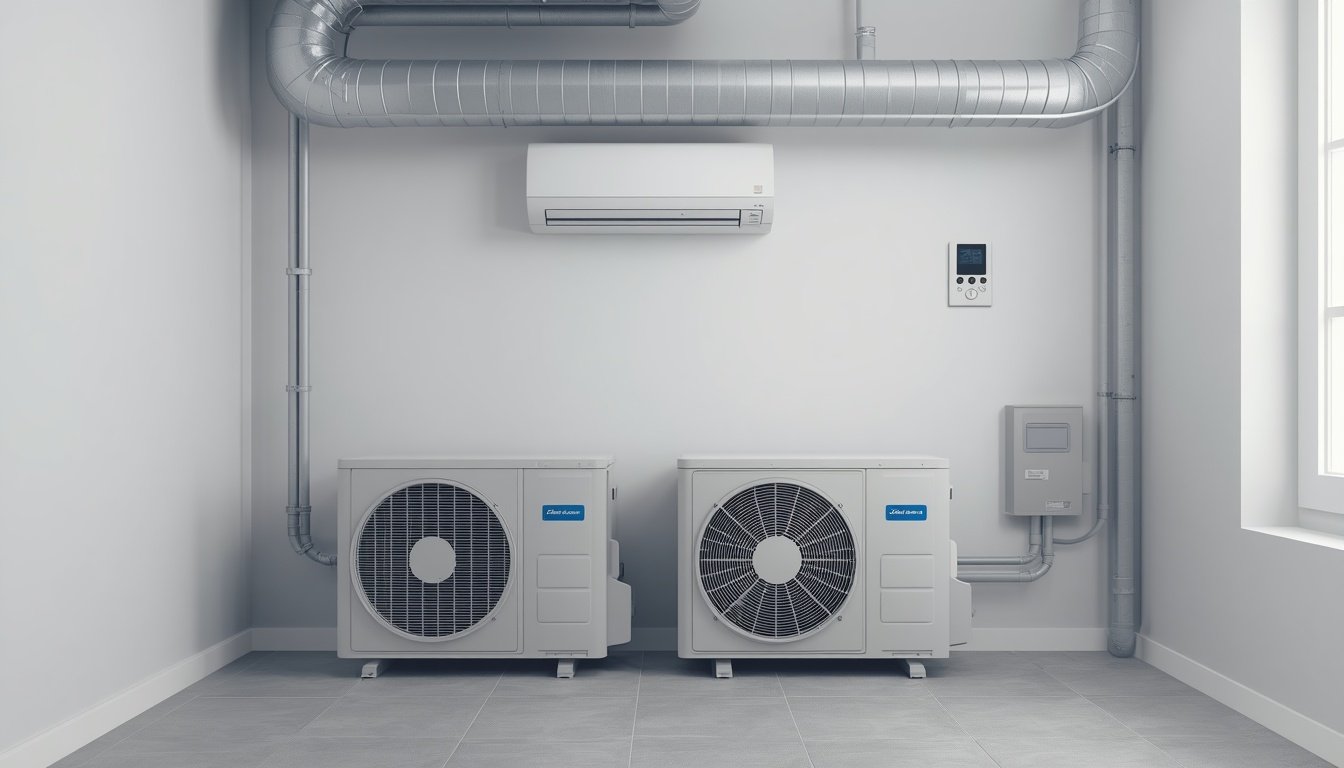
Most garage unit heaters that burn fuel, such as natural gas or propane, require venting to safely remove combustion gases outside. Electric garage heaters do not need venting, because they do not produce combustion byproducts. Proper venting is essential for safety, efficiency, and meeting local building codes.
How It Works
Fuel-burning garage unit heaters operate by combusting gas or propane within a sealed chamber. This process generates heat but also produces gases like carbon monoxide and water vapor. To protect air quality, these combustion byproducts are routed through a vent pipe or flue that discharges safely outside the building. The design prevents harmful gases from entering the garage air and maintains effective unit operation.
What It Can Do
Vented garage unit heaters provide reliable and efficient heat in enclosed spaces while maintaining indoor air safety. When installed and vented correctly, they are suitable for both residential and heavy-duty applications. The following features summarize their capabilities:
- Discharge combustion gases outdoors to prevent buildup of dangerous fumes inside
- Allow the safe use of larger, high-output heaters in closed or less-ventilated garages
- Support compliance with safety and building regulations required in most areas
- Enable heating in a variety of climates and sizes, including spacious or commercial garages
Venting enables fuel-fired heaters to operate at higher capacities, which is important for maintaining consistent temperatures in large or heavily insulated garages. By ensuring combusted gases are properly expelled, these systems can work efficiently in challenging environments where electric heating alone may not be sufficient.
Limitations and What It Cannot Do
There are important restrictions with venting garage heaters. Not all heaters require or are compatible with venting, and improper installation can create serious safety risks. Homeowners should be aware that:
- Electric garage heaters do not need venting, but they may have lower heat capacity than gas models
- Only heaters specifically designed for venting should be connected to flue or vent pipes
- Improper venting or blocked vents can result in carbon monoxide buildup and pose life-threatening danger
- Retrofitting venting systems into existing garages can involve significant installation cost and planning
Venting does not remove all pollutants or guarantee air purity if units are not maintained or if the vent is obstructed. Regular inspections and compliance with manufacturer specifications and building codes are essential. Heaters meant for unvented operation should never be modified for venting unless approved by the manufacturer, as this can lead to unsafe operation or legal non-compliance.
When It Works Best
Vented garage unit heaters are most effective in garages where there is limited ventilation or when high heat output is needed for large, insulated, or commercial garages. They are also ideal when safety is a top concern, as proper venting minimizes exposure to combustion gases. Many users choose vented heaters for year-round use or in settings that require reliable temperature control regardless of outside conditions.
In situations where local codes mandate vented systems or where occupants spend significant time in the space, properly vented gas heaters offer both comfort and peace of mind. When considering a gas unit heater for large garages, always check if proper venting infrastructure exists or if it can be safely installed.
Common Misconceptions
It’s a common misconception that all garage heaters require venting; in truth, electric models do not. Another misunderstanding is that venting is optional for gas heaters—using a non-vented unit in a closed space can be extremely dangerous. Some also believe venting can be improvised, but using non-certified materials or incorrect installation methods poses major risks.
Final Answer Summary
Most fuel-burning garage unit heaters need venting to ensure safe removal of combustion gases, while electric models do not require this. Proper venting is critical for safety, legal compliance, and effective operation. Always confirm the heater type and follow all installation guidelines for your specific situation.