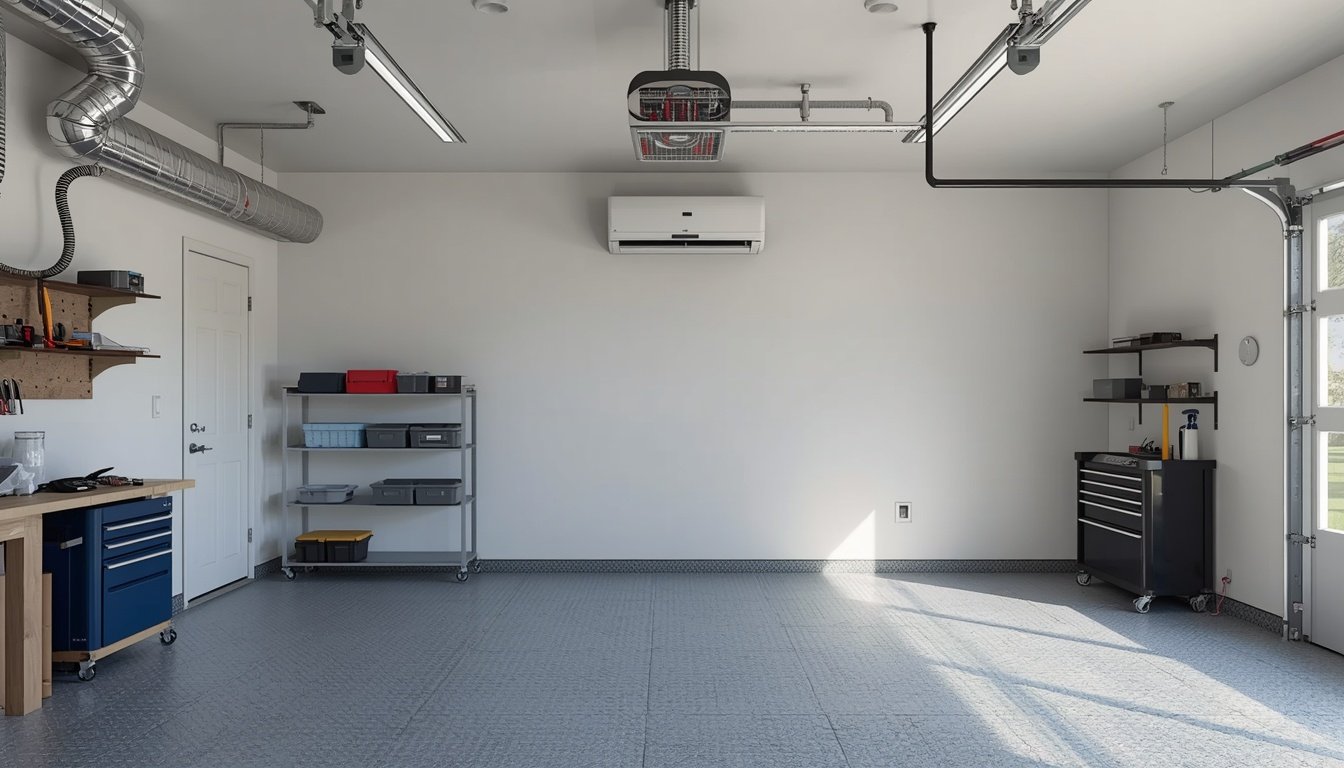
Gas garage heaters are generally safe when installed and used correctly. However, they can become dangerous if safety precautions are ignored or if installed improperly. Understanding the risks and adhering to manufacturer guidelines is essential for safe operation.
Key Safety Considerations for Gas Garage Heaters
Proper installation is critical to the safe operation of gas garage heaters. Units must be installed according to the manufacturer’s instructions and local building codes. This typically involves adequate clearance from walls and flammable objects, as well as proper venting to release combustion gases outside the garage.
Carbon monoxide is a significant risk associated with gas heaters. Without adequate ventilation, toxic fumes can build up, especially in tightly sealed spaces. This makes the installation of a carbon monoxide detector near the heater a necessity for extra safety.
Regular maintenance is another key aspect. Dust, debris, and obstructions can affect performance and create fire hazards. Annual professional inspections help ensure that burners, heat exchangers, and venting systems are functioning safely. Addressing even minor malfunctions can prevent more serious issues from arising. If you’re searching for a reliable heating option, review our link on gas unit heater for large garages to find safe, efficient choices.
Common Risks and How to Prevent Them
The most common risks with gas garage heaters include carbon monoxide poisoning, gas leaks, and fire hazards. Carbon monoxide is odorless and invisible, so a leak can go unnoticed until occupants experience symptoms like headache or nausea. That’s why a carbon monoxide alarm is strongly recommended.
Natural gas or propane leaks pose another hazard. If you ever smell gas or suspect a leak, shut off the heater and the main gas supply immediately, then contact a professional. Avoid flipping electrical switches or creating sparks while investigating potential leaks.
Avoiding fire risks requires keeping flammable items away from the heater and ensuring proper unit placement. Follow clearance requirements by keeping tools, chemicals, and vehicles away from the heater’s exhaust and surrounding areas. Manufacturers typically specify clearance distances for their units—these instructions should be followed exactly to prevent fires or overheating.
- Install a carbon monoxide detector near your heater
- Schedule yearly heater inspections and cleanings
- Keep flammable items far from the heater
- Ensure all gas lines are tightly sealed
- Follow all manufacture and code-required clearances
By following these guidelines, the most significant dangers associated with gas garage heaters can be avoided. Regular checks and clear safety zones around the heater lower the risk for everyone. Immediate action on odd smells, strange noises, or malfunctions helps prevent serious accidents. Prevention and vigilance are crucial for continued safety when operating a gas garage heater.
Ensuring Long-Term Safe Operation
Using a gas garage heater safely isn’t a one-time job—it requires ongoing vigilance. Regularly check for soot buildup or yellow flames, which can indicate incomplete combustion and increased carbon monoxide risk. Always keep the exhaust vent clear of snow, nests, or debris to maintain safe airflow throughout the season.
If your garage structure changes—like new insulation or weather-sealing—reassess your ventilation needs. Improved sealing can trap more gas fumes inside, heightening safety requirements. Upgrading to newer models with enhanced safety features such as automatic shut-off or tip-over protection can add extra layers of defense.
Finally, keep owner’s manuals accessible and review the safety procedures yearly. Train everyone who might use the heater on emergency shut-off procedures and where to locate the main gas valve. Good habits and routine awareness significantly increase the long-term safety of your garage heating system, giving peace of mind in colder months.