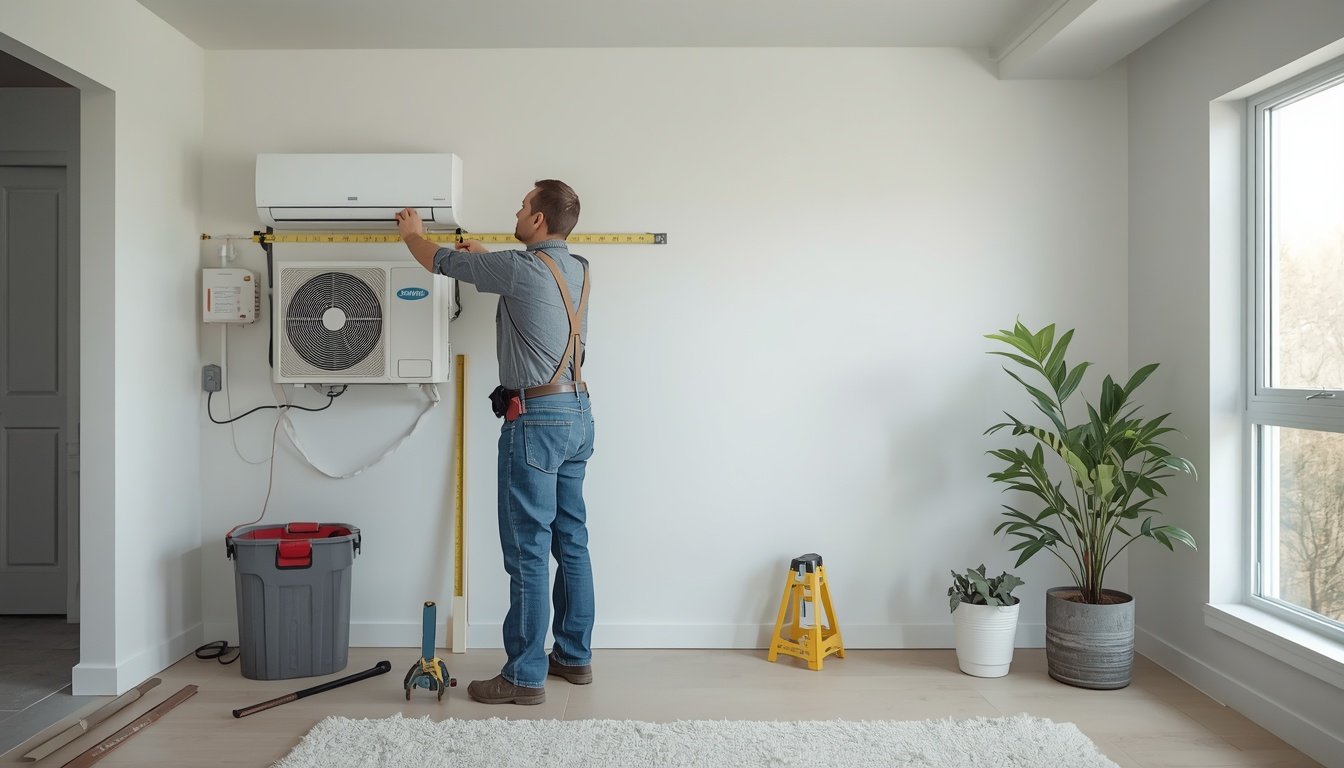
Installing a garage heater generally costs between $700 and $3,000, with most homeowners spending around $1,200 to $2,000 for a professional installation. The actual price depends on the heater type, fuel source, garage size, local labor rates, and extra modifications such as venting, insulation, or new gas/electric lines. Understanding these elements is essential before proceeding, so you get effective heating without spending more than necessary.
Why It Matters
The cost of installing a garage heater can quickly exceed expectations if you overlook key variables. For example, an oversized or undersized unit can lead to inefficient heating and higher bills. If your garage isn’t insulated or requires electrical or gas upgrades, the installation cost rises. Matching the right heater type to your specific situation not only controls your upfront expense, but also future operational costs and comfort levels.
It’s also important to look beyond the sticker price. Safety, code compliance, and potential resale value all play a role. In some areas, improper installation can void insurance coverage or lead to fines. A well-chosen system, professionally installed, protects your investment while delivering reliable climate control.
Most Important Features to Prioritise
Before committing to a garage heater installation, focus on what influences both immediate cost and long-term value. Not all features have the same impact on performance or running costs, so prioritizing can save you money and hassle over the lifespan of your heater.
- Heater Type & Fuel Source: Electric, natural gas, and propane heaters each have different purchase and installation costs. Gas units may need venting and gas lines, while electric units can require electrical upgrades.
- Heating Capacity (BTU or kW): Sizing the heater properly to your garage ensures efficient operation. Undersized units won’t keep up in cold weather; oversized ones waste energy.
- Installation Complexity: Adding vents, gas lines, or dedicated circuits increases labor time and cost. The need for wall or ceiling mounting also affects pricing.
- Thermostat Compatibility: Accurate controls can help maintain comfort and avoid unnecessary heating costs.
Paying attention to these features helps you judge the installation quote more confidently. You’ll also know where it’s worth spending for better performance, and where simpler options may be perfectly suitable. Balancing these priorities can keep operating costs low, extend equipment life, and ensure your garage stays comfortable in extreme temperatures.
Features That Matter Less for Most People
Some heater options and add-ons can increase project cost without adding much value to most garages. While they may have a place for specific needs or preferences, these typically aren’t where most people should focus their budget for a standard installation.
Premium exterior finishes, smart home integrations, and Wi-Fi controls are examples of advanced features that can be tempting. For most households, a basic thermostat is sufficient, and extra connectivity won’t have a noticeable effect on day-to-day usage. Similarly, extremely high-end air filtering or purification upgrades usually aren’t needed unless you have special air quality concerns in the garage. Investing in oversized control panels or additional backup systems rarely pays off unless you’re using the space for specialty purposes.
By sticking to proven, essential functions, you can avoid higher initial quotes and reduce future maintenance headaches. Most of your budget is better spent on capacity, efficiency, and safe installation rather than add-ons that rarely get used.
How to Match Features to Your Situation
The best way to control your garage heater installation cost is to tailor the features to your usage, climate, and space requirements. Start by assessing the level of use—will you heat the garage occasionally for DIY projects or regularly for a workshop, gym, or storage with strict temperature needs?
If your garage is large or uninsulated, you may need a higher-capacity heater and consider insulation as part of your overall investment. For attached garages, efficiency and air quality are especially important. Evaluate your existing infrastructure: Does your garage already have a suitable electrical panel or gas line? If not, installation will require more work and a higher budget.
Those in colder climates, or with larger garages, may find gas heaters most effective. If you need details on selecting the right model for a sizable space, check the best gas unit heater guide for an in-depth look at sizing and options. Making these decisions early ensures you only pay for features you’ll actually use, rather than overinvesting upfront or underestimating total costs.
For a closer look at the output, venting requirements, installation considerations, and buyer fit, read our Mr. Heater MHU125NG 125K BTU Unit Heater review.
Final Thoughts
Garage heater installation costs go far beyond the base price of the unit. Labor, fuel source, needed upgrades, and your garage’s unique characteristics all play into the final bill. By prioritizing core features and only adding extras you’ll use, you can get reliable garage heating without overspending.
Take time to compare installer quotes, ask the right questions, and favor practical over flashy upgrades. A careful upfront approach balances comfort, safety, and long-term value, keeping your garage functional and affordable to heat year after year.