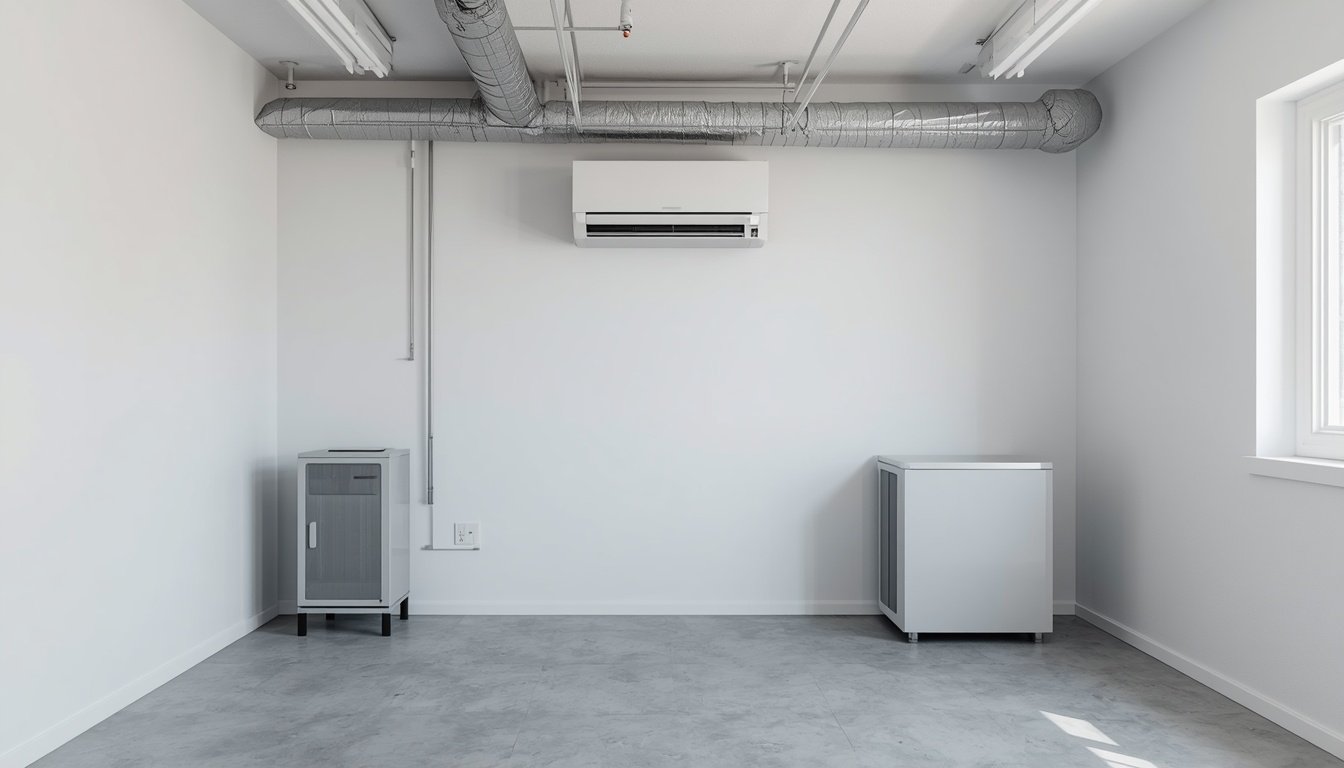
Common HVAC problems usually point to deeper issues with temperature control, airflow, or energy efficiency. The most frequent symptoms include strange noises, weak airflow, uneven cooling or heating, and unexpected shutdowns. Many of these can be traced back to filter clogs, thermostat faults, or electrical problems, so learning to identify these signs quickly can prevent more serious system failures. For a more in-depth solution approach, refer to our HVAC troubleshooting guide for practical steps to resolve and prevent issues.
Unusual Noises: What They Can Indicate
Noises coming from your HVAC system often signal that something is wrong. Rattling, banging, hissing, or grinding sounds are never normal, even with older, heavy-duty units. Rattling usually indicates loose parts, such as screws or brackets. Left unaddressed, these can work their way free and cause damage to moving components.
Banging noises may suggest a failing motor or an unbalanced blower. If the fan blades are striking some obstruction, this sound is especially common. Grinding noises, on the other hand, can point to worn-out bearings or a failing motor—issues that require urgent attention to prevent overheating or failure.
Hissing noises should raise a red flag about refrigerant leaks or pressure loss in ductwork. Leaks lead to reduced system efficiency and can damage the equipment over time. In nearly all cases, unusual sounds are a reliable sign that maintenance or repairs are necessary. Addressing these problems early could prevent much larger expenses later on and extend your HVAC system’s overall lifespan.
Poor Airflow and Uneven Temperatures
Poor airflow is a common complaint in large homes or commercial settings with extensive ductwork. If some rooms feel stuffy while others remain comfortable, obstructions or leaks in the ducts are often responsible. Dirty or clogged filters block regular air movement, preventing the system from distributing conditioned air evenly.
Another culprit is a failing blower motor, which can severely restrict the volume of air pushed through the system. Sometimes, interior damper settings can be accidentally altered, reducing flow to one part of the building. Blocked vents or furniture placed too close to a return can also stifle circulation.
Uneven temperatures suggest the thermostat may not be reading conditions accurately. Multizone systems can especially suffer from incorrect sensor placement or malfunctioning dampers. Addressing these issues will help maintain consistent comfort throughout the home and often lower your energy costs by reducing unnecessary system strain.
Most Frequent Causes of HVAC Malfunctions
- Dirty air filters reducing airflow
- Thermostat malfunctions or incorrect settings
- Electrical connection problems
The majority of HVAC failures are surprisingly preventable. The most common issue, dirty air filters, restricts airflow and forces the system to work harder, leading to overheating or short cycling. Changing filters regularly is a simple and effective way to avoid this.
Thermostat malfunctions or incorrect settings are often overlooked. Whether due to dead batteries, misprogramming, or a faulty sensor, inaccurate temperature readings can send confusing signals to your system. This results in improper cycles, discomfort, or higher bills.
Electrical connection problems may cause frequent system shutdowns or sudden resets. Wiring that becomes loose over time, tripped circuit breakers, or worn contactors all impact reliability. Periodic inspections by a qualified technician will catch most of these issues early, ensuring continuous operation and safety.
Frozen Coils and Refrigerant Leaks
Frozen evaporator coils are a sign the system is struggling to maintain proper airflow or refrigerant levels. The two most likely causes are airflow disruptions—either from blocked filters or broken fans—and low refrigerant due to leaks. When coils freeze, the system can’t extract heat efficiently, causing temperatures to rise inside your home even while the unit continues to run.
Refrigerant leaks are particularly serious. Not only do they reduce cooling capacity, but they can harm the compressor if the system runs undercharged for too long. Leaks are sometimes detected by a faint chemical smell or visible frost on the lines. Some signs are less obvious, such as longer cooling cycles or warm air coming from vents.
If you suspect either frozen coils or a refrigerant leak, it’s important to turn off your system and call a professional. Attempting to scrape frost off yourself can damage the coil. Early intervention typically saves on more costly repairs and preserves system efficiency over the long term.
Signs It’s Time to Call a Professional
- Repeated short cycling or complete shutdowns
- Strange odors—burning, musty, or chemical smells
- Visible water leaks or persistent humidity issues
Repeated short cycling, where your system turns on and off rapidly, almost always points to a deeper problem. This could be a thermostat fault, restricted airflow, or even control board malfunction. If your system shuts down entirely or won’t start, it’s time to seek professional help.
Unusual odors can suggest a range of trouble. A burning smell signals electrical issues, while musty aromas point toward mold or bacteria inside ductwork or coils. Chemical odors may indicate a dangerous refrigerant leak.
Moisture problems, such as unexplained puddles or persistent humidity, might mean clogged drain lines, broken pumps, or seal failure. These issues typically exceed DIY repairs and should be quickly evaluated by a licensed technician to prevent property damage and health risks.
Routine Maintenance: Preventing Major Issues
Regular maintenance is your best defense against most HVAC headaches. Scheduling annual tune-ups lets professionals check refrigerant levels, inspect wiring, and thoroughly clean coils and blower assemblies. This keeps your system running safely and efficiently for years to come.
Homeowners can help by replacing filters every month or two and visually checking outdoor units for debris. Keeping vents clear and confirming that your thermostat is functioning properly will also help catch trouble early. If you’re unsure about what steps to take, refer to an expert-maintained checklist or follow comprehensive resources for system care.
Ultimately, being proactive with simple upkeep minimizes surprise breakdowns and maintains the comfort of your home. Following well-established maintenance practices can make a significant difference in monthly energy costs and extend equipment longevity. For detailed advice on preventative tasks, always consult reliable resources or a trusted HVAC professional.