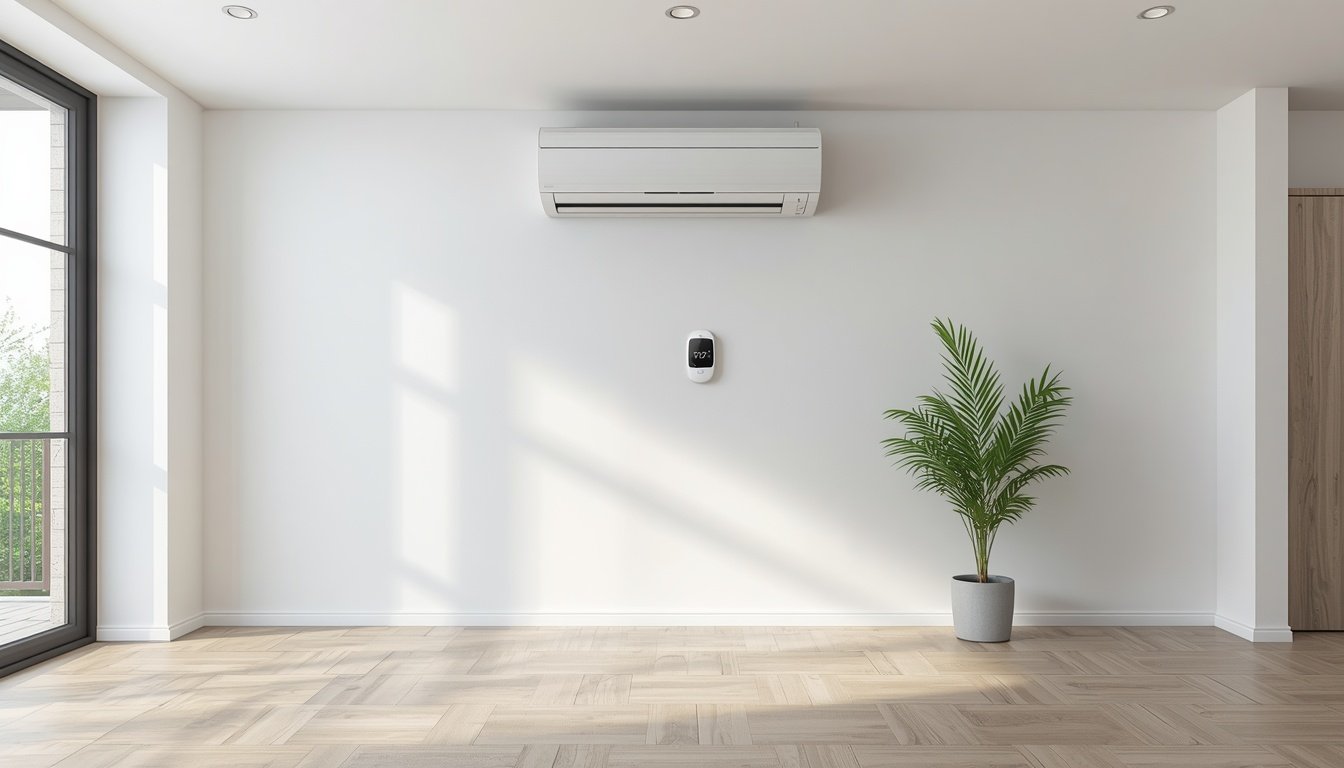
To keep your mini split running efficiently, clean its filters every few weeks and replace them if you see tearing or wear. Open the indoor unit’s front cover, gently remove the filters, and wash them with lukewarm water. Let the filters air-dry fully before reinstalling. This routine prevents dust buildup, increases energy efficiency, and keeps your air clean. Ignoring maintenance can clog your system, reduce cooling, and hike energy bills.
When and How to Clean Mini Split Filters
Mini split filters should be cleaned about every 2–4 weeks, or more often if your home has pets, high traffic, or dust. To do this safely, turn off the system and unplug it. Open the front panel by pulling at its designated tabs. Carefully slide out the filters without bending them.
Rinse each filter with lukewarm water, gently rubbing with your hands to dislodge dirt. Avoid using harsh detergents, as these can damage filter fibers. Once clean, set the filters aside to air dry—do not reinstall them while wet, as moisture can lead to mold growth inside the unit.
After the filters are completely dry, place them back in their original positions and close the panel. Turn the system on and check for proper airflow. Clean filters are key to smooth operation and better indoor air quality.
Signs a Filter Needs Replacement
- Visible tears, holes, or significant fraying on the filter mesh
- Decreased airflow even after washing the filter thoroughly
- Persistent odors coming from the indoor unit
- Notable dust buildup on surfaces, despite regular cleaning
- Discoloration or filter material that feels brittle or weak
Any of these symptoms mean it’s time to get a new filter. Damaged or degraded filters are less effective and can’t trap dust efficiently. Most mini split systems have easy-to-source replacement filters; check your owner’s manual for part numbers or compatible options. Prompt replacement avoids strain on the unit’s fans and motors, helping extend system lifespan. Routine inspection prevents problems and maintains your system’s performance for years.
Deep Cleaning Tips and Preventive Care
While regular filter cleaning is essential, a deeper clean every few months keeps your mini split at peak efficiency. Using a soft brush, gently wipe away dust from the evaporator coils and fan blades, taking care not to damage the delicate fins. For stubborn grime or mildew inside the unit, specialty mini split cleaning sprays can help—always follow manufacturer recommendations to avoid corrosion.
Check the outdoor condenser too. Clear debris like leaves and dirt to ensure stable airflow. Clean the drain line to prevent clogs and water leaks. For persistent issues with odors, low performance, or odd noises, consider professional servicing. Service technicians can inspect refrigerant lines, electrical connections, and other parts that impact air quality and unit lifespan.
If you’re unsure about any maintenance step, review your specific model’s manual and safety guidelines. For a comprehensive resource, see this HVAC maintenance and troubleshooting guide. Routine care is the best way to avoid expensive repairs and help your mini split run smoothly for years to come.