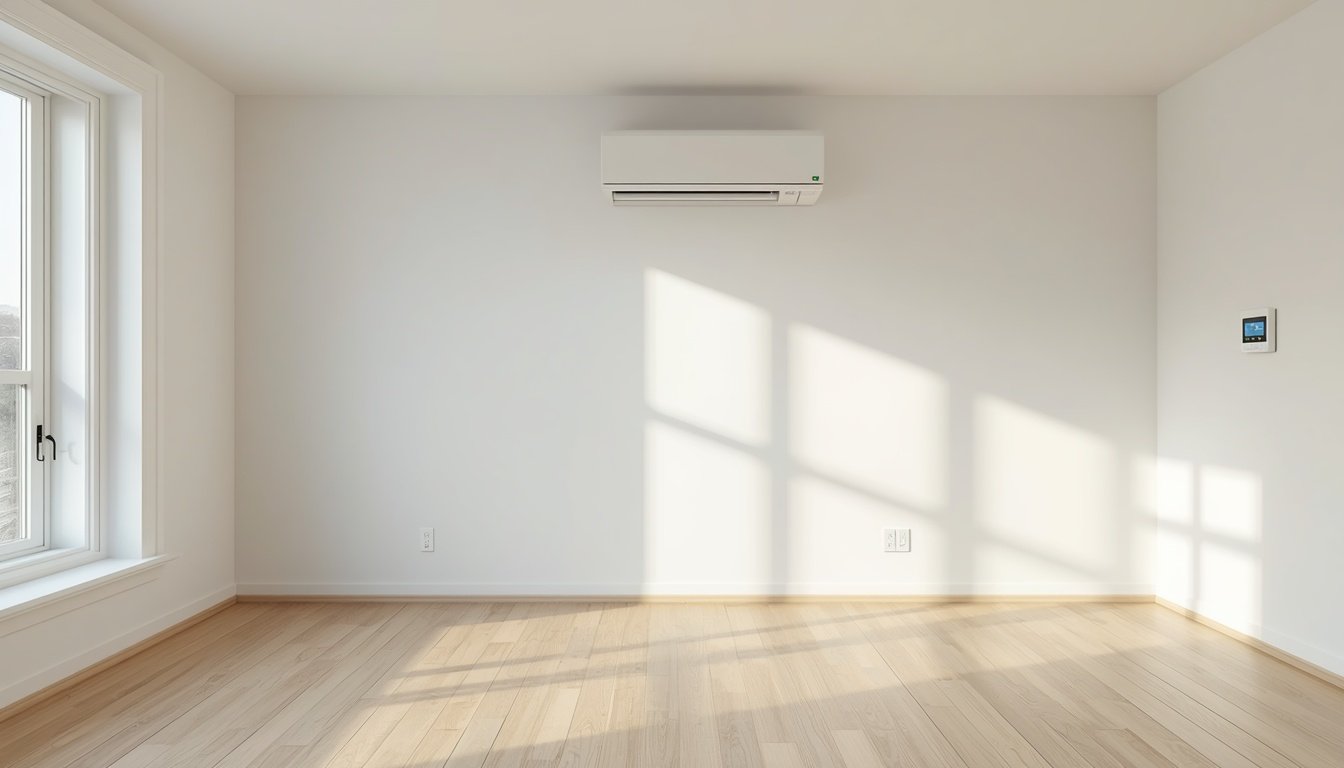
Whole-home climate control systems manage temperature, humidity, and air quality throughout the entire house, while room appliances offer these same functions but only for individual areas. For most homeowners, whole-home solutions provide consistent comfort, greater efficiency, and long-term value, although they require more investment upfront. In contrast, portable or window room appliances provide flexible, localized cooling or heating, but often with higher ongoing energy costs and less comprehensive results. Choosing between these options depends on your needs, the size of the space, and your budget. For a detailed breakdown of how these two approaches compare, it’s helpful to understand how whole-home climate control systems work and how they stack up against single-room units.
Coverage and Consistency
Whole-home climate control systems are designed to address every room at once, delivering uniform comfort no matter where you are in the house. Central heating and cooling units, often ducted, seamlessly distribute air so temperature and humidity remain stable in living rooms, bedrooms, hallways, and even basements.
This level of consistency is often unmatched by room appliances. Portable air conditioners, electric heaters, and dehumidifiers may do an excellent job in a single space but can’t reach other rooms. As a result, hot and cold spots or varying humidity levels are common in homes relying solely on stand-alone units.
In larger homes or those with open floor plans, centralized systems truly stand out. Everyone, in every space, experiences the same level of comfort, eliminating the need to move devices from room to room. In contrast, using multiple room appliances not only clutters living areas but can result in uneven or inefficient coverage.
This comprehensive approach is the main reason many homeowners opt for whole-home systems, particularly when upgrading or building new. It ensures no space is left uncomfortable or neglected, an essential benefit for families and anyone seeking total control over their indoor environment.
Installation and Initial Cost
Room appliances typically appeal due to their simplicity and low upfront price point. Most plug right into a wall socket without the need for professional help, which is ideal for renters, college students, or those needing immediate relief in a particular space. This can make room-based solutions very attractive for short-term scenarios.
Conversely, whole-home systems require a professional installation, which means assessing ductwork, the electrical panel, and even making structural modifications. Things like central air conditioning, forced-air heaters, or whole-home dehumidifiers represent a significant investment and may require several days, or even weeks, to install fully.
While the initial outlay is higher for whole-home solutions, these investments tend to pay off over time due to better efficiency and lower energy usage. However, the price barrier up front can be a hurdle, especially for people looking for quick and easy fixes. That’s where single-room appliances offer a distinct advantage, allowing consumers to pick exactly what they need, when they need it, for less commitment.
The decision often depends on budget, living situation, and whether you see your climate control needs as temporary or permanent.
Efficiency and Energy Use
Whole-home systems are almost always more energy efficient when maintaining consistent temperatures across large spaces. These systems leverage advanced thermostats, zoning, and integrated controls to minimize wasted energy. For example, a properly zoned home climate control structure can avoid over-conditioning rarely used areas, saving significant power and money in the long run.
Room appliances may promise efficiency for the small spaces they cover, but using several units at once can end up increasing your overall household consumption. Standing or window units often run longer and at higher settings, especially if doors remain open or insulation is poor. Their localized operation means more starts and stops, which reduces their overall efficiency.
Central systems often come equipped with programmable thermostats or smart controls. These let users schedule cooling or heating for different times of the day, further improving performance. Additionally, many new whole-home options now offer variable-speed fans and compressors, adapting precisely to your home’s real-time needs.
The difference becomes more pronounced in homes above 1,000 square feet or those with multiple stories, where single-room units simply can’t compete with the integrated design and efficiency of a centralized system.
Flexibility and Control
- Whole-home systems can integrate advanced zoning controls
- Room appliances offer immediate, manual adjustments per space
- Smart tech and automation are becoming standard for both options
Flexibility is one area where both systems provide unique advantages. Centralized systems increasingly feature smart thermostats and zoning technologies, allowing households to tailor temperatures by room, schedule, or even occupancy. Homeowners can make adjustments remotely, automate routines, or set preferences for different family members.
At the same time, individual room units let users quickly respond to immediate needs. If one person wants extra cooling or heating in a bedroom or office, it’s as simple as turning on an appliance—no reprogramming or waiting for a centralized system to adjust the whole house climate.
Technology is narrowing the gap with smart plugs, remote controls, and Wi-Fi features available even for basic appliances. Still, a whole-home system’s integration with broader home automation platforms gives it an edge if you want “set it and forget it” comfort for the entire household. Ultimately, your choice depends on whether you prefer quick, on-demand changes or a technology-driven, centralized approach.
Maintenance and Lifespan
- Central systems require regular professional servicing
- Room appliances generally demand more frequent DIY upkeep
- Whole-home climate systems last longer on average
Maintaining home comfort isn’t just about installation or operation but also long-term care. Centralized systems must be professionally serviced—typically yearly or semi-annually—to ensure optimal operation and catch any early signs of trouble. While this involves cost and scheduling, it results in fewer breakdowns and a longer overall lifespan.
Room appliances need their own upkeep, with most calling for filter changes, draining, or dusting every few weeks. Neglecting this can mean poor performance or even safety hazards. Additionally, these smaller units often have a shorter expected service life—sometimes just a few seasons before repair or replacement becomes necessary.
The initial investment in a whole-home setup is spread across a longer period, making it a better value for those planning to stay in one place. Meanwhile, room appliances are ideal for temporary or supplementary use, but their lower upfront price is offset by more frequent replacements and higher per-room maintenance demands.
Making the Right Choice for Your Home
The decision between a whole-home climate solution and a set of room appliances depends on factors like house size, personal comfort needs, and budget. If you want seamless, consistent climate control for every room, prefer smart tech integration, or are planning for the long term, a whole-home system is a clear winner.
On the other hand, small apartments, rentals, or unique living arrangements sometimes call for the flexibility and portability of room appliances. These can be the right call for one-room needs, supplemental cooling or heating, or households that move frequently.
Weigh your priorities: comfort versus cost, convenience versus investment, and flexibility versus stability. Take the time to assess how much of your home truly needs active climate management and whether installation or maintenance logistics will be a challenge. Consider consulting a professional for larger homes or renovations, or start with one or two high-quality appliances to test what works best in your space.