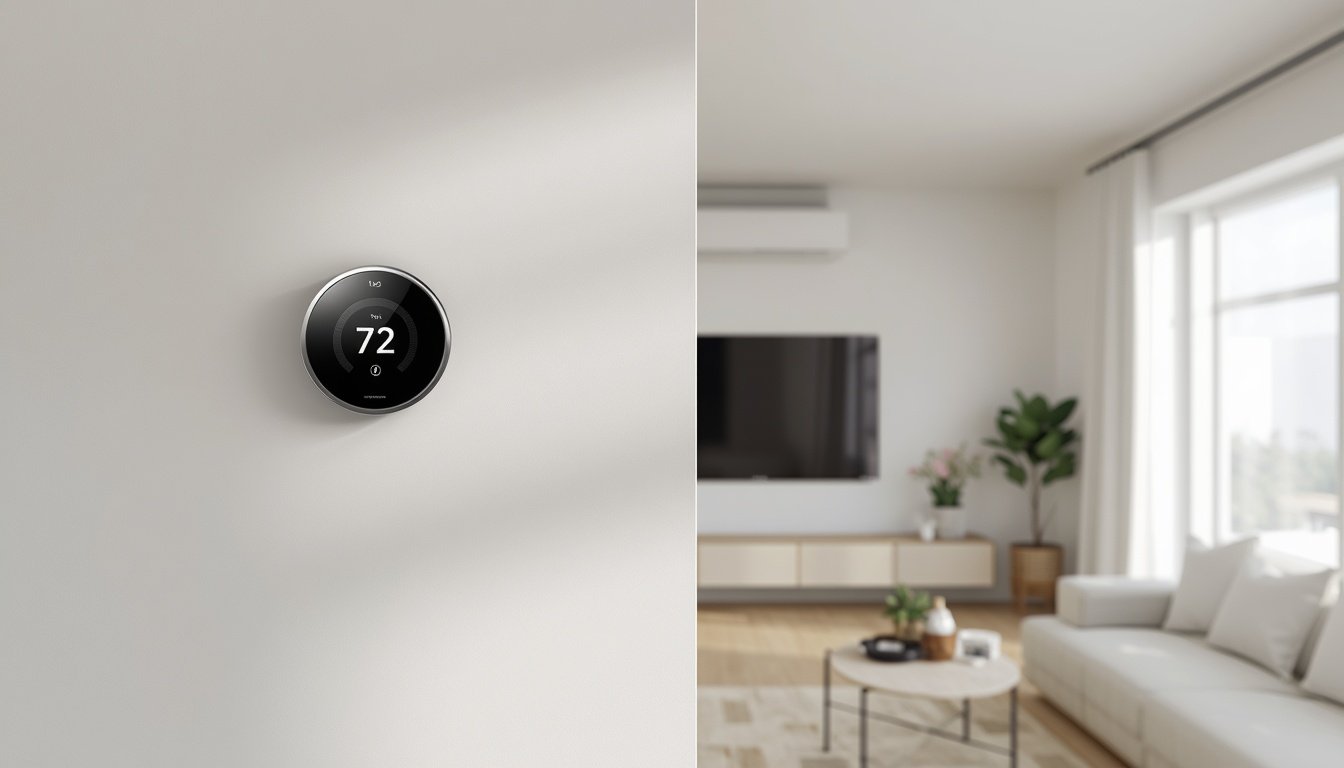
A whole-home climate control system is a centralized solution that manages temperature, humidity, and air quality throughout every room of a house. Unlike basic HVAC setups or portable units, it automatically maintains consistent comfort across all living areas with little manual intervention. This means users don’t have to adjust separate thermostats or devices in each room—the system adjusts conditions from a single control point, ensuring even heating, cooling, and air distribution.
Core Components and How They Work Together
Whole-home climate control systems integrate several components into one cohesive network. The main parts typically include a central air handler or furnace, ductwork, a high-efficiency air conditioner or heat pump, programmable thermostat, advanced filtration, and sometimes humidity control devices. These work in sync, monitoring indoor conditions via sensors and adjusting climate settings automatically to achieve the desired comfort level.
Zoned systems are a common feature, allowing separate temperature zones within the same house. This zoning is controlled by motorized dampers within the ductwork, directing airflow only where it’s needed. Modern systems often support smart home integration, which can learn user habits, enable remote adjustments via smartphone, and optimize energy use. As all equipment is designed to work together, these systems respond quickly to changes, eliminating hot or cold spots and enhancing indoor air quality for the entire household.
Main Benefits of a Whole-Home Climate Control Solution
- Consistent temperature and humidity in every room
- Improved air quality from advanced filtering and ventilation
- Energy efficiency through automation and zoning
- Convenience—control the entire home with one interface
- Quieter operation compared to multiple standalone units
These benefits make a whole-home climate control system a practical upgrade for bigger homes, multi-story residences, and anyone seeking comprehensive indoor comfort. The result is peace of mind: balanced comfort, less manual adjustment, and lower energy bills thanks to system efficiency. By investing in one centralized solution, homeowners avoid the hassles and inconsistency of relying on separate or window-based devices. It’s a long-term approach to optimized living conditions for the whole household, all year round.
Choosing and Maintaining the Right System
When deciding on a whole-home system, consider factors like home size, layout, insulation quality, and local climate. Professional assessment helps determine the required system capacity and features, such as zoning, programmable controls, and specific filtration needs. Installation should always be performed by licensed technicians who understand integration with existing ductwork and smart home devices.
Ongoing maintenance keeps the system reliable and efficient. This includes replacing filters, scheduling seasonal inspections, and updating thermostat settings as seasons change. Homeowners can often manage basic filters and thermostat programming, but more complex tasks—like ductwork cleaning or sensor calibration—are best left to qualified service professionals. For a detailed breakdown of options, configurations, and system types, see the guide on whole-home climate control systems. With the right planning and upkeep, these solutions deliver long-term comfort and energy savings without the hassle of multiple devices or uneven room conditions.