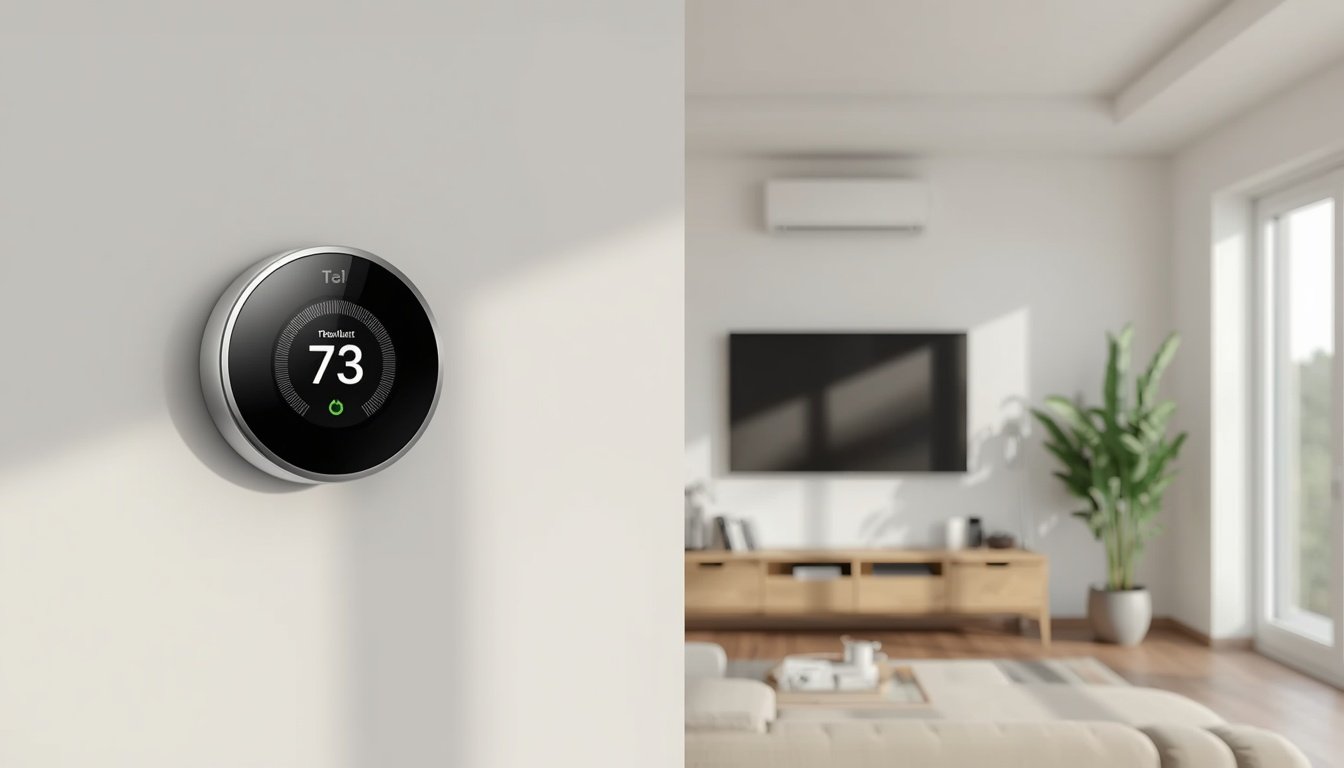
A mini split system can cool anywhere from one room to an entire home, depending on its design and capacity. Single-zone mini splits are meant for one room, while a properly-sized multi-zone system can cool between two and eight rooms. The maximum number of rooms you can cool effectively depends on the number of indoor units and the capacity of the outdoor compressor.
Understanding Mini Split Zones and Configurations
A key factor in how many rooms a mini split can cool is the number of zones, which refers to separately controlled indoor units. A single-zone mini split connects one indoor unit to one outdoor unit, perfect for a single room like a bedroom or office. Multi-zone systems, however, allow multiple indoor units to run off a single outdoor compressor. These are designed to handle multiple rooms or a small open-concept floor plan.
Most residential multi-zone mini split systems can support between two and five indoor units, but some advanced systems can connect up to eight. Each unit can be individually controlled, letting you set different temperatures for each space. This flexibility is ideal if you want to cool several bedrooms, a living room, and perhaps a home office, all with one system.
The number of rooms a mini split can cool efficiently depends not just on the number of indoor units, but also on their placement and the thermal demands of each space. For best performance, match system size and configuration to your home’s layout and your cooling needs.
Factors That Determine Mini Split Coverage
The effective coverage of a mini split system depends on several important factors, not just the number of zones. System capacity, measured in BTUs, determines how much cooling each unit can provide. If you oversize or undersize a unit for a room, you risk poor performance or inefficient energy use. Room size and insulation also matter—larger spaces, high ceilings, and poorly insulated rooms require more cooling power.
Airflow between rooms is another consideration. Mini splits are typically designed to cool the room where the unit is installed. Unless you have an open floor plan or excellent airflow between rooms, a single indoor unit will not effectively cool adjacent spaces. For separate, enclosed rooms, each typically needs its own dedicated unit for optimal results.
Finally, manufacturer limits play a role. Each outdoor compressor has a maximum number of indoor units it can power, and exceeding these guidelines will lead to system strain. To maximize comfort and efficiency, consult a professional and consider a multi-zone mini split system designed for multiple rooms.
Quick Checklist: Optimizing Your Mini Split for Whole-Home Cooling
- Count the rooms you want to cool and their square footage.
- Choose the right system capacity in BTUs for each space.
- Consider separate indoor units for enclosed rooms.
- Check the maximum zone support of your chosen mini split model.
- Work with a pro for layout and installation planning.
Following these steps ensures your mini split can effectively cool every intended room. Matching the system’s capacity and zone count to your home prevents hot spots and helps manage energy costs. Room count, proper sizing, and smart placement of each indoor head are crucial. Especially in larger or more complex homes, a professional installer can make sure your system meets your expectations for comfort and performance while avoiding common pitfalls of DIY over- or under-sizing.