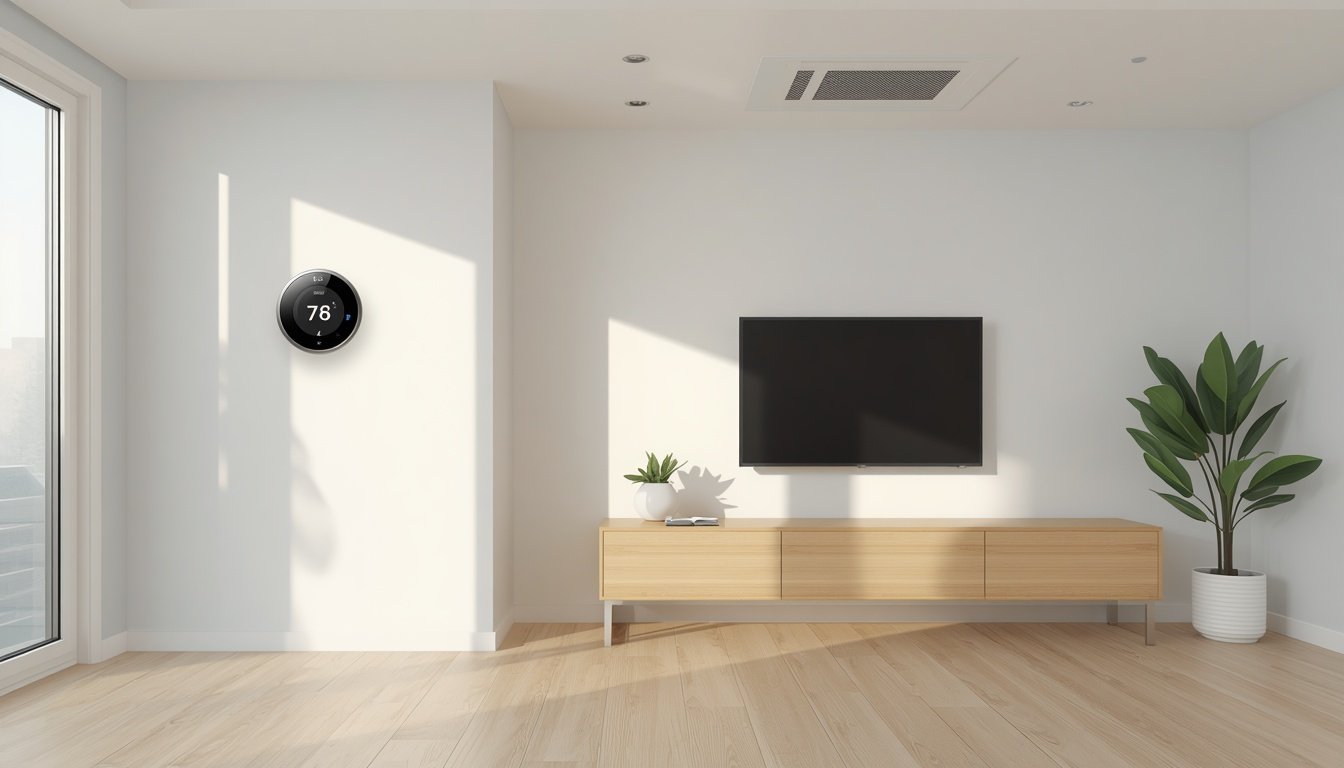
Most homes need a larger climate control system when their current unit can no longer keep up with temperature demands, results in uneven heating or cooling, or shows signs of running almost constantly. If your home feels uncomfortable despite high energy bills, or if rooms stay too hot or too cold, your system is likely undersized. Taking action prevents future breakdowns and helps keep your indoor environment comfortable year-round.
Common Signs Your Home Needs a Bigger System
Uneven temperatures across different rooms are a key indicator that your climate control system is too small for your space. If some areas remain chilly in winter or sweltering in summer while others are comfortable, the system may not have enough power to circulate air effectively. This is especially noticeable in large homes, homes with additions, or buildings with multiple floors.
Constant system cycling is another warning sign. Units that run almost all day without reaching set temperatures are often struggling to meet household demands. You may notice increased noise, higher wear-and-tear, or persistent humidity issues as well.
Older or upgraded homes often need reassessment. Changes like finishing a basement, adding living space, or improving insulation can all shift the demands placed on your HVAC system. If you’ve remodeled or expanded, your existing setup may be outdated for the new layout.
Key Factors That Determine System Sizing
Several factors must be considered when determining if you need a larger climate control system. The total square footage of your home is crucial, but not the only factor. Ceiling height, window size and placement, and insulation quality all influence how much heating or cooling capacity is needed.
Climate zones also play a significant role. Homes in extremely hot or cold regions require systems with more power to maintain indoor comfort. Additionally, households with numerous appliances, electronics, or large families may create extra heat loads that strain a standard system.
Future plans matter, too. If you intend to remodel, build an addition, or finish an attic, plan ahead for increased demand. Consulting with an HVAC specialist can help assess both your current and potential future needs to avoid under-sizing.
When to Consult a Professional
- Persistent temperature imbalances throughout your home
- System runs nonstop but areas never feel truly comfortable
- Energy bills have risen with no clear explanation
- Remodeling, adding square footage, or finishing basements/attics
If you notice any combination of these signs, a professional assessment is essential. HVAC experts can perform load calculations based on your home’s specifics and local climate. This ensures you choose a system that matches your actual needs, not just square footage. Investing in the proper size and type of system can lower utility costs, enhance comfort, and extend equipment lifespan. A proactive approach protects your investment and keeps your indoor climate reliably stable.