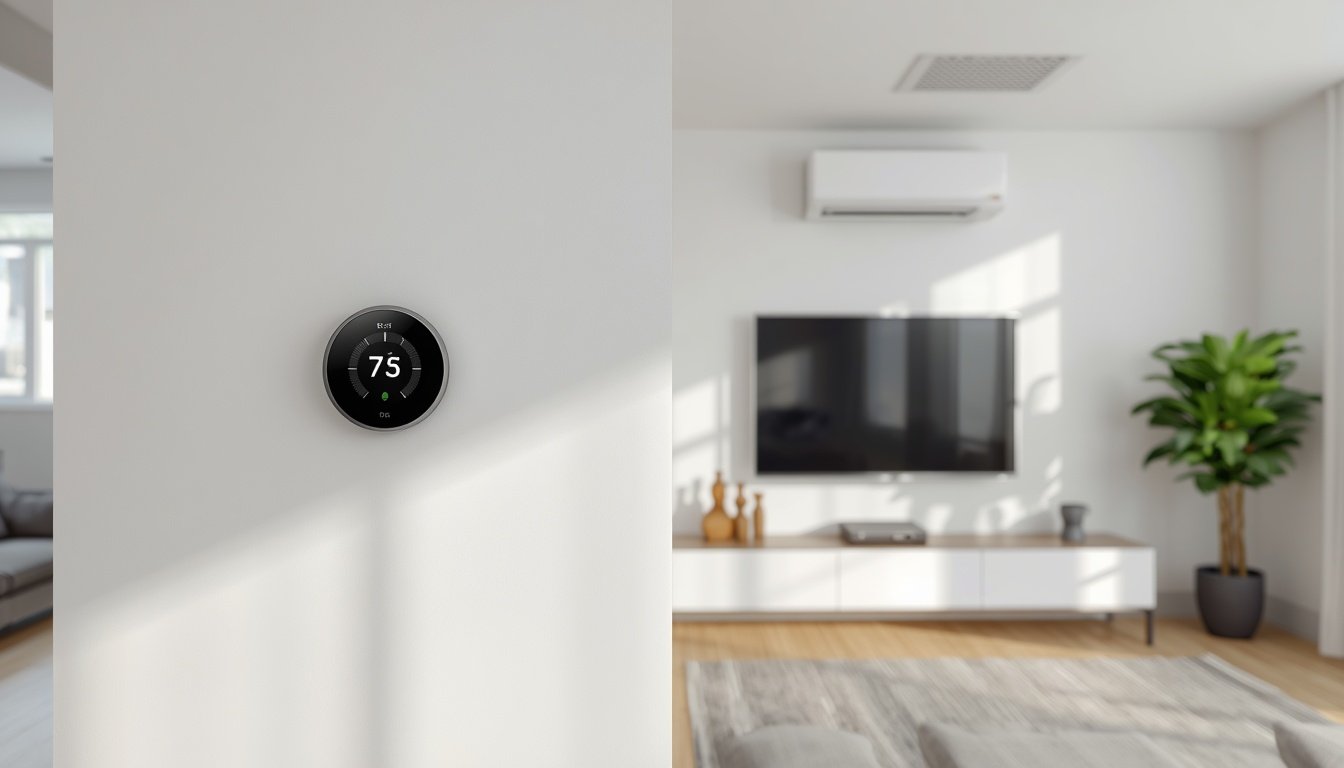
Automating climate control in large or multi-story homes involves a few key steps: install separate smart thermostats or sensors for each zone, ensure your HVAC system supports zoning, and connect everything to a centralized control platform. This setup lets you manage temperature, humidity, and air quality for each area, avoiding hot or cold spots and saving energy. Even if your house is sprawling or has multiple floors, these methods ensure comfort and efficiency throughout without the hassle of manual adjustment.
Core Technologies for Automated Climate Control
Large and multi-story homes need climate control systems that can handle variations in temperature across different zones. The primary technology behind effective automation is a zoned HVAC system, which divides the home into separate areas. Each zone is controlled independently for precise comfort.
Smart thermostats play an essential role in this setup. Many models can manage multi-zone HVAC configurations, allowing you to set different schedules or temperatures for each floor or area. Some advanced sensors even monitor factors like occupancy and humidity.
Centralized platforms tie the system together. These are often app-based, providing a single interface to control the entire home’s environment. Integrating additional features such as automated blinds or humidity controls can further enhance system performance. Connectivity—through Wi-Fi or smart home hubs—is critical to ensure all components communicate seamlessly and enable powerful automation routines that adapt to changing needs.
Practical Steps for Effective Automation
The first step is evaluating your current HVAC system’s zoning capabilities. If it isn’t already zoned, consider retrofitting dampers and separate duct controls to support multi-zone operation. Next, install smart thermostats—ideally, one per zone or floor. These let you program schedules and automate responses to both temperature and occupancy changes.
- Install smart sensors in key rooms to detect temperature differences.
- Use a centralized app or home automation hub to monitor and adjust zones remotely.
- Set automation rules for events like sunrise, bedtime, or when rooms are unoccupied.
- Integrate air quality and humidity sensors for enhanced comfort.
By strategically deploying these technologies, you can minimize manual intervention and adjust climate settings room by room. Automated schedules and responsive controls save energy while preventing uneven heating or cooling. Most importantly, this approach supports consistent, personalized comfort across a large or complex home layout, making the process straightforward for households of any size.
Addressing Challenges and Optimizing Results
One common challenge is keeping temperatures balanced between floors. Heat naturally rises, causing upstairs rooms to be warmer than downstairs. Smart zoning lets you compensate by selectively cooling or heating different levels based on real-time needs.
Connectivity dropouts can also disrupt automation. Ensuring robust Wi-Fi coverage or integrating wired connections when possible will improve reliability. It’s also important to regularly update software and check that all devices remain compatible as the system evolves.
For extra convenience, pair your automation setup with voice assistants or energy tracking dashboards. This allows granular control and visibility into system performance. For more in-depth strategies, including zoning tips and platform recommendations, see this guide on smart climate control for large homes. With these deliberate steps and careful maintenance, even the largest homes can achieve fully automated, energy-efficient climate management.