Ideal humidity for homes is between 30% and 50%. This range keeps the air comfortable while protecting against health concerns and property damage. Anything below or above this level can cause issues like mold, respiratory irritation, and damage to wood or electronics.
Why Home Humidity Matters
Humidity plays a significant role in indoor comfort and air quality. Low humidity, usually below 30%, can lead to dry skin, irritation of the nose and throat, and even increased static electricity. On the other hand, high humidity—over 50%—creates an environment where mold, mildew, and dust mites thrive. This can worsen allergies and damage your home’s structure.
Maintaining the right humidity level helps preserve hardwood floors, furniture, and musical instruments. Too much moisture can warp wood and promote rust or corrosion on electronics. During winter, heated indoor air tends to become dry, so adding moisture may be necessary. In summer, excess humidity can make your home feel stuffy and uncomfortable, increasing reliance on air conditioning. Monitoring and regulating humidity supports both health and preservation of your belongings, making it a central part of home climate control.
How to Measure and Control Home Humidity
Measuring your home’s humidity is simple with a digital hygrometer, which gives instant readings of relative humidity. Place hygrometers in several rooms, especially basements and upper stories where humidity often fluctuates. If readings consistently fall outside the 30–50% range, you may need to adjust your systems.
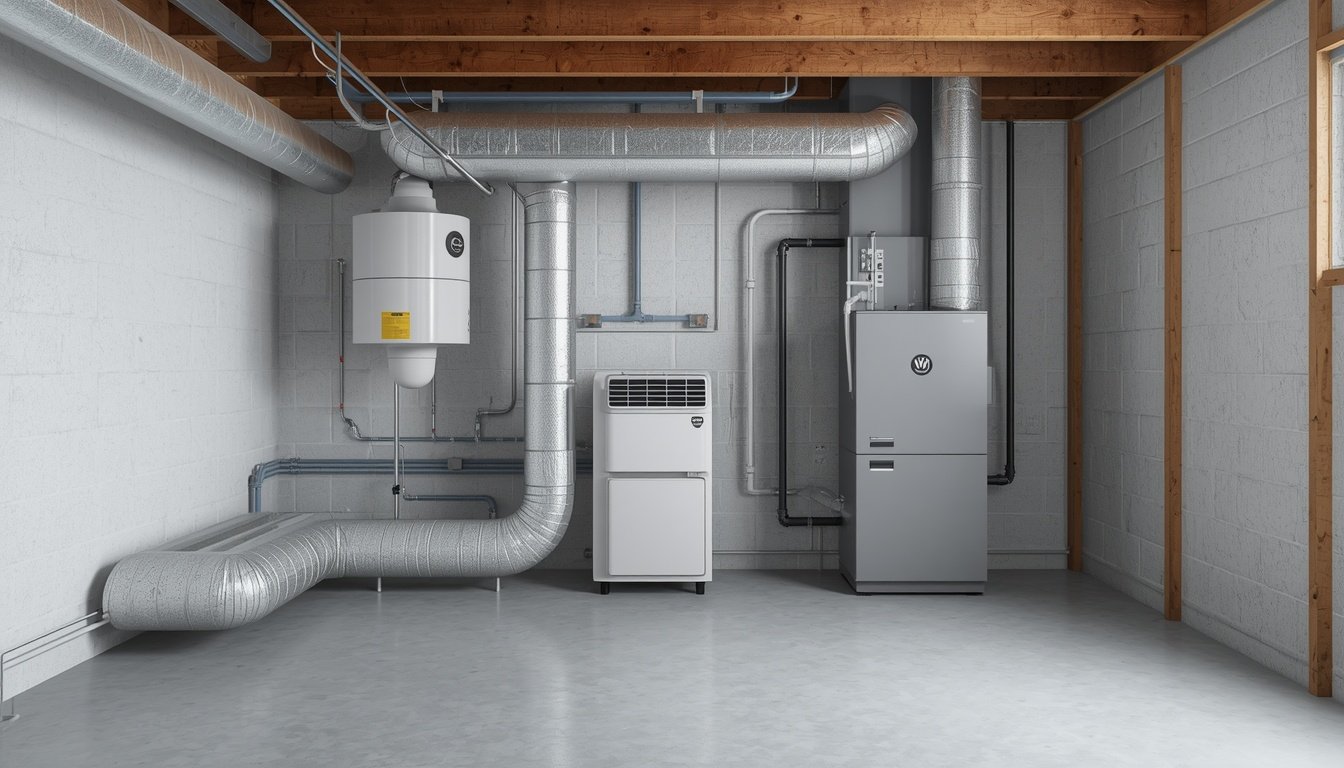
To lower humidity, use exhaust fans in kitchens and bathrooms, seal leaks, and consider installing a whole-house dehumidifier. To raise humidity, portable or whole-house humidifiers are effective. Modern HVAC systems often offer integrated options for humidity regulation and air purification. Smart thermostats and home automation systems can provide alerts or make automatic adjustments to keep humidity in check. For more comprehensive solutions, check out this guide on whole-house humidity control. Proactive humidity management ensures your home is always comfortable and protected.
Signs Your Humidity Needs Adjustment
- Condensation on windows or walls during colder months
- Visible mold or mildew growth, especially in corners and bathrooms
- Persistent musty or damp odors indoors
- Cracking wood floors, furniture, or peeling paint
- Increased allergy or respiratory symptoms in occupants
These signs point to a potential humidity imbalance requiring attention. Detecting issues early can prevent larger problems like structural damage or ongoing health complaints. If you observe any of these symptoms, first verify with a hygrometer, then adjust humidity sources as needed. Regular monitoring lets you address fluctuations due to seasonal or daily weather changes. Staying aware of these indicators keeps your indoor climate comfortable and safe year-round.