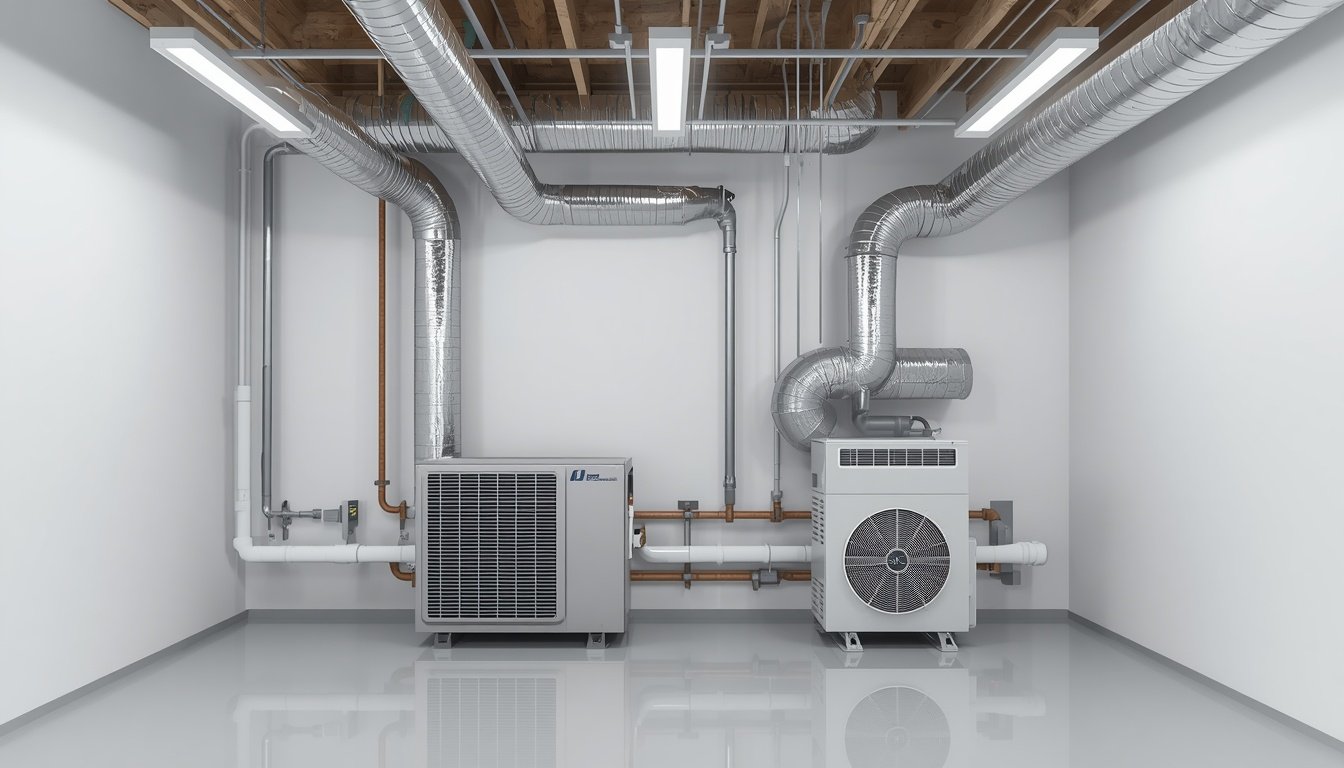
Understanding the full cost of an ERV or HRV system is key to making an informed decision for your home. The price isn’t just about the unit itself—installation, necessary upgrades, and your home’s specific requirements all shape the final tally. Evaluating these components early saves time, avoids costly surprises, and helps you set realistic expectations before choosing a solution.
Why It Matters
The cost of an ERV or HRV system directly impacts your project budget and the overall success of your indoor air quality upgrade. These systems aren’t one-size-fits-all; houses differ in size, design, and existing HVAC infrastructure. Overlooking any part of the cost equation can lead to wasted money, insufficient ventilation, or performance below what your home actually needs. Taking time to break down the investment helps ensure the climate control outcome truly matches your goals.
A clear cost understanding also helps you compare these systems to other options, such as a whole-house ventilation system, ensuring your choice is both cost-effective and appropriate for your home’s layout. Recognizing all the variables keeps the process practical and avoids regret later on.
Most Important Features to Prioritise
Prioritizing certain features when evaluating ERV/HRV systems is crucial for maximizing value. Not all additions contribute equally to performance or energy savings, so understanding where your money goes makes a significant difference.
- Core heat or energy recovery efficiency: This determines how much incoming air is pre-conditioned, directly affecting long-term comfort and energy bills.
- Capacity matched to your home’s footage: Undersizing or oversizing impacts both initial cost and ongoing air quality.
- Controls and automation: Timers, sensors, and smart controls can improve convenience and energy efficiency, offering better integration into modern smart homes.
- Sound levels: Quiet operation means you’ll actually use the system when you want it, especially in living and sleeping areas.
- Installation flexibility: Systems that suit existing ductwork or are designed for simple retrofitting can lower labor costs and speed up installation.
Prioritizing these essential features reduces the risk of underperforming ventilation, keeps operating expenses manageable, and delivers a consistent indoor environment. Investing in efficiency, capacity, and usability is usually more cost-effective over the lifetime of the system than focusing on niche or rarely used options.
Features That Matter Less for Most People
While ERV and HRV systems are available with many optional extras, not all of them make a difference for the average homeowner. Recognizing which features are less critical can help you avoid overspending without sacrificing performance.
Add-ons like advanced remote control panels, decorative vent covers, or custom hardware finishes often increase up-front cost but yield minimal practical benefit. Similarly, high-end filtration upgrades may not be needed in homes without substantial air quality concerns or for those already equipped with air purifiers. Extra operating modes (such as turbo or vacation settings) also tend to see little use in everyday life.
By focusing your budget on energy efficiency, core capacity, and effective control options, you avoid paying for extras that deliver little real-world value. Most homeowners find that sticking to the essentials results in a better balance between cost, usability, and long-term satisfaction.
How to Match Features to Your Situation
Your ideal ERV or HRV system will depend on the particulars of your space, climate, and expectations. To ensure you’re investing wisely, start with a clear assessment of your home’s size, insulation, and current HVAC configuration. Understanding these factors influences the system’s required capacity and the type of installation you’ll need.
Homes in humid or extremely cold regions benefit more from systems with advanced core efficiency, as they are better equipped to handle tough climate conditions. Older houses might require extra ductwork or electrical upgrades, which will add to installation costs but are essential for safe and effective operation. If your household is tech-focused, investing in automation or connectivity may be worthwhile, but for most, standard programmable controls are sufficient and cost-effective.
Consulting with a professional is often the most reliable way to match technical features to real-world needs. They can help identify potential hidden costs tied to your home’s structure or recommend system types best suited for your lifestyle. This approach helps avoid both overspending and under-equipping, leading to a smoother, more predictable outcome.
Final Thoughts
Breaking down the cost of a new ERV or HRV system means looking well beyond the price tag on the box. Installation charges, possible upgrades, local labor rates, and your home’s specifics all play significant roles. By focusing on must-have features like core efficiency, matched system size, and simple, effective controls, you optimize both upfront and ongoing costs.
Extras are tempting but seldom deliver lasting value for the typical homeowner, and understanding what truly matters helps you make a confident, well-informed choice. If you’re weighing other ventilation options, comparing them directly to a whole-house ventilation system can also clarify the right path for your home. Taking a careful, needs-driven approach leads to fewer regrets and a more comfortable, efficient result.