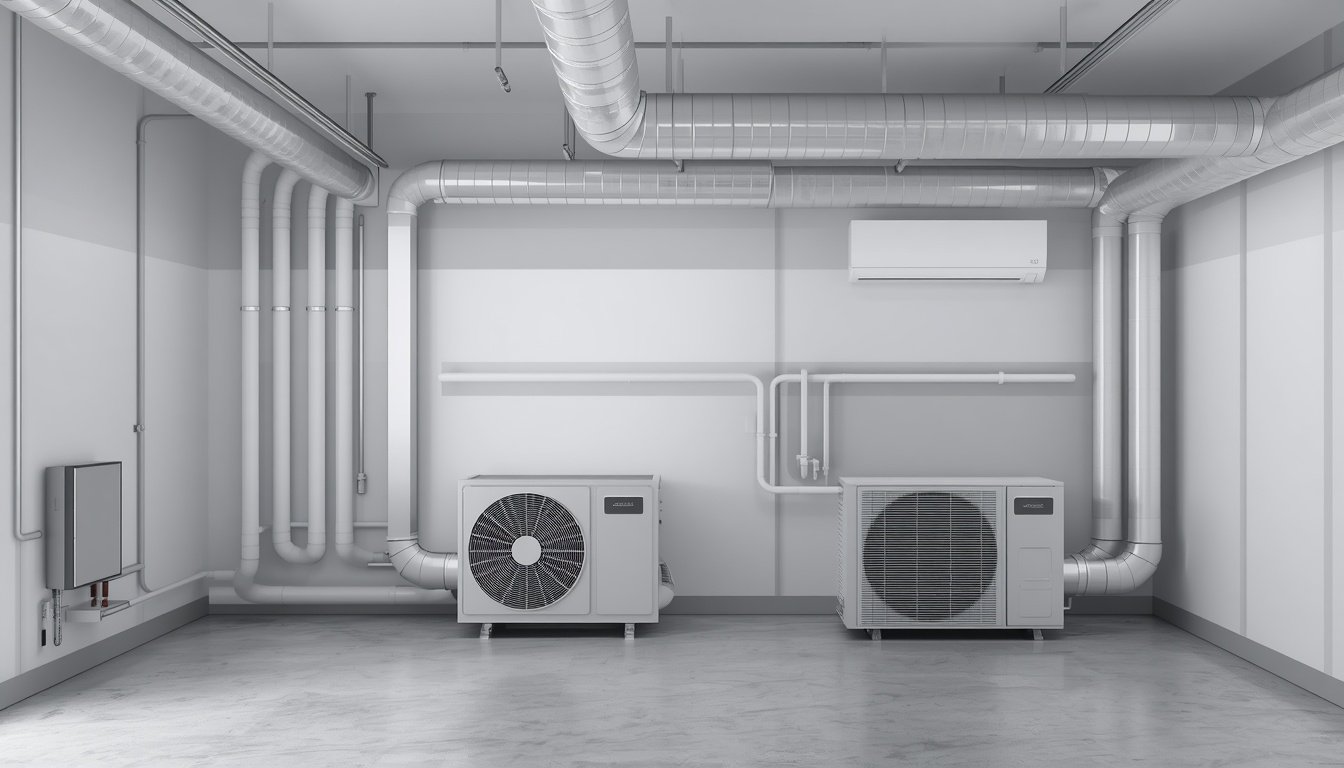
Heat pump and mini split tax credits are financial incentives offered for installing qualifying energy-efficient climate control systems in your home. These credits can significantly reduce your upfront costs, but they depend on making the right selection and meeting eligibility criteria. Understanding how these tax credits work and which systems qualify is crucial before making any purchase decisions, especially if you’re considering a whole-home or heavy-duty upgrade.
Why It Matters
Tax credits for heat pumps and mini splits are designed to make advanced efficiency technology more accessible to homeowners. By offsetting some of the cost, they lower the barrier to adopting solutions that can reduce long-term energy bills and environmental impact. For many, these savings can be the deciding factor that shifts a system from “out of reach” to “affordable.”
It’s important to note that not all systems qualify, and the credit amount can vary based on the type of equipment and efficiency ratings. Choosing a system eligible for these credits requires careful attention to both current regulations and manufacturer specifications.
Additionally, tax credits are often time-limited or subject to annual updates. Confirming eligibility before purchasing ensures you won’t miss out due to shifting guidelines or deadlines.
Most Important Features to Prioritise
To maximize your return through tax credits, certain product features and criteria demand the most focus. The main consideration is the system’s efficiency rating—generally aligned with federal benchmarks such as ENERGY STAR or specific SEER2, EER2, and HSPF2 values. Key features to prioritize include:
- High efficiency ratings that meet or exceed current federal guidelines
- Proper certification (such as ENERGY STAR, where required)
- Documentation from the manufacturer for tax credit eligibility
- Professional installation to meet code and program requirements
Understanding these features is essential because they are directly tied to qualifying for tax incentives. For instance, a mini split system that falls just below the required efficiency rating will not be eligible, regardless of price or brand reputation. Likewise, failing to have the appropriate documentation or professional installation could disqualify otherwise suitable equipment.
Investing a little extra time in researching which systems are officially certified can help avoid costly mistakes. It also simplifies the process of filing your tax credit claim once installation is complete.
Features That Matter Less for Most People
While there are many options and upgrades available, some features add little value when it comes to qualifying for tax credits. For example, cosmetic choices such as unit color, built-in Wi-Fi, or extensive remote control options typically don’t affect eligibility. Prioritizing these factors might fit your preferences, but they don’t influence the financial incentives that the IRS or state programs provide.
You also won’t see credits for optional add-ons like enhanced sound insulation or premium aesthetic panels. While these may improve user experience, they don’t help with the bottom line when it comes to credit qualification. It’s best to focus your primary budget on efficiency and compliance rather than add-ons if tax savings are your goal.
How to Match Features to Your Situation
The right combination of features, efficiency, and installation approach will depend on your goals and home setup. Start by reviewing your heating and cooling needs, square footage, and current energy bills. Next, compare this to which tax credits are available—federal, state, or local—and their respective equipment requirements.
If your priority is premium comfort and future-proofing, you may want to look into premium mini split systems that qualify for the highest available credits. Alternatively, if your goal is maximizing the return on investment, aim for models that just meet but don’t overshoot the eligibility thresholds.
It’s also wise to consult a certified installer or HVAC expert before making a final decision. Local professionals are often familiar with relevant tax incentives and can ensure your chosen equipment and installation method won’t inadvertently disqualify you from potential savings. Keep all purchase paperwork and installation documentation, as these will be necessary for your tax filing.
Final Thoughts
Securing a tax credit for your heat pump or mini split system is about more than finding the lowest price. Focus on efficiency ratings and proper certification, as these are directly tied to eligibility. Don’t be distracted by features that sound appealing but don’t impact your wallet when tax time comes.
Make sure to check the latest incentive guidelines for your area before making a purchase. Doing so ensures you not only select the right system but also benefit from the maximum available savings. The up-front research pays off in the form of both lower long-term costs and immediate financial incentives.