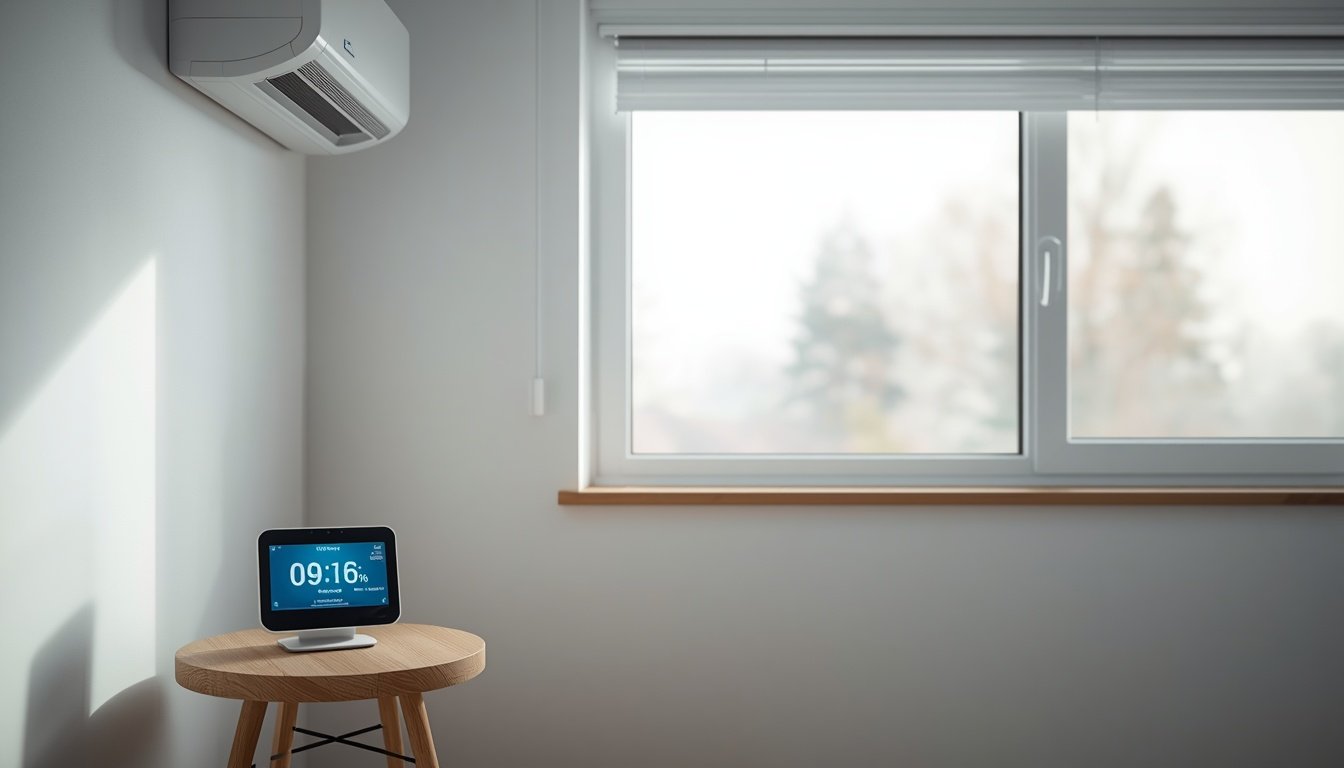
CO2 monitoring is essential in tightly sealed homes because it directly identifies when ventilation is needed. High carbon dioxide levels quickly occur in energy-efficient, airtight homes, leading to drowsiness, headaches, and poor air quality if not addressed. Monitoring gives immediate feedback, helping homeowners know when to increase fresh air flow for a safe, comfortable environment.
Why CO2 Accumulates Faster in Airtight Homes
Tightly sealed homes are built for energy efficiency, but by limiting the flow of outdoor air, CO2 from people and appliances builds up much more quickly. Activities like breathing, cooking, and even using gas heating add carbon dioxide to indoor air. In older, draftier homes, cracks and gaps let in fresh air, diluting CO2 without any special equipment.
In contrast, energy-efficient construction focuses on sealing leaks, keeping heat and cooled air inside. While this saves energy, it also means that air exchange with the outdoors is severely limited. As a result, even a few people in a well-sealed space can cause CO2 levels to rise above recommended limits within hours or less.
Without regular air exchange, indoor air becomes stale. Homeowners may not notice until symptoms like fatigue or headaches appear. Detecting CO2 early with a reliable sensor puts you in control, so health and comfort are never compromised by hidden air quality issues.
Key Benefits of CO2 Monitoring in Modern Homes
- Real-time alerts when CO2 rises above healthy thresholds
- Prevents indoor air from reaching stifling, unhealthy conditions
- Optimizes use of mechanical ventilation systems
- Supports compliance with energy-efficient building codes
- Makes invisible air quality issues obvious to all occupants
CO2 monitors provide tangible data you can act on immediately. Many modern monitors offer clear digital displays or app-based notifications. These alerts let you know when windows should be cracked or when mechanical ventilation needs to be activated. Over time, using CO2 data leads to smarter ventilation habits that save energy without risking comfort or health. Instead of guessing, you make decisions backed by accurate air quality information, creating a safer, more pleasant living space for everyone.
Integrating CO2 Monitoring With Ventilation Solutions
Pairing CO2 monitoring with whole-home or zoned ventilation is crucial for effective air management. When a monitor signals rising CO2, a mechanical system—like an HRV or ERV—can automatically bring in fresh air and exhaust the stale air. This approach avoids unnecessary energy use by running ventilation only when needed, instead of all the time.
By linking sensors with modern ventilation controls, you achieve precision airflow management. Some smart home systems allow you to adjust fresh air rates, track CO2 trends over time, and receive maintenance reminders for filters or fans. This kind of integration gives you the best of both worlds: maximum efficiency and consistently healthy indoor air.
For more on implementing balanced whole-home solutions, see this detailed guide on whole-house ventilation systems. The right combination of monitoring and ventilation is essential for achieving the healthiest atmosphere while maintaining your home’s energy performance.