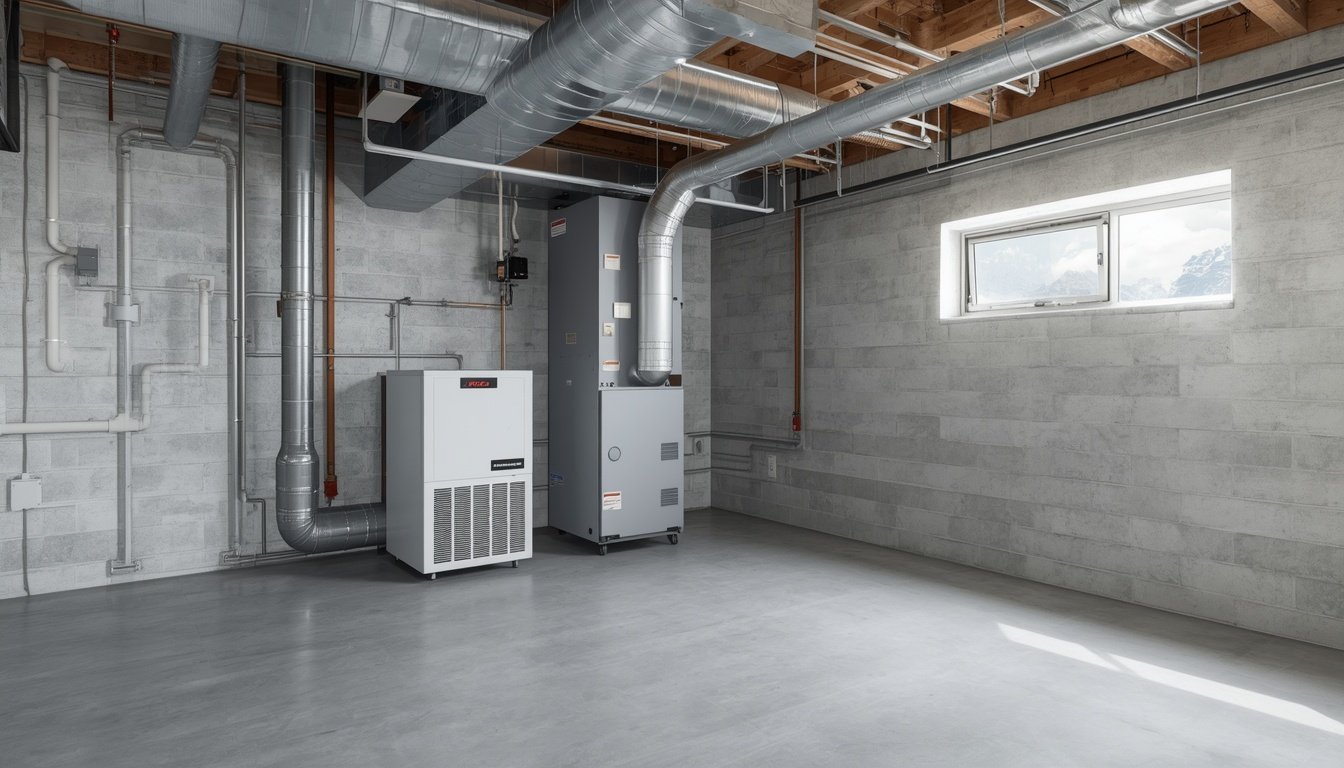
If you’re wondering if installing a whole-home humidifier is worth it, the short answer is yes—for many households, the benefits outweigh the drawbacks. A whole-home humidifier provides consistent humidity throughout your house, improving comfort and potentially protecting your home and health, especially during dry seasons. However, it is most worthwhile if you live in a region with persistent dry air, have issues with static, dry skin, or wood damage, and are prepared for installation and maintenance costs.
Key Benefits and Who Should Consider One
Homes in cold or arid climates often struggle with dry indoor air, particularly in the winter. Low humidity may lead to dry skin, sore throats, static electricity, and increased allergy symptoms. A whole-home humidifier directly addresses these issues by dispersing moisture evenly through your HVAC system. This helps prevent wood floors and furniture from cracking and reduces the likelihood of nosebleeds or sinus discomfort.
Families with young children, older adults, or those with respiratory concerns often see the greatest benefits. If you constantly run portable humidifiers in multiple rooms yet never achieve balanced air moisture, a whole-house solution saves time and effort. Anyone frustrated by inconsistent results from smaller units should seriously consider this upgrade.
Ultimately, the investment makes sense if your living environment demands better humidity control, you want to protect your home’s structure, and improved comfort during winter is a priority. For a comparison of models, check out this recommended whole-house humidifier resource.
Drawbacks and Limitations to Be Aware Of
While a whole-home humidifier offers clear benefits, it isn’t a “set and forget” solution. Proper installation is necessary—usually requiring coordination with your HVAC system—which can increase up-front costs. You’ll also need to maintain the system, including regular cleaning and filter replacement, to avoid mold or mineral buildup.
Some models consume significant water and may increase utility bills. If improperly installed or used in a naturally humid region, the system can raise the risk of excess moisture, leading to condensation, mold, or other damage. Not every home needs this level of humidification; if you already maintain healthy humidity levels with a single portable unit, a central system may be redundant.
It’s also important to note that units vary in capacity, controls, and reliability, impacting both performance and cost over time. Weighing ongoing maintenance, installation requirements, and energy usage before committing will save headaches later.
- Improves comfort and reduces health issues from dry air
- Protects wood floors, furniture, and electronics from cracking or damage
- Offers consistent humidity throughout your entire home
- Requires professional installation and regular maintenance
- Can add to water and energy bills if not managed properly
These points highlight why a whole-home humidifier isn’t the best fit for absolutely everyone, but a well-chosen system can make life dramatically more comfortable where low humidity is a recurring problem. Regular maintenance is critical to prevent issues like mineral scaling or mold. If your home’s air feels relentlessly dry and you’re tired of moving small units around, the convenience and comfort of whole-home humidification can easily justify the investment.
Making the Decision: Is It the Right Choice for You?
Deciding whether to install a central humidifier comes down to your home’s needs and your tolerance for the initial and ongoing investment. For large homes or families who want a simple, automated way to manage indoor air quality, the convenience and health benefits make it compelling. Conversely, renters or those in mild climates may not find enough value to offset the upfront cost and installation effort.
If you’ve noticed issues like persistent static, dry skin, or damage to woodwork during winter, consider the total cost of portable units, continual refilling, and inconsistent results. A central solution may actually save time and trouble. However, be realistic about the work involved in maintaining optimal performance and preventing unwanted humidity spikes.
Ultimately, a whole-home humidifier pays off for homeowners serious about indoor comfort and air quality, while others may do just fine with portable solutions. Assess your climate, home size, and willingness to maintain the system before making this choice.