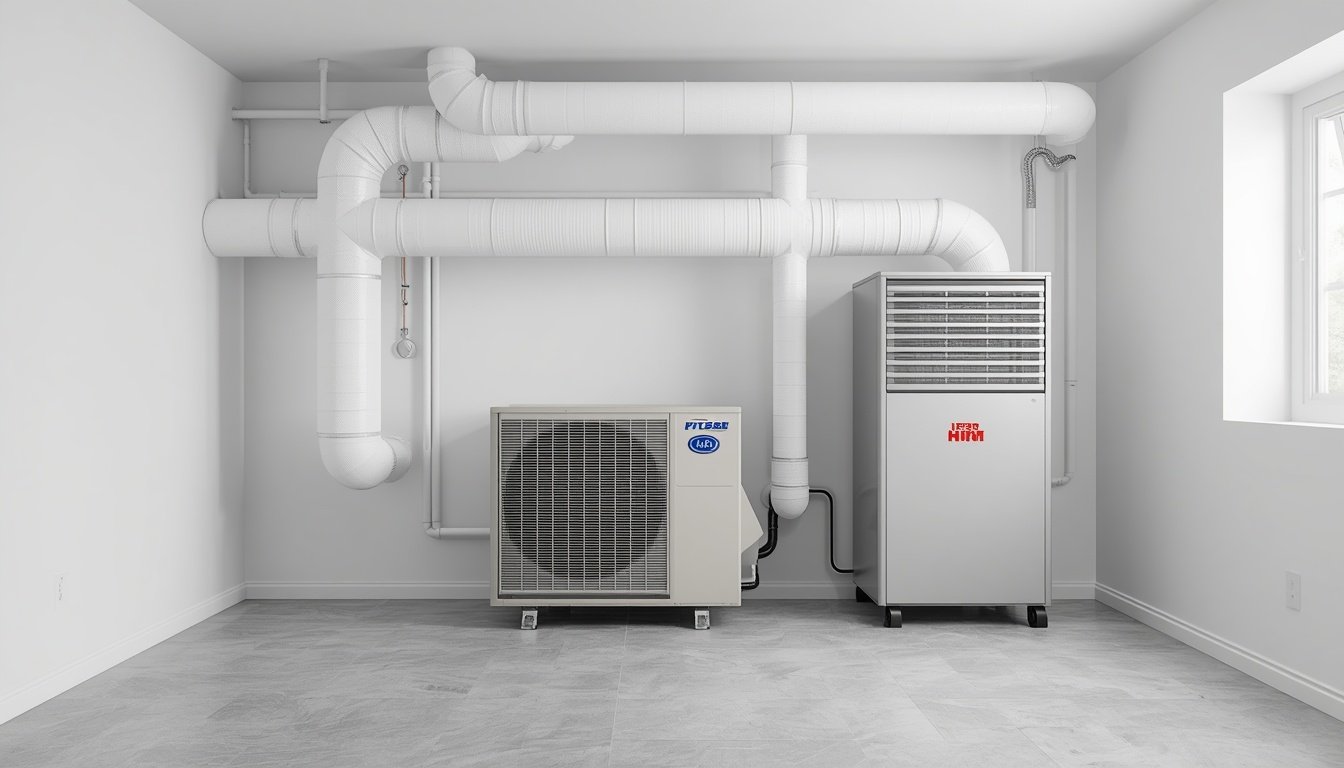
Whole-house humidity control comes with both upfront and long-term costs, and understanding these is key to choosing the right system. The main expense is usually the installation, but electricity, maintenance, and parts replacements all add up over the years. Smart decisions up front help avoid overspending without sacrificing comfort or efficiency.
Why It Matters
Humidity issues can undermine your home’s comfort, increase energy bills, and even threaten your property’s condition. When the air is too damp or too dry, problems like mold, warped wood, and static electricity arise. These issues can be costly to fix and detract from your quality of life.
Addressing your home’s humidity needs with the right system isn’t just about comfort—it’s also about long-term savings and health. A solution that’s too small or inefficient may leave you dissatisfied, whereas an oversized system can cost more both upfront and in ongoing energy use. That’s why understanding the real cost, including what features matter most, will help you achieve a good balance between performance and budget.
Most Important Features to Prioritise
The features you choose directly affect total cost and long-term satisfaction. Before deciding, it’s essential to focus on those that bring lasting value and real-world performance. Spending more for the right features often pays off over the lifespan of the system, especially when it helps avoid repair headaches or high operating costs.
- Capacity matched to home size: Systems should be properly sized for your square footage to avoid running costs that are higher than necessary.
- Integrated humidity sensors: Accurate sensors ensure the system only runs when needed, saving on energy and reducing wear over time.
- Energy efficiency ratings: Higher-rated systems cost less to run month after month, partly offsetting a larger initial investment.
- Whole-home integration: Systems that work with existing HVAC setups usually provide smoother operation and better results.
These four features are critical regardless of your house size or local climate. For most homes, properly sized and sensor-controlled systems with solid efficiency ratings strike the best compromise between cost and lasting effectiveness. Integration with current HVAC infrastructure, while sometimes adding to upfront cost, can make the overall system easier to service and more reliable down the line.
Balancing these priorities may increase the initial cost somewhat, but it often results in reduced maintenance expenses and fewer unexpected repairs in coming years. It’s usually worth talking with a professional to confirm system sizing and review how efficiency ratings will actually impact your energy bills based on local climate and usage patterns.
Features That Matter Less for Most People
Many humidity control systems advertise features that sound impressive but deliver limited real-world value for most homeowners. It’s easy to pay extra for options that, in day-to-day life, may go unnoticed or unused. Recognizing which bells and whistles can be safely ignored helps keep costs reasonable without missing out on core functionality.
Some add-ons—like proprietary smartphone apps or voice controls—can offer convenience, but they rarely justify a significant price jump. Multi-stage operation may be appealing in theory, but often doesn’t noticeably improve results outside of unusually large or variable climates. Similarly, specialty air filtration or combined air purification systems, while beneficial in certain situations, tend to be overkill for typical humidity control needs.
By focusing on your actual day-to-day comfort needs, you can avoid paying for features that aren’t relevant to your home or lifestyle. Streamlining your list of must-haves leads to a system that fits your budget while still delivering dependable humidity management where it matters most.
How to Match Features to Your Situation
Choosing the right humidity control system is about more than picking features or comparing prices. Consider your home’s size, insulation quality, and climate challenges before narrowing down your options. Balancing these factors ensures you won’t overpay for unnecessary capability—or fall short of effective results.
Start by determining your home’s total square footage as well as any problem areas, like basements or rooms prone to dampness. Think about your climate: homes in hot, humid regions need different solutions than those in dry, cold environments. Assess your current HVAC setup to see if the new system can integrate easily, or if a stand-alone approach makes more sense.
You’ll also want to be realistic about ongoing costs. Systems with higher efficiency may cost more upfront, but can substantially reduce your monthly utility bills. If energy costs are a major concern, prioritise humidity controls with excellent efficiency ratings and precise sensors. For those in areas with significant humidity swings, integrated sensors and zoning can minimize wasted energy and unwanted comfort fluctuations.
If you want a deeper breakdown or practical advice on system sizing and ongoing running costs, our guide to whole-house humidity control covers the entire process from planning to maintenance. Taking the time to match capabilities to your real risks—rather than defaulting to the highest or lowest price—will help you find the system that best fits your long-term comfort and budget.
Final Thoughts
The true cost of humidity control extends well beyond the sticker price of a new system. While installation can take a significant share of the budget, it’s the day-to-day power consumption and regular upkeep that have the longest impact. Prioritising core features—not only for comfort but also for efficiency—can offset these ongoing expenses and lead to a more satisfying experience in the years ahead.
A thoughtful approach, focused on your specific home and climate, usually leads to best results. Make choices based on actual needs instead of marketing extras or one-size-fits-all promises. Regular review of performance and maintenance schedules can also prevent unexpected costs, ensuring your investment lasts as long as possible.