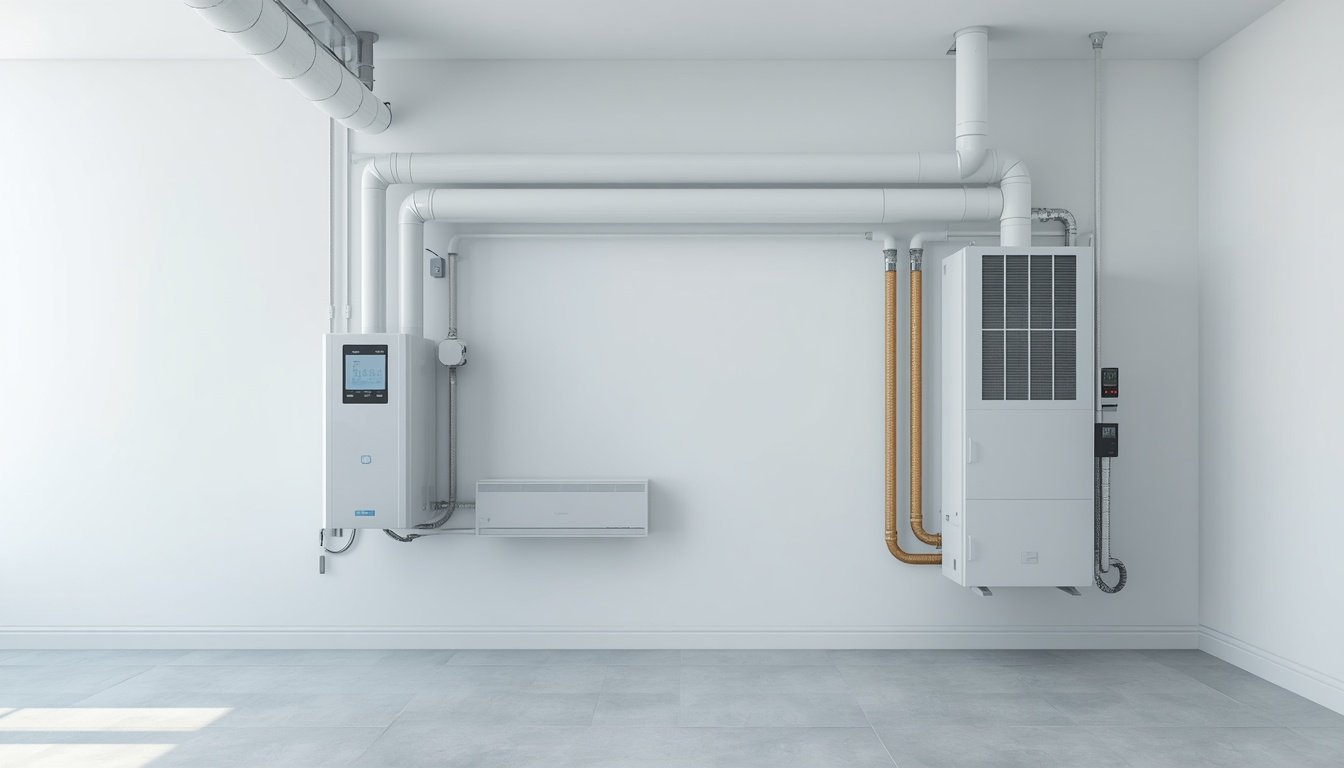
Upgrading to a whole-home climate control system can dramatically improve comfort, energy efficiency, and property value—but the costs add up quickly. Before you commit to a specific system, it’s important to map out a realistic budget and understand which factors will actually make a difference for your household. Not all advanced features are necessary for every home, and hidden expenses can catch buyers off guard if they’re not prepared.
Why It Matters
Budgeting carefully for a major climate control upgrade isn’t just about finding an affordable solution—it’s about ensuring long-term satisfaction and avoiding surprises. Whole-home systems often involve more than just hardware costs. Installation, system integration, and future maintenance all affect the true cost of ownership. Focusing on upfront pricing alone may lead to a solution that doesn’t suit your lifestyle, increases running costs, or needs replacing sooner than expected.
Investing effort into understanding your real requirements helps you set a budget that aligns with your comfort goals and energy-saving expectations. When you clarify which system features and installation considerations will have the biggest impact, you’re better equipped to make trade-offs without sacrificing what matters most in daily use. This approach will also prevent unnecessary overspending on capabilities you may never use.
Most Important Features to Prioritise
Certain features and technical requirements have a much greater impact on both the performance and value of your whole-home climate control system than others. Focusing your budget on these essentials ensures reliable comfort and long-term efficiency.
- System Sizing and Compatibility: The capacity of your system must match your home’s size, configuration, and insulation. Oversized or undersized systems lead to inefficiency and more frequent repairs.
- Energy Efficiency Ratings: Higher SEER, HSPF, or AFUE ratings can significantly lower your ongoing costs, especially if climate extremes are common in your area.
- Quality of Installation: Even the best system will underperform if installation shortcuts are taken. Look for certified installers and robust warranties for both parts and labor.
- Smart Zoning and Controls: Systems with effective zoning let you heat and cool different parts of your home as needed, optimizing comfort and reducing waste.
- Ductwork and Air Distribution: If ducts are leaky or poorly designed, you may lose up to 30% of your heating or cooling output. Addressing this during installation adds upfront cost but often pays off quickly.
Allocating your budget to these priorities may increase initial spending but tends to reduce headaches and costs over time. Well-matched sizing and proper installation are especially critical; they can prevent uneven temperatures, short cycling, and unnecessary strain on your equipment. Investing in energy efficiency and advanced controls not only saves money, but also positions your system for integration with future upgrades and smart home solutions.
Features That Matter Less for Most People
Whole-home climate control systems can come with a long list of options, but many of these add-ons aren’t necessary for the majority of homeowners. Some features offer diminishing returns or slightly increase comfort without major energy savings. Others may simply add complexity, making your system harder to use or maintain.
Multi-stage compressors, advanced humidity controls, and integrated air purifiers are often marketed as premium upgrades. While these can be valuable in extreme climates or if you have particular sensitivities, most households can achieve excellent results with standard configurations, especially if the system is sized and installed correctly. The same goes for ultra-advanced app integrations and voice control—convenient, but rarely essential.
Focusing the bulk of your budget on fundamentals, rather than extras, helps ensure you get reliable comfort without overpaying for features you’re unlikely to notice day-to-day. If you’re curious about a specific feature, discuss its benefits with a trusted installer. Often, you’ll find that practical improvements come from balancing core performance with efficient operation, not from stacking on less-used options.
How to Match Features to Your Situation
Selecting the right combination of features depends on a few personal and property-specific factors. Start by evaluating your local climate, the age and insulation level of your home, and your household’s routines. These variables help determine what deserves a place in your budget and what can be left off your wish list.
For example, a large, older house in a region with harsh winters may benefit more from superior insulation upgrades and a high-efficiency furnace, while a smaller, newer build in a mild climate might see diminishing returns from top-tier efficiency models or advanced filtration systems. Consider whether you routinely use every room, if anyone in the house has respiratory sensitivities, and how much you value technology-driven convenience.
Engaging a professional energy audit is often a wise first step. This assessment can uncover inefficiencies or hidden needs that will help you tailor your investment for maximum comfort and savings. If you’re planning a substantial whole-home climate control upgrade, aligning these features with your household’s actual patterns will help you make smarter decisions and get the most from your budget.
Final Thoughts
Budgeting for a whole-home climate control system is more than comparing price tags. The key is to identify which elements deserve premium investment based on your real-world needs and home conditions. Prioritising system sizing, installation, and energy efficiency above optional extras usually delivers the greatest long-term value.
Take time to separate must-have performance features from those that simply add convenience or complexity. Speak with professionals about your specific living environment and habits before making final choices. With careful planning, you’ll avoid both overspending on non-essentials and missing out on sensible upgrades that could pay off for years to come.