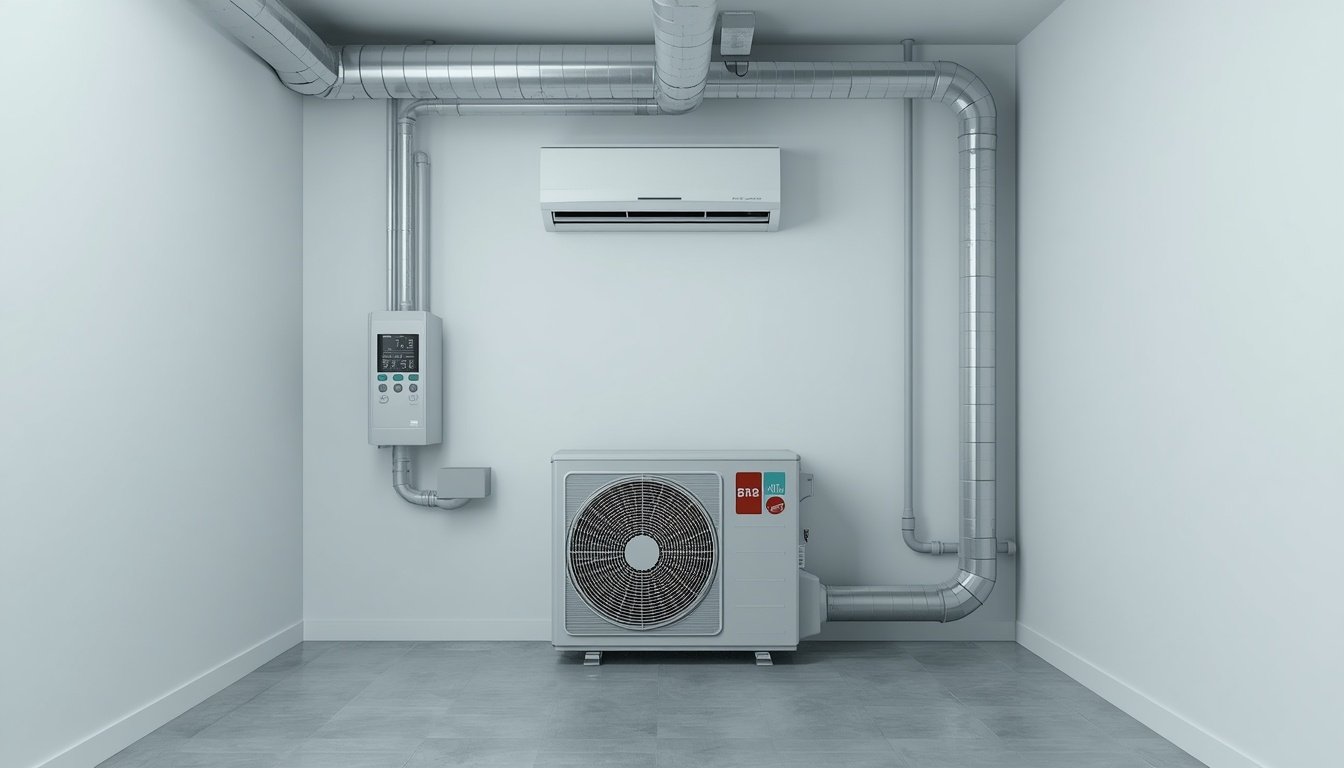
SEER2, EER2, and HSPF2 are standardized ratings used to measure the energy efficiency of air conditioners and heat pumps. These ratings help homeowners and professionals compare systems objectively. Each value describes how effectively a unit uses electricity under specific test conditions, making them key metrics for evaluating climate control systems.
How It Works
These ratings are calculated through controlled laboratory tests that mirror typical operating conditions. The SEER2 (Seasonal Energy Efficiency Ratio 2) evaluates cooling efficiency over a range of temperatures throughout a cooling season. EER2 (Energy Efficiency Ratio 2) measures cooling efficiency at a fixed outdoor temperature, focusing on performance during peak conditions. HSPF2 (Heating Seasonal Performance Factor 2) quantifies heating efficiency for heat pumps across the entire heating season.
Each rating is derived by comparing the unit’s output (cooling or heating) to its power consumption, expressed in British Thermal Units (BTUs) per watt-hour. The higher the number, the more efficient the system is in converting electrical energy into cooling or heating output, according to updated 2023 testing standards.
What It Can Do
SEER2, EER2, and HSPF2 ratings enable direct efficiency comparisons among climate control products. They provide clear benchmarks for manufacturers, installers, and users when selecting or replacing systems. Understanding these ratings can help consumers choose the right equipment and estimate potential energy savings.
- Allow for accurate comparison of energy performance between different models and brands
- Supply data for compliance with regulations and incentive programs
- Help estimate seasonal operating costs for both cooling and heating modes
- Offer guidance for selecting systems suited to climate and household needs
In practical terms, these ratings form the basis for efficiency labeling and are referenced by standards organizations and utility rebate programs. Homeowners may use them as part of the decision process, especially when comparing advanced options such as premium mini split systems. Overall, they are essential tools for fostering transparency and supporting energy-conscious choices.
Limitations and What It Cannot Do
While SEER2, EER2, and HSPF2 ratings offer important benchmarks, they have notable limitations. The ratings are established in laboratory test environments that may not capture variables found in actual homes. This can lead to discrepancies between rated and real-world performance.
Specifically, these ratings:
- Do not account for improper installation, poor maintenance, or system sizing errors
- Cannot predict efficiency impacts from regional climate differences or unusual usage patterns
- Exclude factors like duct losses, zoning, and building insulation quality
- Do not reflect overall system durability, noise levels, or user comfort beyond energy efficiency
Because of these constraints, SEER2, EER2, and HSPF2 should be viewed as comparative tools rather than absolute indicators of how a system will perform in all circumstances. They are best used in conjunction with professional guidance and consideration of installation quality, building characteristics, and local climate conditions.
When It Works Best
The value of SEER2, EER2, and HSPF2 ratings is greatest when used during the selection and comparison of climate control equipment. For new installations or major upgrades, these metrics provide a reliable reference point alongside other system features.
They are especially useful in scenarios where energy efficiency requirements are mandated by codes, or when accessing rebates that stipulate minimum rating thresholds. The ratings also help homeowners estimate likely savings when replacing older, less efficient systems. However, their usefulness is maximized when combined with a thorough assessment of the home’s unique characteristics, usage habits, and installation factors.
Common Misconceptions
There are several misconceptions regarding SEER2, EER2, and HSPF2 ratings. One common error is assuming that the highest rating will always deliver proportionally lower energy bills; in reality, installation quality and house insulation play major roles. Another is confusing SEER2 and EER2 as interchangeable; while related, they measure performance under different conditions. Lastly, some believe these figures guarantee comfort, but they are purely efficiency ratings, not comfort indicators.
Final Answer Summary
SEER2, EER2, and HSPF2 are updated efficiency ratings for measuring the energy performance of air conditioners and heat pumps. They enable standardized comparisons but do not guarantee real-world outcomes due to installation and usage variability. When applied correctly, these ratings are valuable tools for informed system selection and planning.