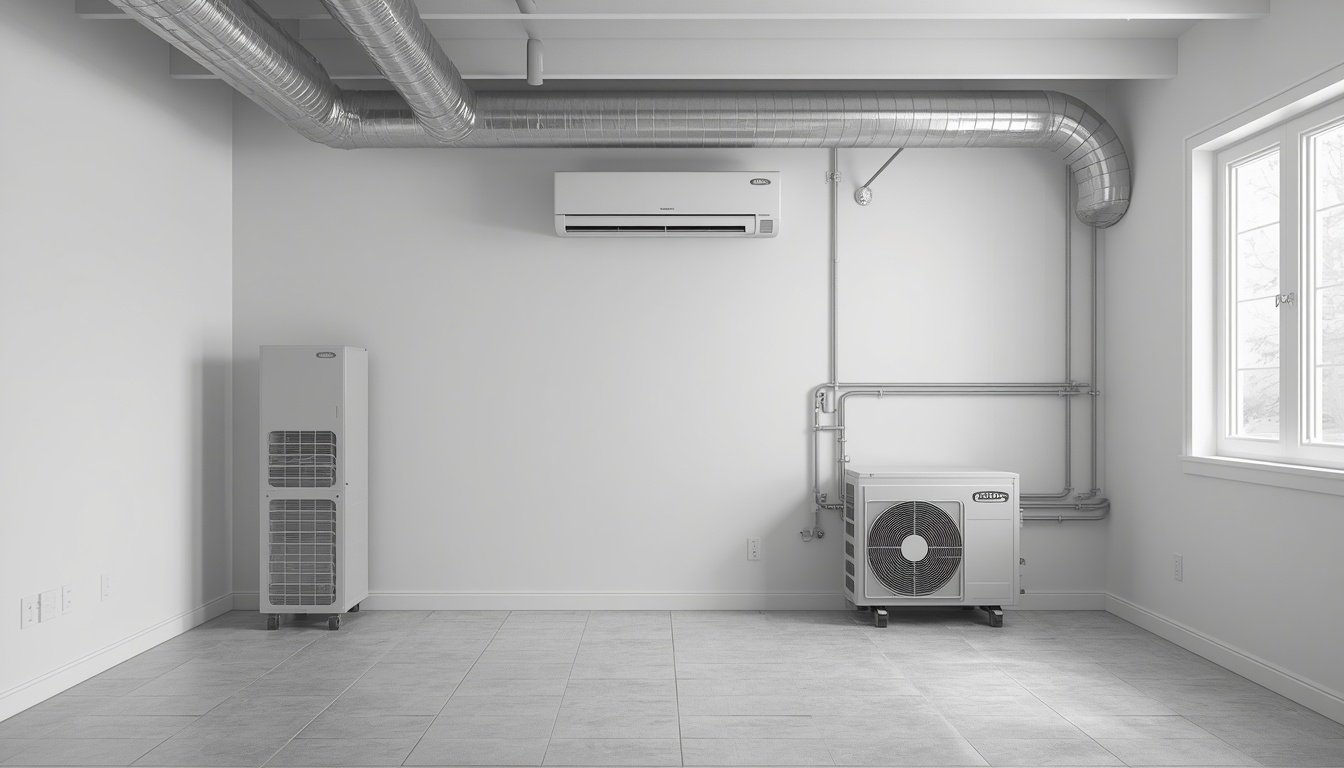
ERVs (energy recovery ventilators) and HRVs (heat recovery ventilators) both improve indoor air quality by exchanging stale indoor air for fresh outdoor air while minimizing energy loss. The core difference lies in how they handle moisture: ERVs transfer both heat and humidity, while HRVs transfer only heat. This means ERVs are typically better for homes in humid or mixed climates, whereas HRVs excel in colder, drier environments.
Understanding the distinction is important when planning a new ventilation strategy—choosing the right system ensures comfort, energy savings, and ideal humidity levels all year round. If you’re already researching a whole-house ventilation system, knowing whether an ERV or HRV is best for your region and household needs is essential for long-term satisfaction.
How ERVs and HRVs Operate
Both ERVs and HRVs are mechanical ventilation systems that bring fresh outside air in while exhausting stale, polluted air. The goal is to balance indoor air quality without losing conditioned air—meaning your home remains comfortable while saving on heating or cooling costs.
HRVs work by transferring heat from outgoing indoor air to incoming fresh air using a heat exchanger. This means, in winter, they recover warmth from the air being exhausted and use it to preheat the incoming cold air. In summer, the process reverses, reducing heat gain.
ERVs operate similarly but with an added component: moisture transfer. Their core can also move humidity between the outgoing and incoming airstreams. This helps regulate interior moisture, preventing your HVAC system from getting overloaded by excess humidity or dryness.
Both systems are typically ducted into central HVAC systems and include filters to capture particulates. Their overall goal is effective air exchange with high energy efficiency, but the method each uses to handle moisture can impact the comfort and healthiness of your indoor spaces.
Climate Suitability: When to Choose an ERV or HRV
The right ventilator for your home largely depends on your climate zone. HRVs shine in regions with long, cold winters and relatively dry air—like northern US states or Canada. Because they only transfer heat, HRVs avoid transferring humidity back into a home, which is ideal where indoor air tends to get excessively dry in winter.
ERVs are usually the better choice for areas with humid summers or consistently high humidity levels. Think southern states or coastal regions where keeping excess moisture out is important year-round. By transferring some humidity along with the heat, ERVs help prevent indoor air from getting too dry in winter or excessively damp in summer.
If your home struggles with condensation or static electricity during winter, an HRV may help. But if you face muggy summers or want to minimize dehumidifier use, an ERV is likely preferable. The choice also depends on your specific comfort concerns and how your house is built to resist or manage moisture.
Key Pros and Cons of ERVs and HRVs
- Improved energy efficiency
- Humidity control differences
- Maintenance and filter requirements
Both ERVs and HRVs dramatically reduce heating and cooling losses compared to just opening windows or using exhaust fans. This improved efficiency leads to lower energy bills while supporting better indoor air quality. Where they notably differ is in how they deal with indoor humidity. ERVs help keep humidity stable in both directions, which can be beneficial in climates with seasonal extremes. HRVs only recover heat, so they are simpler and avoid returning moisture to already dry air.
Maintenance and filter changes are important for both systems. Filters capture pollutants and need regular replacement or cleaning to keep systems operating efficiently. ERVs may also require additional maintenance if the enthalpy transfer core (which handles moisture) needs cleaning. Consider the pros and cons based on your preferences for humidity, energy use, and willingness to perform regular system maintenance.
Installation and Operating Costs
Initial installation costs for ERVs and HRVs are often comparable, especially for similarly sized units. Complexity can vary depending on your existing ductwork and the size of your home. Retrofitting an older house may demand extra investment for ducting or integration with current HVAC systems, while new construction offers more flexibility and lower labor costs.
ERVs sometimes have a slightly higher upfront cost due to the added technology for humidity transfer. However, the difference is usually marginal compared to the overall system price. Ongoing operating costs—mainly electricity to power the fans—are usually low for both types, especially when paired with high-efficiency motors.
Filter replacement and occasional maintenance add to the lifetime cost. Homes in dusty environments or with pets may require more frequent attention. Over the years, both systems deliver savings by reducing the demand on your heating and cooling, further justifying the initial investment. Most homeowners find either system pays for itself with increased comfort and energy savings over time.
Which System Fits Your Home and Priorities?
- Climate and humidity levels in your region
- Household needs and sensitivities
- Compatibility with existing HVAC
The ultimate choice between ERV and HRV depends on where your home is located and how your family uses the space. For example, homes in the humid Southeast benefit most from ERVs that help regulate moisture year-round. In contrast, HRVs suit cold, dry regions where maintaining indoor comfort is about keeping warm and minimizing static or dryness. If you have family members with respiratory sensitivities, effective humidity and pollutant control is worth considering—ERVs’ ability to balance both heat and moisture might be preferable.
Consider also whether your existing HVAC setup can easily integrate with a new ventilator. Homes with dedicated ductwork for ventilation may have a wider range of options, while tight or single-level residences could benefit from smaller, more compact HRV or ERV models. Consult an HVAC professional to accurately assess system compatibility and determine the most efficient, comfortable setup for your needs.
Making the Right Decision
Before purchasing an ERV or HRV, assess your climate, home layout, family preferences, and budget. Consider how each system aligns with your local temperature and humidity swings. ERVs provide additional humidity control but require more frequent maintenance of the moisture-transfer core, while HRVs offer effective heat recovery with a focus on simplicity and drier climates.
If you live in a region with four seasons or high humidity, ERVs often offer greater comfort. If bone-dry winters are your main concern, the straightforward design of an HRV can improve comfort without complicating humidity levels. Many homeowners compare both options by researching reputable brands and reading real-world reviews to gauge ongoing reliability and efficiency.
The bottom line: choose the ventilator that best complements your home environment and long-term comfort goals. Improved air quality, efficient energy use, and balanced humidity make both systems valuable—just be sure your selection is tailored to your location, HVAC equipment, and personal priorities. Taking the time to evaluate your choices means a healthier, more comfortable indoor climate year-round.