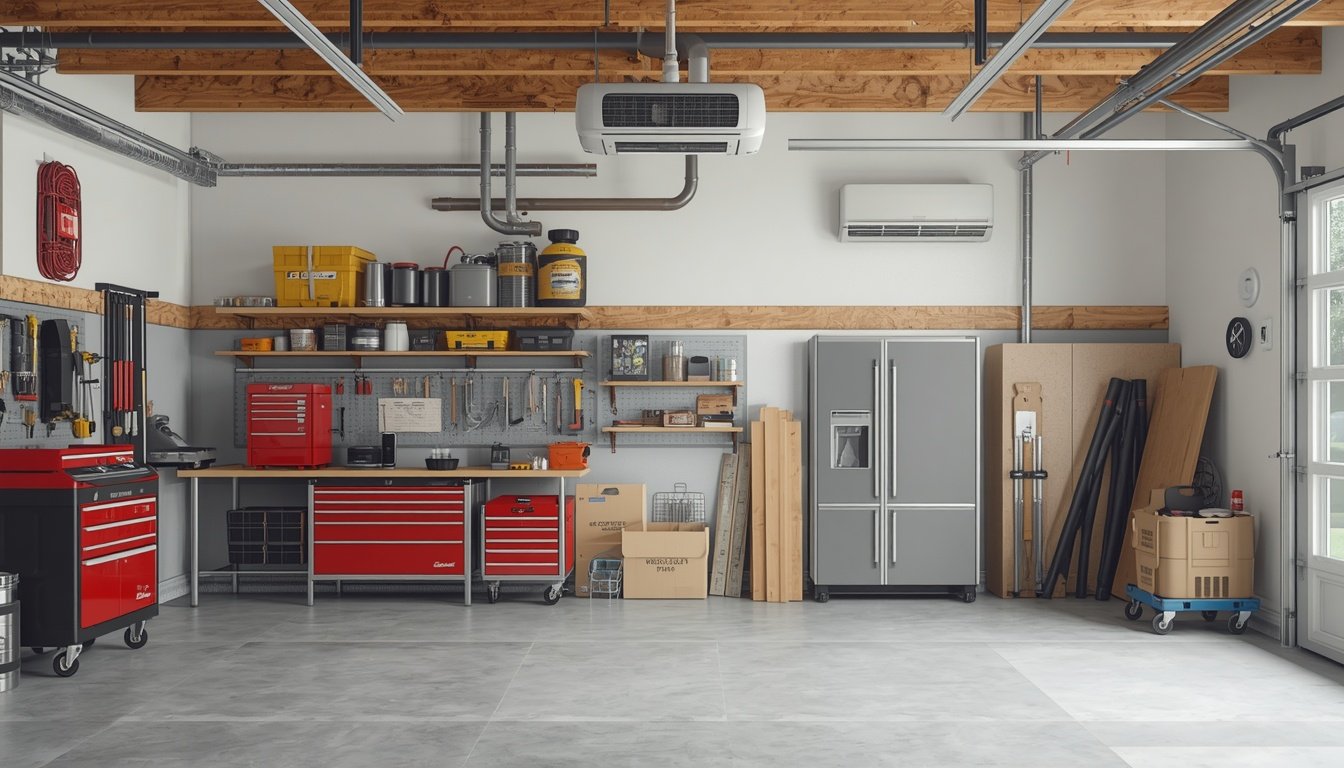
Propane and natural gas garage heaters have important differences in availability, operating costs, and installation, making your choice largely dependent on your garage’s needs and local infrastructure. In general, natural gas heaters are best suited for homes already hooked up to a city gas supply, while propane offers excellent flexibility, especially in rural or off-grid settings. For those seeking more details on garage heating options, our guide to the best gas unit heater for large garages compares models and fuel types to help you select the right solution.
Fuel Source and Accessibility
Your access to a reliable fuel source often determines whether propane or natural gas is a better fit for your garage. Natural gas heaters must be connected to a municipal gas line, which means they are often favored in suburban or urban environments where utility connections are readily available. The convenience of never having to refill a tank is a significant advantage for many homeowners who have a city gas hookup already in place.
Propane, on the other hand, is delivered and stored in refillable tanks onsite. This makes propane heaters an appealing choice for garages located in rural areas or regions without natural gas infrastructure. Besides flexibility, propane is widely available in tank form at local suppliers, and storage tanks come in various sizes to accommodate occasional or frequent use.
Some homeowners prefer the autonomy propane provides during utility outages or for use in detached buildings far from their main utility connections. However, tank maintenance and refill scheduling are necessary considerations. In contrast, natural gas offers seemingly unlimited fuel but is tied to utility reliability and availability. Your choice can often be as simple as what connections exist at your property.
Installation and Setup Differences
The process of installing a garage heater differs significantly between propane and natural gas models. For natural gas heaters, connection must be made directly to the home’s natural gas line. This usually requires professional installation and may involve work that disturbs walls, floors, or ceilings depending on the heater’s location. Most municipalities also require permits and inspections for safety reasons.
Propane heaters offer more flexibility in installation because they are not tied to an underground supply line. You can position propane tanks outside your garage, and heaters are easily connected using specialized hoses and regulators. This can result in lower initial installation costs, especially for detached garages or workshops far from the main house. However, local regulations may dictate where tanks can be placed, and large propane tanks sometimes require professional delivery and connection for safety.
While both heater types need proper venting to expel combustion gases, venting requirements are the same for equal-sized heaters. Regardless of fuel, professional installation is usually recommended to ensure code compliance and safe operation.
Efficiency and Heating Performance
Both propane and natural gas heaters are highly efficient for heating garages, but there are subtle differences to keep in mind. Propane typically burns hotter than natural gas and has a higher energy content per unit volume. This can make propane heaters deliver more heat in less time compared to similar-sized natural gas models, especially in cold climates or larger spaces.
However, advances in technology mean the efficiency gap between the two fuel types is smaller than ever. Modern garage heaters are rated for energy efficiency no matter the fuel, and manufacturers frequently offer comparable models in both configurations. The key is to check the BTU rating and AFUE (Annual Fuel Utilization Efficiency) when comparing specific units.
Ultimately, heating performance is excellent with either type when properly sized for the space. The choice is often about fuel cost and availability rather than inherent efficiency differences. It’s also important to ensure that your garage’s insulation and air sealing are adequate, as even the most efficient heater won’t work effectively if the heat escapes too quickly.
Operating Costs and Price Considerations
- Natural gas tends to be less expensive per BTU than propane in most regions
- Propane heaters may carry lower upfront installation costs
- Fuel price volatility can impact yearly operating expenses
The cost of running a garage heater depends on both fuel price and heater efficiency. Natural gas is generally cheaper per BTU, particularly in areas with extensive utility networks. Over time, this can result in lower monthly heating bills. However, propane can be priced competitively in certain areas and allows users to shop around for fuel suppliers, sometimes locking in seasonal rates.
Initial installation for propane heaters usually costs less, especially where gas lines are not already in place. There’s no need for costly trenching or gas line extensions, making it an attractive option for remote or detached garages. However, propane prices are subject to more rapid fluctuations due to supply and demand, while natural gas prices tend to be more stable across seasons. Calculate your annual fuel needs and local prices to estimate true yearly expenses before deciding.
Maintenance and Safety Factors
- Propane tanks must be inspected and maintained regularly
- Natural gas lines require periodic professional checks
- Proper venting and clearances are critical for both types
Ongoing maintenance is an important consideration for garage heaters. Propane systems need you to monitor tank levels and organize periodic refills. Tanks should be checked for leaks, rust, or valve problems, and local fire codes mandate certain safety protocols. With natural gas heaters, the fixed gas line should be inspected every few years by a qualified technician, especially if the line runs underground or through older plumbing systems.
Both heater types must be vented correctly to prevent the buildup of carbon monoxide and other combustion byproducts. Routine annual checks ensure the venting system is clear and functioning as intended. For safety, always follow manufacturer clearances around combustibles and never use unvented gas heaters in enclosed spaces. CO detectors are strongly recommended regardless of fuel type.
Which Should You Choose?
Your decision between propane and natural gas mainly comes down to existing infrastructure, fuel access, and long-term costs. If your home is already connected to a municipal gas line, natural gas is usually the most convenient and cost-effective choice. It eliminates the need for tank storage and regular refills, providing a steady and affordable fuel supply.
For homeowners in rural or off-grid locations, or with detached garages far from the main house, propane offers unmatched flexibility. It’s easy to set up, and there’s no dependency on utility infrastructure. Just remember to include tank refill scheduling and local propane delivery options in your planning.
Think about installation costs, your heating frequency, and how much autonomy you want over your energy supply. Equipment cost differences are minor compared to long-term fuel expenses and convenience. Consider these factors carefully before making your final choice.