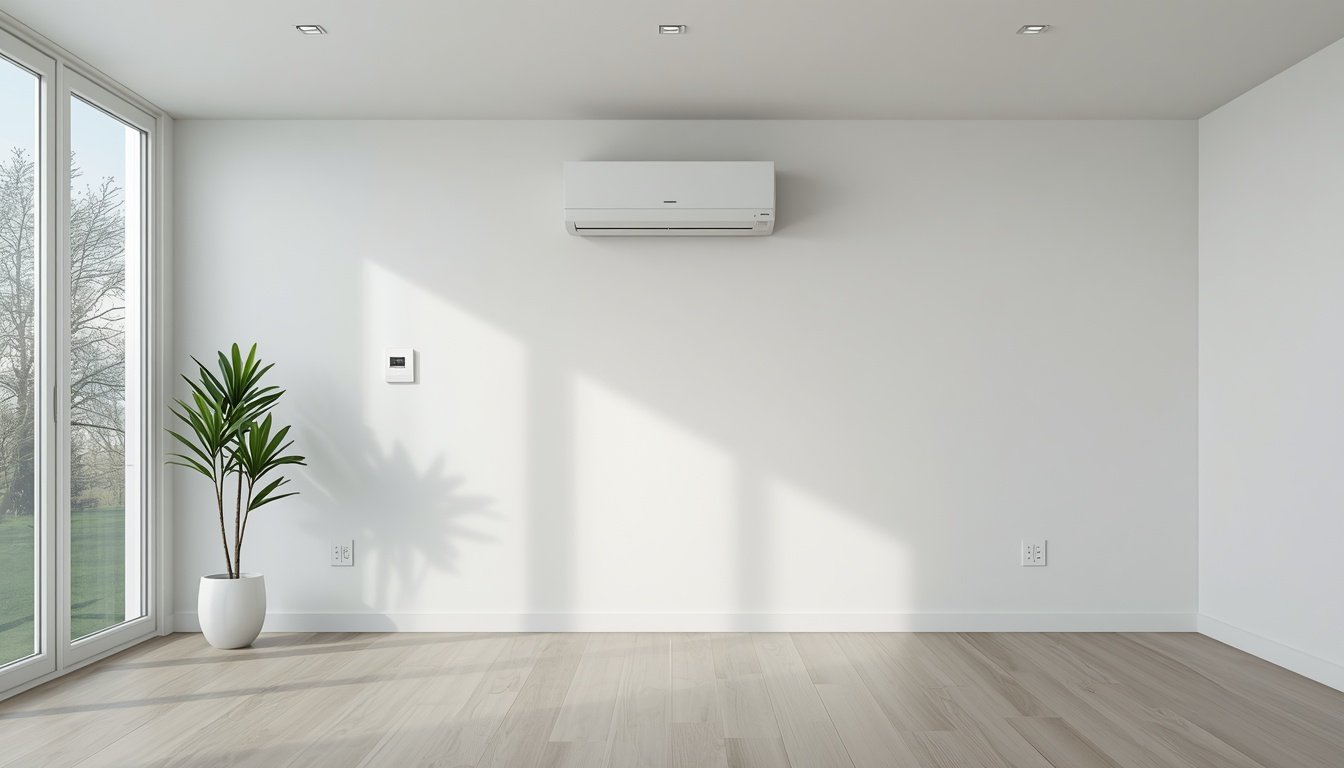
Choosing between mini split and central air systems comes down to your home’s layout, your comfort needs, and long-term efficiency goals. Mini splits offer tailored temperature control in specific zones and are ideal for homes without existing ductwork. Central air, on the other hand, is better for consistent, whole-home cooling through ducts, making it preferable for larger spaces or new builds. If you’re interested in exploring options for adaptable and efficient systems, learning about a whole-home mini split system can provide a comprehensive perspective.
System Design and Operation
Mini split systems, also called ductless systems, consist of an outdoor compressor and one or more indoor air handlers. These systems deliver heating and cooling directly to individual rooms, with each zone controlled independently. Installation is generally straightforward, needing only a small hole for the conduit between the indoor and outdoor units.
Central air systems use a single outdoor unit connected to a powerful indoor evaporator and a blower that distributes air via ductwork. Every conditioned room gets air through supply vents, and temperature is typically adjusted with a central thermostat that controls the whole house.
If your home lacks existing ducts, adding central air means significant and potentially disruptive construction work. Ductless mini splits bypass the need for ductwork, preserving your home’s structure. However, if ducts are already in place and are in good condition, central air can be a practical and efficient fit, particularly in homes with open layouts and consistent usage patterns.
The two systems differ not only in structure but also in their impact on aesthetics and renovation complexity.
Efficiency and Energy Savings
Mini splits are renowned for their high energy efficiency, primarily because there is no duct loss—ducts in traditional central air setups can waste up to 30% of energy. Each mini split unit operates independently, so you can cool just the rooms in use, reducing unnecessary energy consumption.
Central air can be efficient, but ductwork leakage and unconditioned spaces like attics degrade overall system performance. Newer central air models with variable-speed compressors have improved energy use, but they still cool the entire home even if only one room is occupied.
For smaller homes, additions, or spaces where you need highly targeted comfort, mini splits often provide superior savings on energy bills. They’re especially attractive for retrofits or for supplementing central systems in problematic rooms with uneven temperatures.
However, if your primary goal is even cooling across a large, connected home—and especially if you already have ducts in place—investing in a high-efficiency central system can be a cost-effective choice.
Installation Costs and Complexity
- Mini splits require minimal invasive installation
- Central air demands ductwork and higher initial labor
- Retrofitting ducts can significantly impact project cost
Because mini splits are ductless, their installation is far less invasive than that of central air. A technician mounts the indoor unit on a wall and connects it to an outdoor unit via a thin conduit, which means work is contained and cleanup minimal. Labor costs and time spent on installation are typically lower with mini splits, especially in homes without any duct infrastructure in place.
Central air, on the other hand, relies on a duct network. If your home is not already ducted, expect a much more disruptive and lengthy process. Installing or replacing ductwork involves cutting into walls and ceilings and can drive up both time and expense. Even if ducts exist, they may need repairs or cleaning to ensure efficient operation, which adds to the cost and complexity. Overall, mini splits offer a less intrusive path to modern comfort in many retrofit scenarios.
Comfort, Zoning, and Noise
One of the standout features of mini splits is their advanced zoning capability. With mini splits, you can control the temperature of individual rooms or zones, providing customized comfort for different areas or family members. This solves one of the biggest complaints with central air—uneven temperatures throughout the house and the inability to shut off cooling to rooms not in use.
Central air systems operate with a single thermostat and distribute cooled air fairly uniformly. While newer systems offer some temperature zoning options, they’re rarely as precise or flexible as ductless mini splits. This makes central air ideal for open floor plans and households where everyone shares the same comfort preferences.
Noise is another factor. Mini splits are known for near-silent operation inside, as the noisy components stay outside. Central air systems can be louder, with blower sounds and air moving through ducts sometimes heard in living areas. If quiet climate control is a priority, mini splits have a notable edge, especially in bedrooms or home offices where noise can be disruptive.
Maintenance and Long-Term Upkeep
- Mini splits need regular filter cleaning and periodic servicing
- Central air requires duct cleaning and maintenance
- Maintaining ducts can prevent costly leaks and inefficiencies
Maintaining mini split systems is generally straightforward—routine filter cleaning is the most frequent task, as clean filters sustain both efficiency and air quality. Annual professional servicing is recommended to check refrigerant levels and electrical components. These systems are relatively simple for homeowners to keep in good shape between scheduled service visits.
Central air systems, however, bring the added responsibility of ductwork maintenance. Dust, allergens, and even mold can build up in ducts, necessitating professional cleaning to maintain indoor air quality and system performance. Leaks in ducts contribute to lost cool air and higher bills, so regular inspection is key. Routine maintenance checks remain essential for both types of systems, but ductwork can be an added hidden cost for central air over time.
Which System Fits Your Home Best?
The decision between mini splits and central air depends largely on your home’s structure, your family’s preferences, and your renovation budget. Mini splits are flexible, efficient, and perfect for houses without ducts, historic homes, or for zoning separate parts of a house independently. They also suit new additions, garages, or rooms where comfort control has been problematic with existing systems.
Central air offers consistent comfort throughout a ducted house, making it well-suited for larger homes with open layouts and multiple rooms used simultaneously. While initial installation can be higher when adding ducts, maintenance can often be managed with regular routines if ducts are already in place and in good shape.
In summary, assess your current infrastructure, desired comfort level, and willingness to undertake renovations. Think about both your short-term budget and long-term energy goals before making your final decision. With the right system, you can achieve reliable, efficient comfort year-round.