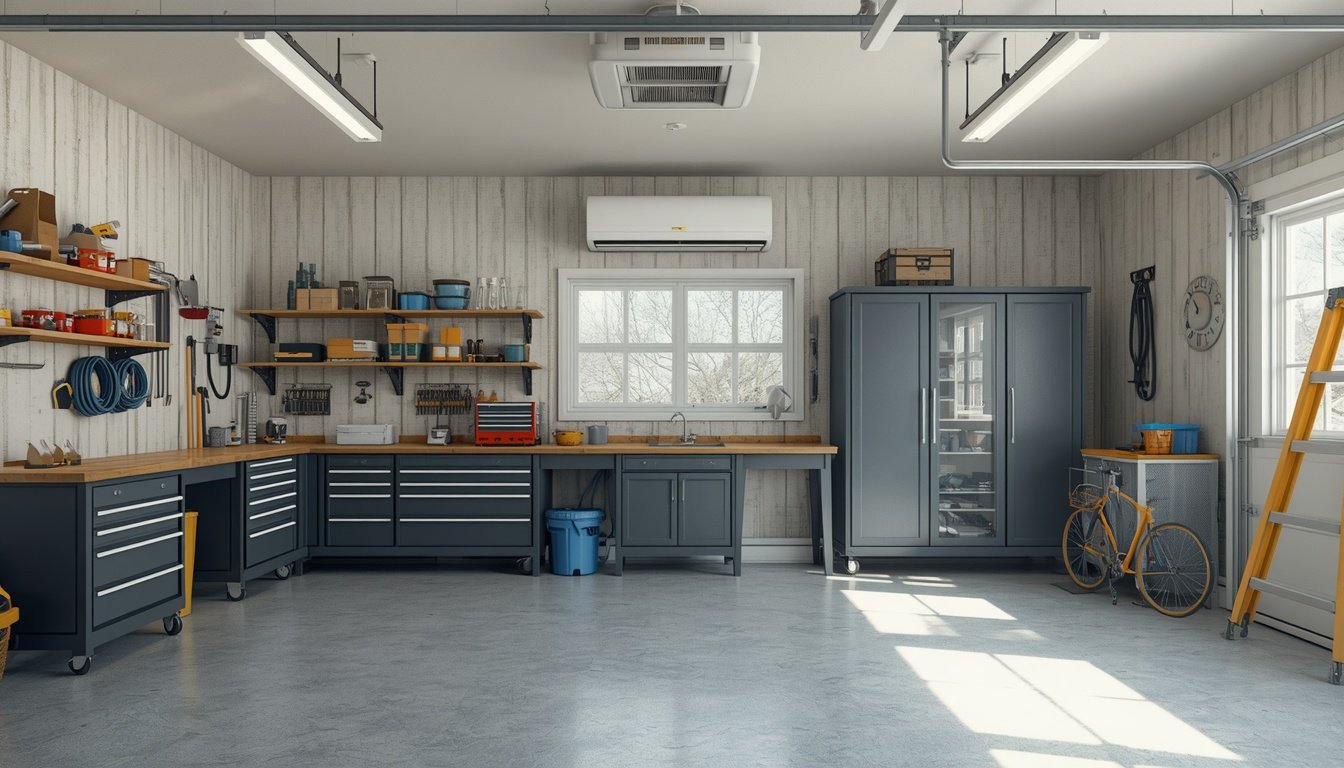
Mini split heat pumps both cool and heat a room, while ductless air conditioners only cool. This makes mini splits more versatile for year-round climate control. However, if you only need cooling, ductless air conditioners can be a simpler option. For homes in areas with cold winters, a modern mini split for cold climates can provide efficient heating even at low outdoor temperatures.
Understanding the differences between these two systems is essential for choosing the right fit for your needs and budget. In most cases, the decision depends on your climate, usage habits, and whether you want both heating and cooling in one system.
How Each System Works
Mini split heat pumps and ductless air conditioners are both ductless HVAC solutions. They consist of an outdoor compressor unit and one or more indoor air handler units. The main technical difference is the mini split’s ability to reverse its cycle, providing either heating or cooling as needed.
A mini split heat pump transfers heat energy between indoors and outdoors. In cooling mode, it behaves like an air conditioner, moving heat outside. In heating mode, it operates in reverse, pulling heat from outdoor air and bringing it inside—even when it feels cold outside. Technology advances allow some mini splits to perform well in winter conditions, especially when you select a mini split for cold climates.
Ductless air conditioners, on the other hand, can only cool. They’re great for supplemental cooling or when heating isn’t needed. These systems can be ideal for certain regions or climates, but limit flexibility when seasons change. For most users, understanding this operational distinction is key to making an informed choice.
Main Benefits of Mini Split Heat Pumps
- Year-round comfort via both heating and cooling
- Energy efficiency at a broad range of outdoor temperatures
- Potential for utility rebates and tax incentives
One of the strongest draws of a mini split heat pump is its versatility. Unlike a ductless air conditioner, it’s not limited to just cooling. Whether it’s summer or the depth of winter, a mini split heat pump can keep your indoor space comfortable.
Mini splits are also highly efficient, especially when compared to baseboard heaters or portable AC units. Some units achieve remarkable efficiency, even when the temperature drops well below freezing. Many government programs and utilities offer rebates or tax incentives if you install a high-efficiency heat pump, making them more accessible than before.
This combination of comfort, efficiency, and financial incentives make mini split heat pumps an attractive solution for anyone seeking a future-proof way to manage their home’s climate.
Where Ductless Air Conditioners Make Sense
Ductless air conditioners hit a sweet spot for certain users. If you live in a region with little to no need for heating—or you use another primary heat source—you may not need a heat pump’s more complex functionality.
These AC-only units tend to be simpler and typically cost less both to purchase and to install. Maintenance can also be a bit easier, as their mechanisms are dedicated to one job: cooling the air. For home additions, server rooms, workshops, or upstairs bedrooms that get too hot, ductless air conditioners provide quick, targeted relief without the need for ducts or major renovation.
An important limitation is their inability to provide heat. For anyone living in a four-season climate or who wants a single system for both heating and cooling, this is a major drawback. But for many, the simplicity, lower upfront cost, and reliable cooling make ductless air conditioners a perfect fit.
For a closer look at the cold-climate specs, installation requirements, and buyer fit, read our Senville AURA Series Mini Split review.
Cost Differences and Considerations
- Mini split heat pumps usually carry a higher upfront price tag
- Ductless air conditioners are often more affordable to install
- Operating costs vary based on system efficiency and usage patterns
Upfront costs vary widely depending on size, brand, and installation complexity. Mini split heat pumps, because of their dual-mode abilities and advanced components, tend to cost more than simple ductless air conditioners.
Installation of either system is less invasive than ducted systems. However, since heat pumps can operate in both directions, they require slightly more involved setup. Ductless air conditioners are often chosen for single-zone solutions due to their lower price tag.
When it comes to monthly bills, the efficiency of your chosen unit plays a big role. High-end mini splits are renowned for their low operating costs relative to output, especially during heating season. Weigh the initial costs against expected energy savings over several years to determine long-term value.
Choosing the Right System for Your Climate
Local climate is perhaps the most important factor when picking between these systems. If temperatures regularly drop below freezing in winter, you’ll appreciate the advanced heating capacities of a mini split heat pump. Residents in milder or consistently warm regions might prioritize simplicity and cost, making ductless air conditioners the smarter move.
Homes in mixed climates—hot summers and cold winters—greatly benefit from the year-round function of mini splits. Those living in apartment buildings or older homes without ductwork may find either type is a good fit, but should consider future needs before committing to a cooling-only system.
If you plan to stay in your home long term or want to maximize flexibility, a heat pump model may be worth the higher upfront expense. Ultimately, the right choice depends on your home’s insulation, existing HVAC, the size and orientation of your rooms, and your personal comfort goals.