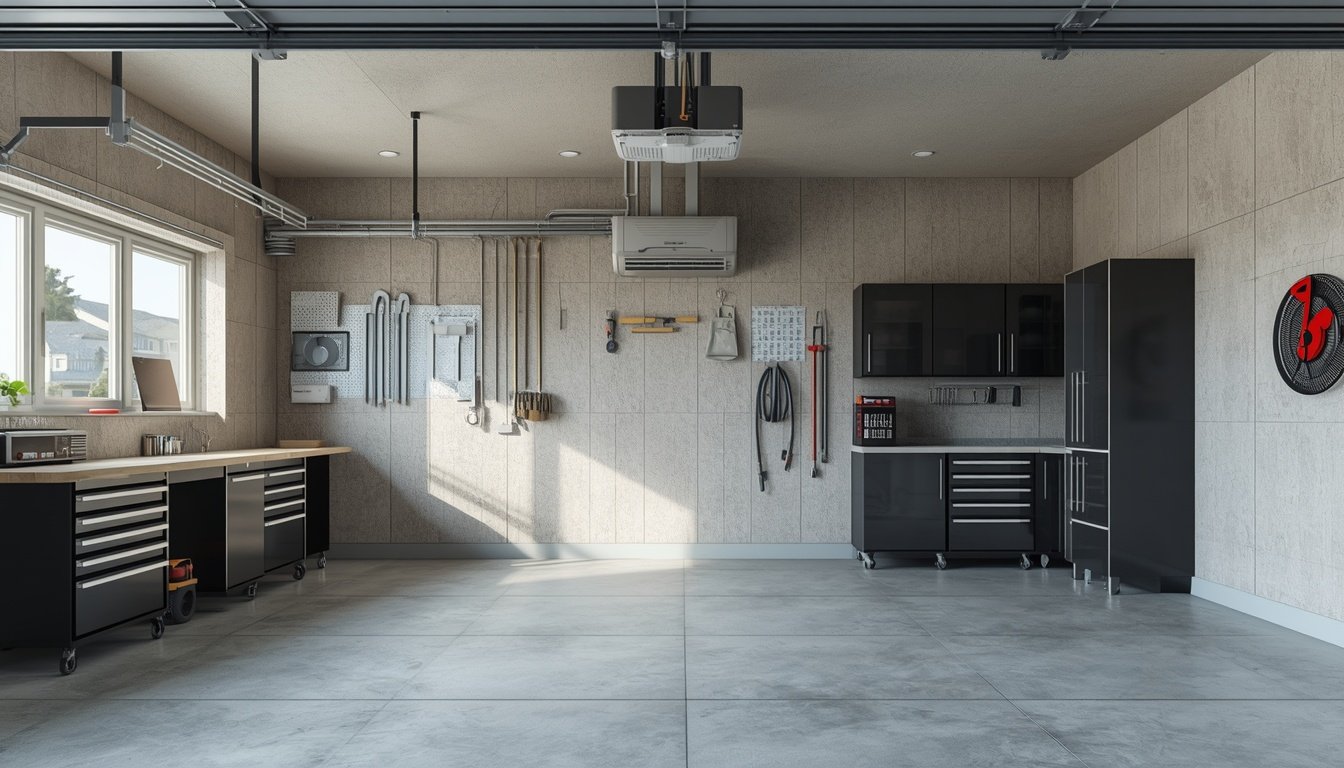
DIY mini split installation can save you significant money up front, but it also comes with hidden risks and long-term tradeoffs. Professional installation gives peace of mind and often extends the system’s lifespan, but at a higher immediate cost. The decision should take into account your comfort with technical tasks, the specific requirements of your home, and the importance of warranty coverage. If you’re weighing the options, it’s essential to think about not only potential savings but also the bigger picture of performance, reliability, and code compliance. Factors like local regulations and long-term value are as critical as the initial price tag. If cost is a top concern, it’s also useful to get a sense of average mini split installation cost before deciding between DIY and professional help.
Understanding the DIY Mini Split Approach
Many homeowners consider DIY because mini split systems are marketed for easier installation compared to traditional HVAC units. Pre-charged line sets, compact indoor units, and accessible instructions make the process seem straightforward. You may find numerous online guides and video tutorials offering step-by-step walkthroughs.
However, installing a mini split is more involved than typical home improvement projects. Even with “DIY-friendly” kits, tasks like running refrigerant lines, electrical connections, and mounting units demand precision. Mistakes during installation can lead to leaks or poor system performance.
Safety is also a concern. High-voltage wiring, refrigerant handling, and drilling through walls all carry risks. A DIY installation may void the equipment’s warranty if not performed to manufacturer specifications. This could cost more in repairs or replacements later.
For those with experience in electrical work and basic HVAC concepts, DIY can be an appealing challenge. Still, it’s important to consider the possibility of troubleshooting unforeseen problems, sourcing specialized tools, and the pressure of getting every detail right the first time.
What Professional Installation Offers
Professional installation typically means hiring licensed HVAC contractors who follow local codes and manufacturer guidelines. This not only reduces the risk of errors but also ensures the system operates at maximum efficiency.
Contractors handle every step, from sizing the unit to suit your home’s needs, to securing necessary permits. They use specialized vacuum pumps and manifold gauges to properly charge and test the system. Small mistakes—such as incorrectly tightened fittings—are detected and corrected before becoming expensive problems down the road.
Most manufacturers require professional installation as a condition of their warranties. Skipping this can leave you unprotected if a component fails. In addition, professionals often provide a labor warranty to cover issues arising from installation.
Professionally installed systems usually pass inspections for safety and local code compliance. This protects you during home resale or insurance claims. While the upfront investment is higher, you gain peace of mind and often long-term savings through reliable performance and fewer repairs.
Three Key Advantages of DIY Installation
- Lower upfront installation costs
- Immediate project schedule control
- Potential for personal learning and satisfaction
The appeal of DIY installation comes down to more than just saving money. Skipping professional labor can dramatically reduce your overall expense, especially if you’re comfortable with home projects. You’re not dependent on contractor schedules or busy season wait times, which means you can plan and execute the job on your own timeline.
For many, there’s satisfaction in mastering a challenging project. The learning process can add to your home improvement skills. However, lower up-front costs must be weighed against the possible lack of warranty protection and the risk of errors.
It’s best for homeowners with a strong DIY background, good problem-solving skills, and some knowledge of HVAC or electrical work. If these advantages align with your situation, DIY may be worth a closer look, provided you’re aware of the possible complications.
Why Professional Help Might Be Worth It
- Preserves manufacturer and labor warranties
- Ensures compliance with local codes and permits
- Reduces chances of costly mistakes or safety hazards
The benefits of hiring a professional reach beyond the installation day. Warranty coverage can save you hundreds or even thousands if something goes wrong down the line. Professional installers are equipped to secure permits and meet local building codes—an often-overlooked aspect that can create issues if you sell your home or face an insurance claim.
HVAC contractors are trained to handle refrigerants, which are regulated substances. Improper handling can result in environmental fines or health risks. Also, poor installation can cause increased energy use, subpar comfort, or equipment breakdown. Factoring these risks against the added expense can clarify why so many homeowners ultimately opt for professional help, especially with whole-home or heavy-duty climate control systems.
Long-Term Performance and Maintenance Considerations
When weighing DIY against professional installation, it’s easy to overlook long-term performance. A system that’s installed with perfect refrigerant charge, leak testing, and securely sealed connections will generally operate more efficiently and last longer.
Poorly charged systems can lead to short cycling, higher utility bills, and faster wear on components. Even small leaks may go undetected in a DIY job, gradually causing significant damage. Many professional installers advise on proper filter replacement, cleaning routines, and annual servicing to ensure reliable operation for years.
Pro installations often include an evaluation of your home’s insulation and airflow design to optimize comfort. If you’re not confident in your technical abilities, small errors during DIY installation can quickly add up in both cost and inconvenience over time.
Choosing the right approach should include a realistic assessment of your willingness and ability to handle maintenance tasks—or to hire them out—as part of system ownership. Professional support can simplify long-term upkeep and prevent minor issues from becoming major headaches.
Making the Right Choice for Your Home
There’s no one-size-fits-all answer for every homeowner. Start by thinking about your budget, comfort level with technical tasks, and willingness to spend time troubleshooting. If cost is the only concern, get multiple quotes and check the latest mini split installation cost comparables to set your expectations realistically.
Consider local codes and permit requirements. Some regions require licensed installers for refrigerant work or connection to electrical panels. These rules may make DIY inaccessible regardless of skill.
Finally, look at your long-term goals. Are you planning to stay in this home for many years? Do you need reliability for extreme heat or cold? Factor in the benefits of warranties and safety that professional installation may provide.
By weighing both the immediate and future impacts, you can make an informed decision that fits your household’s needs. The most cost-effective solution depends not just on price, but on peace of mind and comfort for years to come.