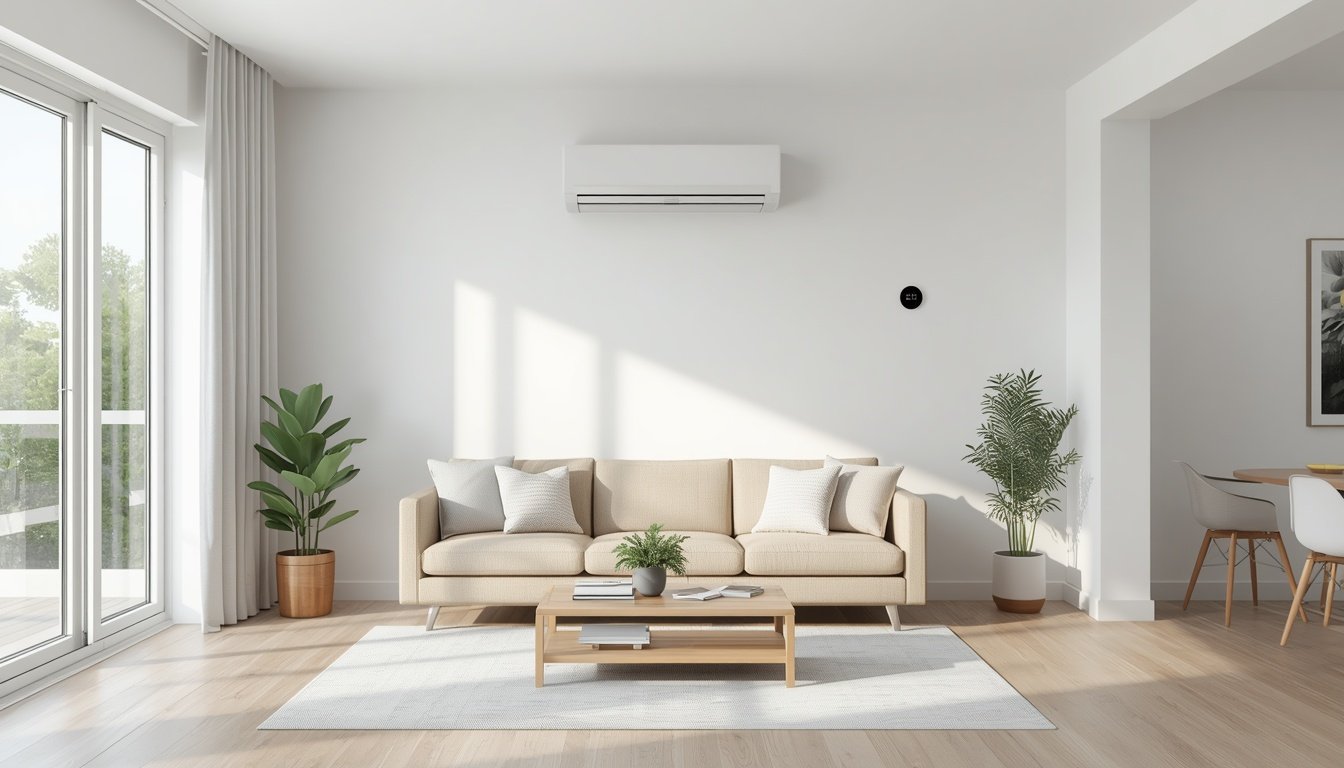
A whole-house energy audit is a professional assessment that examines your home’s energy use to reveal where energy is wasted and how to improve efficiency. If your energy bills are unusually high, if your home comfort varies between rooms, or before making major upgrades like a new HVAC system, you need an energy audit. It gives direct answers about what to fix first, helping you prioritize the most cost-effective improvements.
How a Whole-House Energy Audit Works
An energy audit involves a thorough inspection of your home’s building envelope, heating and cooling systems, insulation, and electrical use. Auditors often use specialized tools like blower doors to test air leaks, infrared cameras to spot hidden insulation gaps, and HVAC testing equipment. These tests help pinpoint where conditioned air is escaping and where outside air infiltrates.
The audit typically starts with a walk-through, discussing your energy concerns and reviewing utility bills. Next, each room is checked for drafts, moisture problems, and uneven temperatures. The auditor also inspects the attic, basement, and crawl spaces for insulation issues.
After the testing, you’ll receive a detailed report highlighting efficiency problems, projected savings from upgrades, and a prioritized list of recommended improvements. This process ensures upgrades—whether simple weatherstripping or a full whole-home climate control upgrade—are targeted and effective, rather than guesswork.
When and Why You Need an Energy Audit
You should consider an energy audit when your utility bills suddenly spike without obvious cause, or when parts of your home consistently feel too hot or too cold. It’s also wise to audit before replacing or upgrading HVAC systems, windows, or insulation. New homeowners often benefit as well, uncovering hidden issues in a recently purchased home.
If your home is over 10 years old, it likely wasn’t built with today’s energy efficiency standards in mind. An audit can uncover aging insulation, leaking ductwork, or outdated windows that drive up costs. Additionally, anyone seeking rebates or financing for energy-efficient upgrades may be required to show audit results.
By investing in a whole-house audit, you ensure that any money spent on improvements delivers the best return. You avoid spending on unnecessary upgrades and instead focus on proven ways to make your home more comfortable and efficient.
Key Benefits of a Professional Energy Audit
- Identifies specific sources of energy waste, not just symptoms.
- Recommends prioritized improvements with estimated cost savings.
- Enables bigger comfort gains and lower utility bills.
- Helps qualify for rebates or financial incentives.
- Guides planning for long-term home upgrades.
A professional audit delivers actionable insights—more than a DIY inspection or online calculator can provide. With a comprehensive report, you’ll know what steps have immediate payback and which are best for major projects. This approach supports smart planning, effective budgeting, and greater confidence as you invest in your home’s future comfort and efficiency.