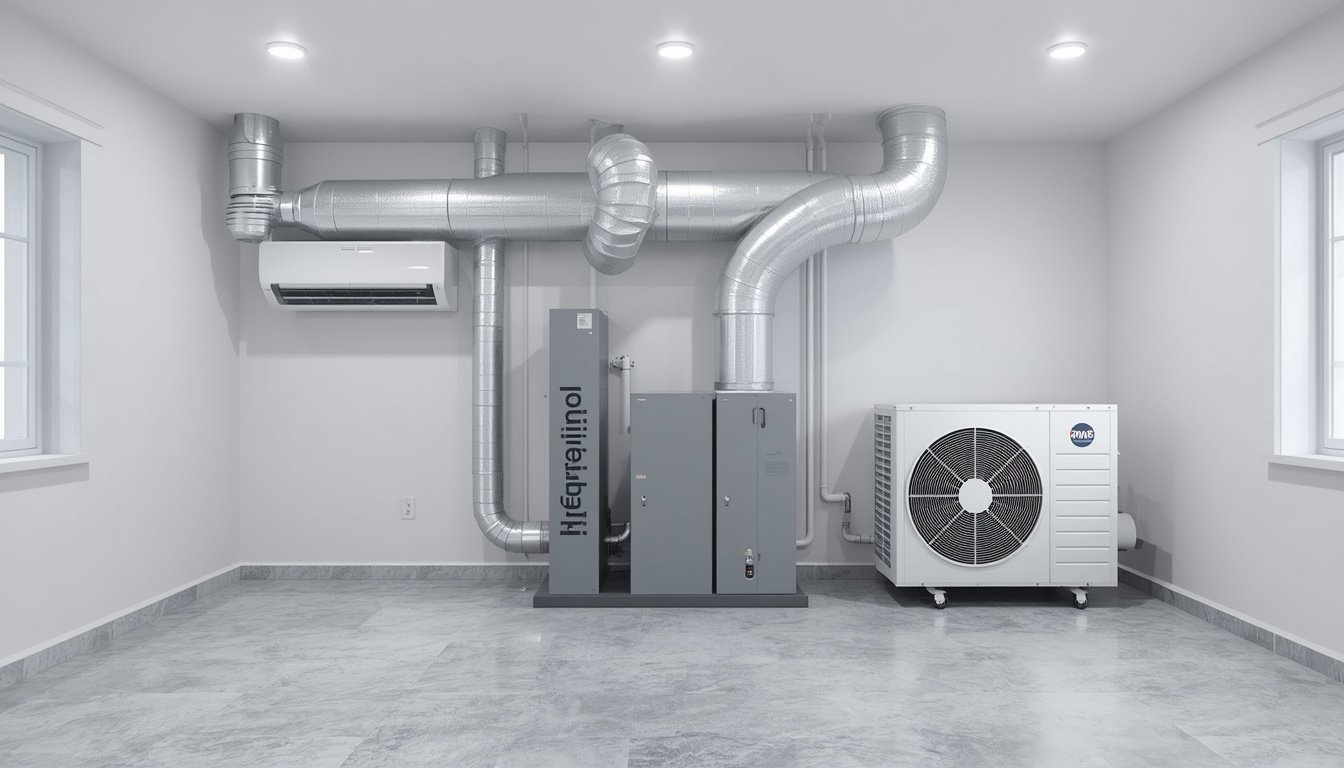
Choosing the right installation requirements for ERV (Energy Recovery Ventilator) and HRV (Heat Recovery Ventilator) systems ensures your indoor air stays fresh and your home operates efficiently. The essential factors are compatibility with your home, code compliance, and proper sizing. Paying attention to these details helps prevent common installation mistakes and leads to better long-term performance.
Why It Matters
ERVs and HRVs can only provide effective ventilation if they are installed according to specific requirements. A poor installation can lead to inadequate airflow, energy losses, or moisture problems. The correct installation process protects both your indoor air quality and your home’s structure, especially in climates where humidity and temperature extremes are common.
Additionally, most local building codes require ventilation systems to meet certain standards. Ignoring these rules can put your home at risk of failing inspections or experiencing preventable damage. Working with certified installers and understanding your home’s unique demands is the first step toward reliable, healthy ventilation.
Most Important Features to Prioritise
When planning for an ERV or HRV installation, focus on the features and logistics that will have the biggest impact on how well the system works in your space. It’s not just about the equipment—placement and integration are just as important as the unit itself.
- Sizing and Airflow Rates: Select a system with the correct capacity for your home’s square footage and occupancy, avoiding under-ventilation or wasted energy.
- Location of Intake and Exhaust Vents: Proper vent placement avoids recirculating contaminants and keeps airflow balanced between indoors and outdoors.
- Ductwork Design and Quality: Well-sealed and insulated ducts matter for efficiency, quiet operation, and preventing air leaks or condensation problems.
- Drainage and Condensate Management: Systems must have appropriate drainage to prevent mold and moisture issues around the unit.
- Control Integration: Systems should be compatible with existing HVAC controls and thermostats for seamless operation and monitoring.
Prioritising these features during installation will ensure optimal performance and longevity from your ERV or HRV. Skilled installers will size the unit precisely, plan duct runs, and verify that each vent serves the right zone in your home. Investing upfront in the right setup can help you avoid persistent noise, drafts, or maintenance headaches down the road.
Features That Matter Less for Most People
Many installation guides highlight optional add-ons and specialty upgrades. While these extras can be appealing, most are not essential for effective ERV or HRV operation in a standard home environment.
Accessories such as advanced digital controls, zoned damper systems, or decorative vent covers may increase installation costs but offer limited performance gains for most people. Likewise, while high-end filter upgrades can be a plus in homes with significant allergy sensitivities, standard filters are typically sufficient for average households when replaced routinely.
It’s helpful to separate true functional requirements from the “nice-to-have” features that don’t significantly improve air quality or system efficiency. By focusing on essentials, most homeowners can keep costs reasonable and streamline the decision process.
How to Match Features to Your Situation
Your home’s layout, local climate, and occupancy patterns all influence which ERV or HRV installation features are necessary. Start by considering your square footage and whether spaces like basements or attics require additional airflow. Homes in humid climates often benefit from ERV systems that can better handle moisture transfer, while colder locations might prioritise HRV technology to protect against heat loss.
If you’re upgrading an older home, check whether existing ductwork can be reused or if a full redesign is needed. In new constructions, coordinate early with builders to plan discrete vent placements and avoid later remodeling. Multifamily residences or homes with unique floor plans may also need more advanced zoning approaches to achieve balanced ventilation.
For those seeking to understand how installation choices affect product selection, exploring guidance on different system types and capacities can clarify the options. More detailed advice on finding the best whole-house ventilation system for your needs is also available for those comparing multiple solutions. This is especially relevant if you hope to future-proof your ventilation against changing household needs or planned renovations.
Final Thoughts
Effective ERV and HRV installation hinges on correct sizing, smart duct layout, and compliance with building codes. Minor choices like filter types and control panels can be secondary unless your circumstances demand a more specialised setup.
Before committing to a system or installer, familiarise yourself with the specific requirements for your home and climate. This preparation helps ensure a healthier, more comfortable environment, with fewer maintenance issues over time. If you’re unsure, a skilled professional can help interpret your options and explain how installation choices influence day-to-day performance and long-term savings.