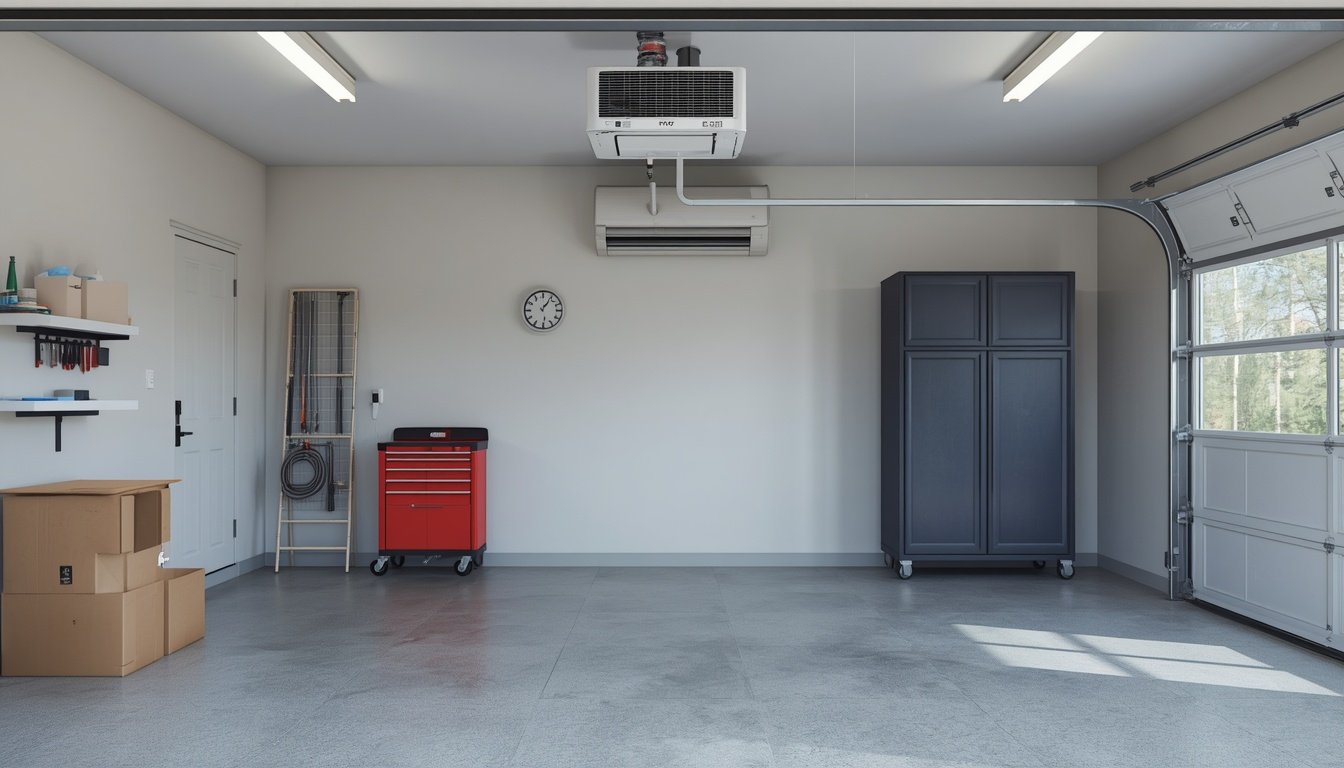
If you’re deciding between a 45,000 and 75,000 BTU garage heater, the key difference is their heating power and the spaces they’re built for. A 45,000 BTU heater works well for standard two- or three-car garages (around 700–1,100 sq ft) in mild climates or for moderate use. To reliably heat a large, well-insulated garage in cold regions—especially if you use your space often—a 75,000 BTU heater is the better choice. This decision comes down to your garage’s size, insulation, and local winter temperatures.
How Garage Size and Insulation Affect Your Choice
The size and insulation of your garage play the most critical roles when selecting the right heater. For spaces under 1,100 square feet with decent insulation, a 45,000 BTU unit is often enough to maintain comfort, especially if winter temperatures stay above freezing. This size can warm up the air quickly and efficiently without excessive fuel use. However, if your garage is larger—up to 1,500 square feet—or your insulation is lacking, a 75,000 BTU heater delivers the extra punch needed to reach your desired temperature.
Poor insulation means more heat escapes, making it harder for a lower BTU heater to keep up. If you frequently open your garage doors, or if you use it as a workshop where warmth matters, the higher BTU model becomes much more attractive. Always factor in local climate zones: harsher winters demand more heating output to avoid uncomfortable cold spots.
Efficiency, Fuel Costs, and Installation Considerations
Choosing between 45,000 and 75,000 BTU also affects your fuel usage and potential installation costs. The larger heater consumes more energy per hour but heats up the space much faster. If you only need to take the chill off occasionally, the smaller model saves on both fuel and up-front expenses. The 45,000 BTU heater typically requires less complex venting and a smaller gas line, potentially making professional installation more affordable.
However, if you’re constantly fighting cold or working on projects year-round, the operating cost difference becomes less significant compared to comfort. It’s also important to ensure your building’s gas supply and electrical wiring can handle a bigger unit. Oversizing can lead to short cycling (frequent on/off), slightly reducing efficiency, though this is less of an issue in truly cold or under-insulated spaces.
- 45,000 BTU heaters suit 2- to 3-car garages in mild climates
- 75,000 BTU heaters are best for oversized or poorly insulated garages
- Fuel usage increases with higher BTU—but so does heating speed
- Proper sizing avoids waste and ensures consistent comfort
Keep in mind, matching BTU output closely to your actual heating needs is crucial. Both underpowered and overpowered units can lead to uneven warmth or excessive costs. Always consider your garage’s usage patterns—quick tools storage versus daily project work makes a difference in how much heat output is justified.
When to Go Bigger—and When Not To
Opt for a 75,000 BTU heater if your garage exceeds 1,100 square feet, has high ceilings, poor insulation, or you’re working in a northern climate where temperatures routinely drop below freezing. These situations create greater heat loss, which smaller heaters struggle to compensate for. If you use your garage as a hobby workshop or run multiple tools regularly, the higher output helps you maintain steady warmth, even with doors opening frequently.
On the other hand, for average-sized, well-insulated garages in moderate climates, a 45,000 BTU model offers plenty of heating power without extra cost or fuel consumption. Oversizing isn’t always better—it can cause the heater to cycle on and off rapidly, leading to wear and slight inefficiency. In all cases, review your garage’s specifications and consult sizing guides before purchase to avoid costly mistakes. For more details on which units fit your space, review this guide to finding the right high-BTU garage heater for detailed recommendations.